





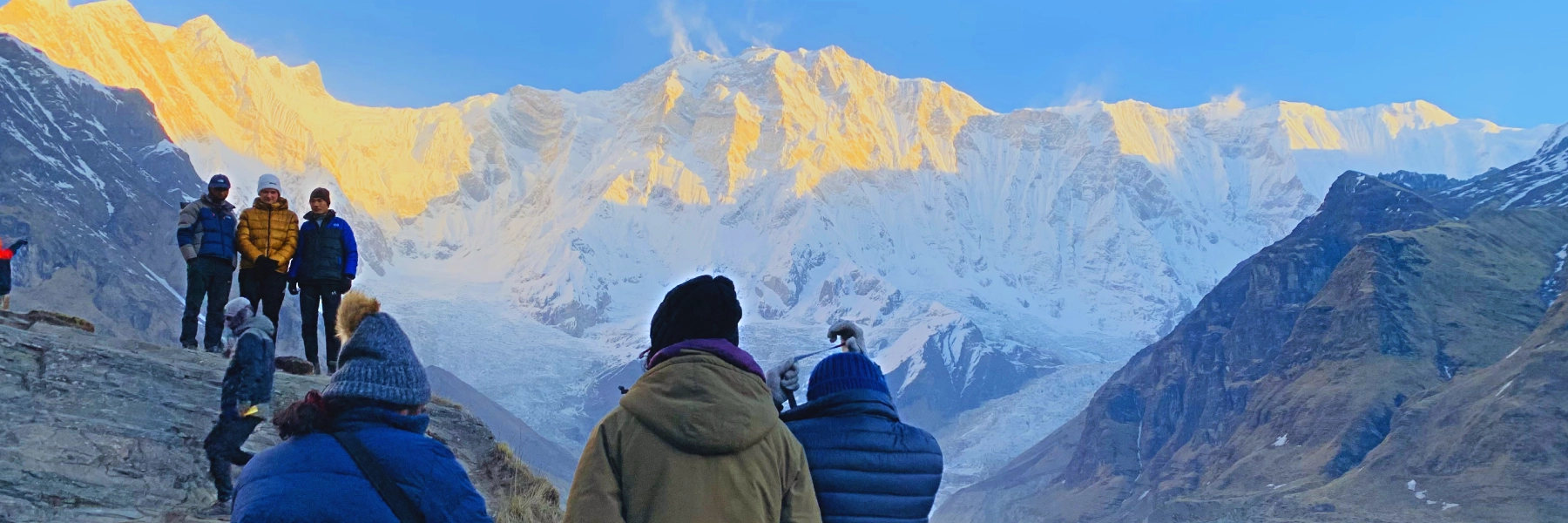

The Annapurna Base Camp (ABC) trek is usually considered to be moderately difficult with a pleasant balance of adventure and accessibility. Though it does present some challenges like steep slopes, high altitude and erratic climatic conditions it is not an impossible feat for beginners or the inexperienced.
The Annapurna Base Camp trek difficulty requires a moderate amount of fitness and some trekking experience. But with correct planning, acclimatization and attitude management, even amateurs can quite easily complete it. The key to this is pacing yourself, sufficient hydration and keeping an eye on your body’s limitations during the process.
Despite the challenges, the benefits of the Annapurna Base Camp trek are well worth it. You can enjoy a stunning panorama of the Himalayas such as Annapurna, Machapuchare, Gangapurna, Hiunchuli, Tent Peak and many more. Likewise, you are able to walk through diverse and contrasting terrains that range from dense forests to alpine grasslands.
The trek also offers a rich experience of exposure to mountain village culture and people, thereby making the experience more fulfilling. These enthralling vistas and the cultural experience make every grueling step worthwhile. The memories that are created during the process compel many to visit the Himalayas time and again.
In order to take maximum benefit of the adventure mountain experience, trekking enthusiasts need to get their bodies and minds ready. Building cardiovascular stamina, strength and flexibility before the trek will help to handle the workload. Likewise, a strong mental fortitude and the knowledge of altitude risks and acclimatization techniques will prevent severe health setbacks. Pre-planning gear, weather monitoring and setting a realistic pace make the trip easier.
Finally, accepting the adversity with proper preparation enables you to have the full appreciation of the beauty, tranquility and adventure that the Annapurna Base Camp trek has to offer.
Understanding the Difficulty Level of Annapurna Base Camp Trek
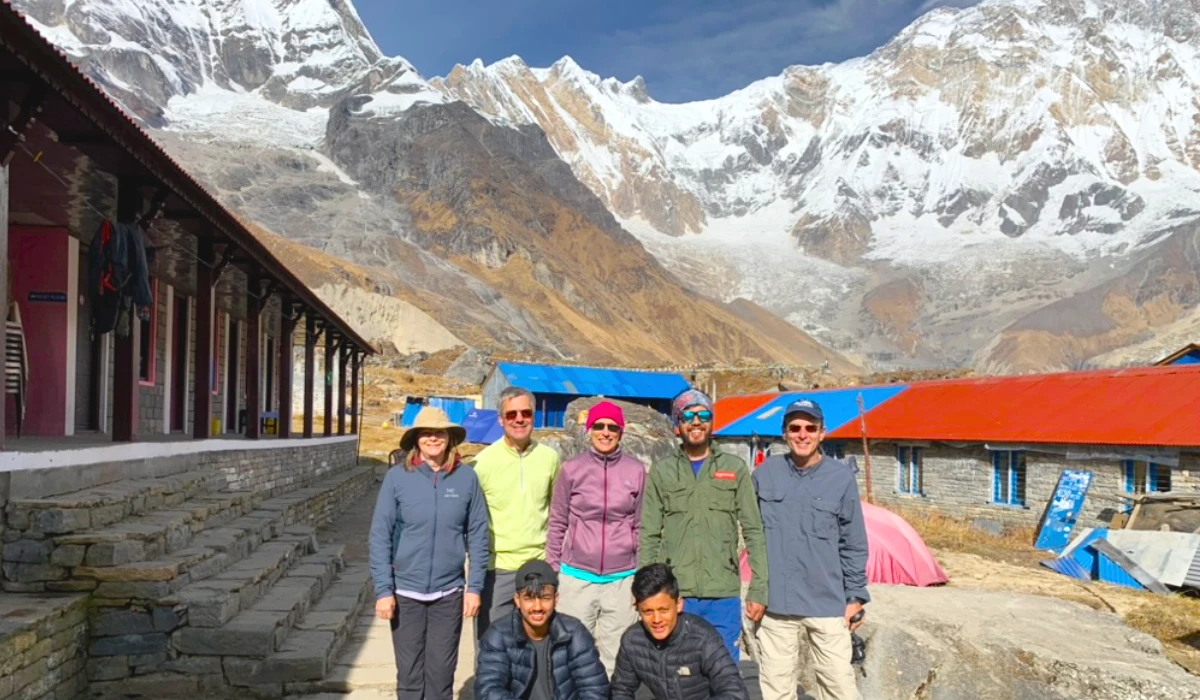
Annapurna Base Camp Trek difficulty level usually ranges from easy to moderately challenging. The trek is not a technical climb but requires a proper level of physical fitness. This is due to the long walking days, altitude gain and fluctuating trail conditions. The trek typically entails 4 to 7 walking hours per day on irregular ground. There are several steep up and down climbs, rocky terrain and sometimes slippery or muddy trails, subject to seasonal variation.
So, basically, the ABC trek is suitable for the majority of trekking lovers with a sound fitness base and some prior experience in hiking. Though it involves a certain level of physical exertion, it is not labeled as very strenuous or extreme compared to other Himalayan treks like Everest Base Camp or Annapurna Circuit.
The greatest challenge, most probably, is the constant effort for a few days and coping with the altitude. But the trek is accessible to those who are willing to train hard. It is perfect if you are seeking a worthwhile Himalayan experience that will challenge your endurance and spirit but not necessarily require expert climbing skills or first-rate physical condition. Appropriate preparation in terms of fitness and acclimatization to risk factors at altitude will make the trek feasible and highly enjoyable.
Annapurna Base Camp Trek Distance
The Annapurna Base Camp trek is some 70 to 110 kilometers round-trip, depending on the route. Most hikers cover the distance in 7 to 12 days, walking 4 to 7 hours per day. Though the distance itself is not extremely long relative to some Himalayan treks that take multi-weeks, it becomes important when added to the difficult terrain and changes in elevation.
Covering this distance demands proper endurance and strength for consecutive days. It can be a demanding physical activity, especially for those who are not accustomed to long hours of walking. The variation in the height of the route with repeated ascents and descents causes excessive physical fatigue. The long distance also requires good planning in terms of pacing, rest days and management of supplies which all add to the harshness of the trek.
With proper preparation such as progressive acclimatization to build endurance, carefully planned rest periods and adequate equipment, you can cope with the distance very comfortably. If approached with the right attitude and the necessary physical fitness, the length of the trek becomes a rewarding experience by means of some of the most stunning mountain scenery in the world.
Annapurna Base Camp Altitude Sickness Risk
Annapurna Base Camp altitude in feet is approximately 13,550. At this height, the chance of altitude sickness or Acute Mountain Sickness (AMS) occurrence is very high. AMS arises when the body cannot cope with lower oxygen levels at higher elevations. Headache, nausea, dizziness, fatigue and shortness of breath are the common symptoms. While the threat of severe altitude illness is lower on the ABC trek than on more elevated Himalayan expeditions, the risks cannot be neglected.
The Annapurna Base Camp altitude in meters is 4,130. One of the main causes that can lead to altitude sickness is the steep rise profile within only a few days. The body must allow time to become acclimatized to low levels of oxygen and ascending too high, too quickly will increase the risk of altitude sickness.
Trekkers will experience their first symptoms between 2,500 and 3,000 meters, so rest days and gradual altitude gain need to be built into the itinerary. Being well-hydrated, avoiding alcohol, sensible eating and paying attention to your body’s signals are integral steps to avoid and deal with AMS on the trek.
The altitude illness is a treatable condition with care. Our guides emphasize steady and gradual ascents and instruct you to pay attention to early warning signs. Descending to lower altitudes is the best remedy for more serious cases.
By keeping acclimatization in mind, following the guidance of professionals and taking proper care of your health, you can bring altitude sickness down to a bare minimum. You can fully enjoy the stunning vistas and have the rich cultural experiences the Annapurna Base Camp trek has in store.
Annapurna Base Camp Trek Difficulty – Weather Challenges and Seasonal Variations
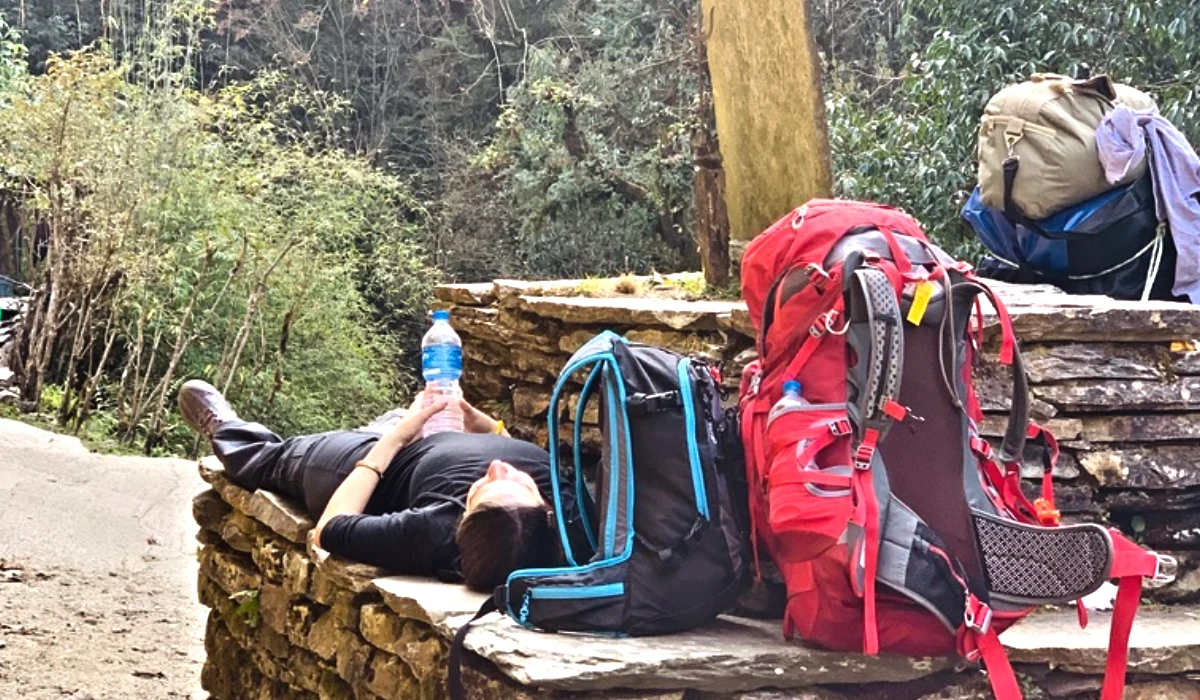
Annapurna Base Camp trek difficulty is hugely influenced by the extreme climate of the region, which changes in no time. The trek crosses a variety of climatic zones from subtropical forests in the lower stretches to the alpine valleys at the base camp.
This translates to trekkers having to adapt to sudden changes in weather within a day, ranging from extreme sun exposure, abrupt rainstorms, gusts of wind and low temperatures.
All this unpredictability can turn trekking into a physically demanding and mentally challenging experience. Likewise, the right outfitting and equipment are needed to adapt to changes and not feel uncomfortable or suffer from hypothermia.
Seasonal variations also influence the trekking experience, typically deciding when the trek is most feasible and comfortable. The two main trekking seasons are spring and autumn which both offer crystal-clear skies, stable weather and bearable temperatures that make the journey safer and pleasurable.
However, during the monsoon season, the trek is much more arduous with heavy rain, muddy trails, leeches and common landslides that increase the risk of accidents and delay the journey. Similarly, winter is cold and may get snowfall, particularly above 3,000 meters and trekkers need to be well equipped for frigid weather and possible trail blockades.
Dealing with such weather conditions needs careful planning, flexibility and perseverance. You must update on weather forecasts, pack proper layered equipment and be ready to change schedules based on the weather. An understanding of the seasonal variations helps in selecting the best trekking time, preventing hazards and ensuring overall safety and pleasure.
Annapurna Base Camp Trek Difficulty – Rugged Trail and Terrain
The ABC trek features a diverse and wild geographical landscape. The trail passes through a variety of terrain. You will start with an easy foothill path and gradually climb through dense rhododendron woods and steep stone staircases to finally reach alpine moorlands and knife-like ridges.
The greater the elevation, the more rugged and demanding the region becomes with extensive stretches of irregular, rocky paths and sequences of delicate footwork. Compared to flat or gentle ground, the rough up and down nature of the path necessitates greater effort, particularly for ankles and knees.
The most challenging aspect of the ABC trail might be the series of stone steps especially between villages like Ulleri, Chhomrong and Sinuwa. Over several hundred meters long staircases require solid leg endurance, balance and strength.
Stairs and trails are likely to be covered with moss and mud during the monsoon months, increasing the risk of slips and falls. Likewise, ice and snow layer the trail during winter making it even more dangerous. Besides, river and ravine bridges that are narrow and high in certain sections demand caution and composure.
If you are aware of and prepared for such mountainous terrain, you will discover that the challenge will only add to the sense of achievement and make the arrival at Annapurna Base Camp all the more rewarding.
Annapurna Base Camp Trek Difficulty – Remote Location and Limited Connectivity
The trek to Annapurna Base Camp follows isolated trails through the Annapurna Conservation Area, a distant and remote region of the Nepalese Himalayas. This adds another level of challenge to the journey as you will be in the wilderness areas that are far away from the city’s luxuries.
You must be ready for long stretches where the use of modern facilities and access to medical treatment is limited or difficult. The villages that are found along the route of ABC are few with small numbers of people and most of them lack stable infrastructure. This would mean you should be self sufficient and able to handle things as they come.
The lack of good network coverage in the Annapurna region poses some challenges for modern trekkers used to being online and connected. The cellular network is either patchy or entirely lost in most of the trail, especially in more remote and higher sections. It may become harder to manage logistics, view real time weather or call for assistance if needed.
In addition, the scarcity of electricity makes charging devices difficult and the only way is to use power banks or solar panels. This adds to the difficulty of the hike, since the majority of individuals are used to technology both for functional purposes and safety.
On the other hand, the isolation also contributes to the uniqueness of the Annapurna Base Camp trek. Being cut off from the outside world offers you a chance to enjoy nature and the local community in depth. The idea of being in a remote area with no high tech comforts and connectivity is all part of the genuine and pleasurable mountain experience.
Annapurna Base Camp Trek Difficulties – Mental and Emotional Challenges
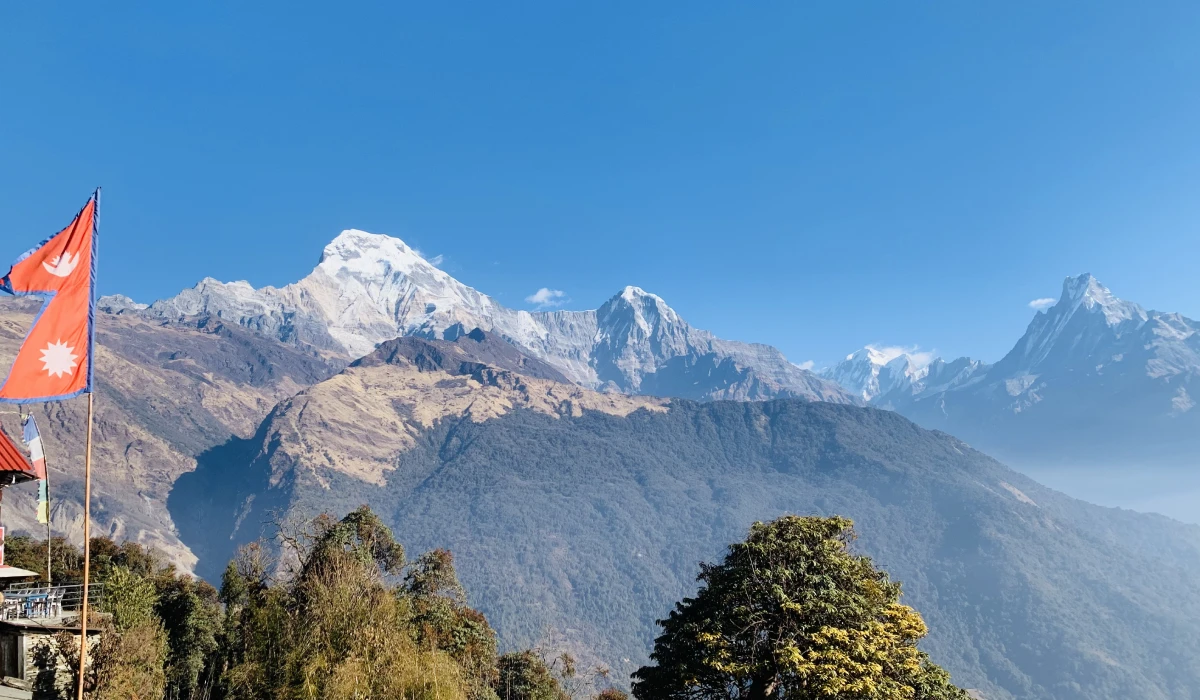
A trek to Annapurna Base Camp demands intense physical and emotional resilience. The long walks, harsh weather and shifting altitudes can take you out of your comfort zone. It requires inner strength and mental courage to continue particularly when the destination appears so distant and every step is a challenge in itself.
Emotional challenges pile up due to the isolation and lack of a homely atmosphere. Poor internet or mobile network connection disconnects you from your family or friends. This can bring about anxiety or a sense of vulnerability particularly for solo trekkers.
Being surrounded by massive, unfamiliar scenery and trekkers from other parts of the world can be intimidating. Besides, the unpredictable mountain weather turning bad with little notice, changes in itinerary or minor illness can make even the confident trekkers emotionally lost.
But it’s the overcoming of those mental and emotional challenges that is what makes the Annapurna Base Camp trek so enriching. You discover strength you never knew you had, patience and a newfound appreciation of nature and of yourself.
How to Prepare for Annapurna Base Camp Trek Difficulties?
Physical Fitness
The hike has prolonged walking days (5–7 hours) on rugged stone steps, uneven terrain and high altitudes. Without minimum cardiovascular fitness and leg strength, exhaustion can creep up rapidly. Begin training at least 4 to 6 weeks prior, focusing on:
- Hiking or backpack walking
- Stair climbing and leg strengthening exercises
- Cardio exercise such as running, cycling or swimming
This builds the stamina required to deal with elevation gain and rough ground.
Mental Preparation
The ABC trek may prove mentally challenging due to limited access, simple accommodations and abrupt changes in weather or plans. In order to mentally prepare:
- Acknowledge discomfort as an aspect of the wilderness mountain experience
- Cold showers, plain food and simple teahouses are part of the journey
- Develop patience and flexibility
- Practice mindfulness
- Establish realistic goals
Adjusting to Altitude and Weather Extremes
Altitude sickness starts occurring at 2,500 meters or more and ABC is at 4,130 meters. While not actually high, rapid gain in altitude is still risky. And the weather can change rapidly, too, with rain, snow or cold. So,
- Plan a gradual ascent and have at least one day of acclimatization
- Stay hydrated, do not consume alcohol and listen to your body
- Pack for every possible weather
- Carry the essentials: down jacket, rain guard, layering pieces, gloves and good-quality hiking boots.
Logistical Preparation for ABC Trek Difficulty
Because the Annapurna region is rural, you cannot expect to enjoy modern comforts once you are on the trail. There’s restricted internet access, transport options are few and basic services like ATMs, pharmacies and gear shops are limited or non existent. This necessitates a comprehensive logistic planning for a smoother, safer and more pleasant trekking experience. Here’s what to keep in mind:
- Book teahouses in advance, especially during the peak trekking season (spring and autumn)
- Keep your permits on you at all times. Officials may check these at many checkpoints along the way.
- Carry enough Nepali rupees since there are no ATMs beyond Pokhara and credit cards are not easily accepted.
- Carry required medicines, e.g., altitude sickness tablets, painkillers and medication for gastrointestinal upsets, since pharmacies are scarce along the trek. A basic first aid kit is essential.
- Pack snacks with high calories to accompany teahouse meals at higher elevations that may lack nutrient content.
- Carry a power bank or solar charger to charge phones and devices as electricity at teahouses may be limited or hourly charged.
- Download offline maps in advance because mobile connectivity is weak or nonexistent in most places.
- Hire a porter or guide for added comfort and security.