





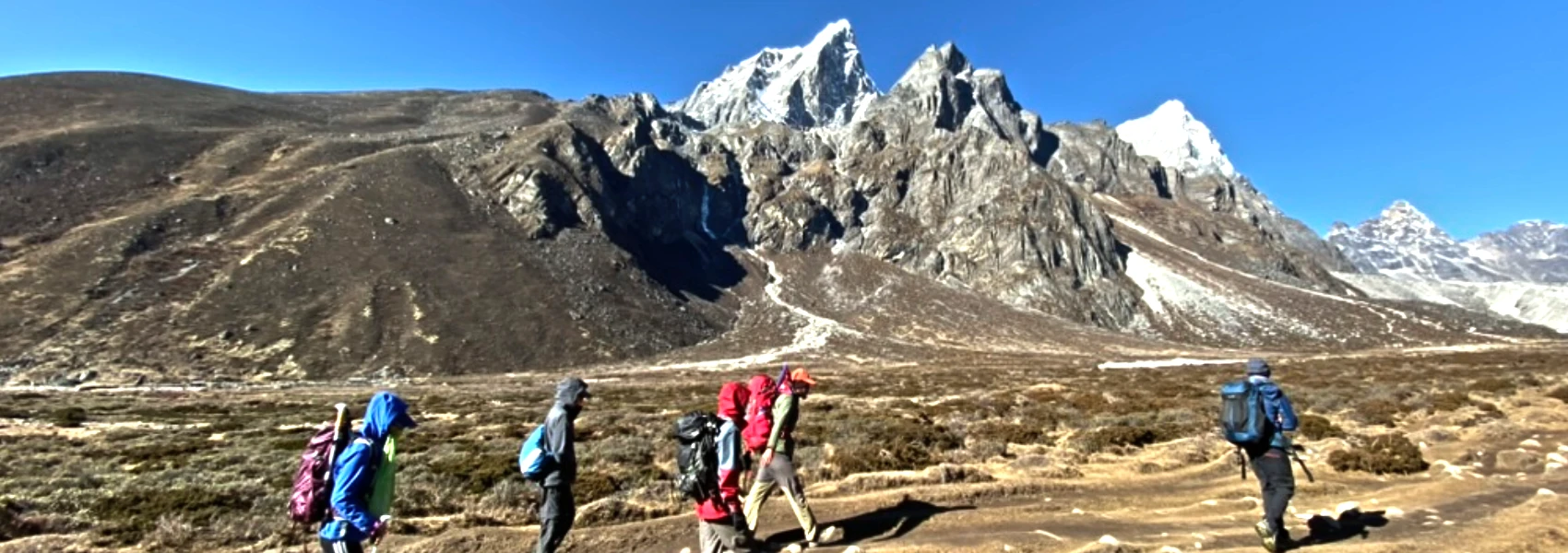

Nepal Himalaya trek is everyone’s dream and being at the right time is all about making all the difference in what you experience. Autumn and spring are the ideal seasons for mountain trekking. They offer the most stable weather conditions, clear skies and moderate temperatures which make the journey not only scenic but also safe.
Autumn follows the monsoon, so the air is crisp, the sky is clear and the mountains are seen in stunning detail. Spring equates to rhododendrons in bloom and verdant foliage, splashing colour on the trails and creating an entrancing contrast to snow-clad Himalayan summits.
Both spring and autumn are good in terms of the weather as well as for the trekking experience itself. You can expect warm hiking weather during the day, minimal rain and ethereal mountain scenery on each step. The trails, be they in Everest, Annapurna or Langtang, are filled with fellow travelers from across the globe and you can discover the majestic Himalayas together.
Teahouses on the way are operating at full capacity, providing hearty meals and a comfortable bed to rest. Flora and fauna, landscape sightings and local festivals are all part of the experience during these seasons.
Generally, trekking during these peak periods is not just worthwhile but life-altering. The beauty of nature, the depth of history and the magnificence of cultural heritage, coupled with available trekking infrastructure, make the experience smooth and remarkable.
Whether a seasoned trekker or a novice, spring and autumn present the perfect balance of adventure and reward, so your Himalayan odyssey is as fulfilling as it is awe-inspiring.
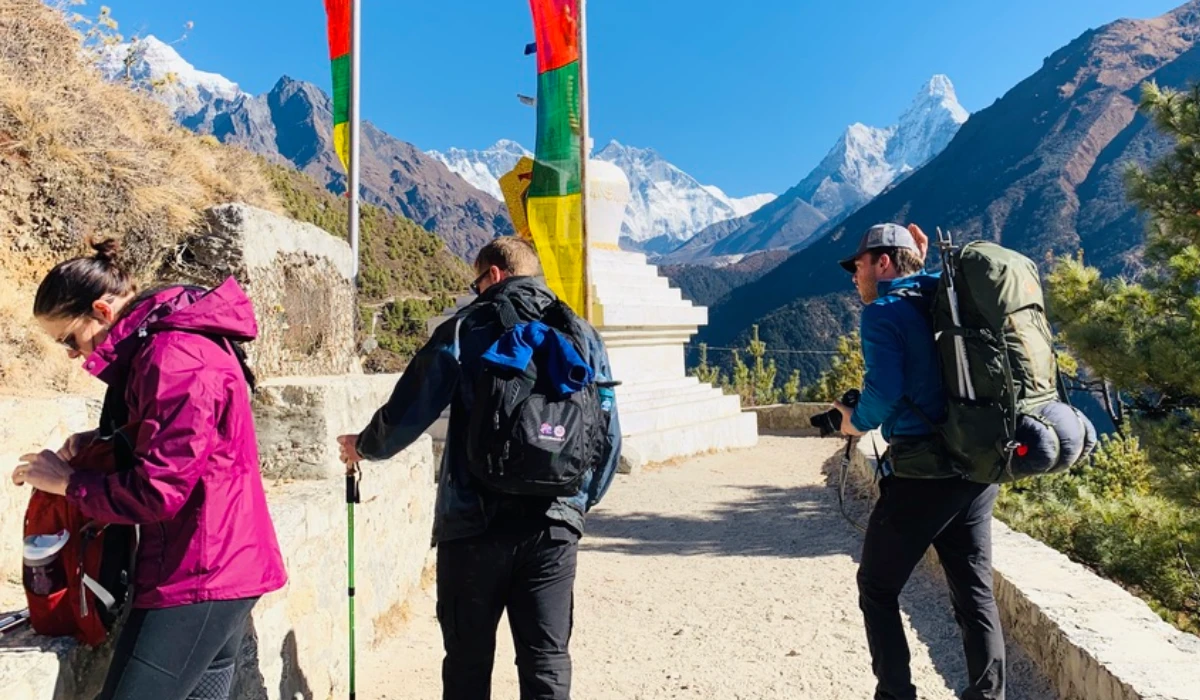
Best Time to Trek in Nepal – Seasonal Breakdown
Spring (March to May)
Nepal’s spring is likely the finest and most spectacular time to trek in the Himalayas. Winter recedes and nature is reborn. Mountain trails are set ablaze with rhododendron flowers, sweet songbirds and fresh sprouting greenery. All this combines to create a colorful spectacle and vigor that few places on Earth can provide.
The climate is clean, fresh and pleasantly warm, making it ideal for long treks. The high altitude regions like Everest Base Camp, Annapurna Circuit and Langtang Valley are easily accessible with ethereal views of snow covered mountains against a bright blue sky.
One of the best things about spring is that the weather is predictable. In contrast with the uncertainty of the monsoon climate or the biting cold of winter, spring offers nice weather with little to no chance of rain or snow.
Mornings would be typically clear, perfect for photographing and landscape shots while nights are cool but bearable. Likewise, the longer days also allow for more flexible itineraries so villages can be visited and scenic stops or side trips can be made without rushing.
In spring, you can find the mountain villages busy in celebrating cultural festivals like Holi and Buddha Jayanti with color and energy. Wildlife becomes more active within protected areas and trails adding to the magnificence of the trek. In all aspects, spring is the ideal balance of nature, culture and trekking comfort. It is perhaps the best season to witness the magic of the Nepal Himalayas.
Summer/Monsoon (June to August)
Summer or monsoon season trekking in Nepal is tough but has its own characteristics. It brings heavy rain and wetness across most of the country, particularly at mid hills and lower mountain altitudes. The trails will be wet and slippery and the chance of landslides is higher in certain areas.
Clouds shroud the mountain scenery and frequent rain showers have the potential to cause unplanned delays, disrupting your travel itinerary. Nevertheless, for those who are willing to take a challenge, the season offers a less crowded, more lush and contemplative experience of trekking.
Monsoon brings an enchanting greenery of the landscape. Hills and valleys are covered with rich greens, gurgling waterfalls and sights and sounds of birds and animals. The air is crisp and clean and the trails, relatively crowd-free, offer more peaceful, secluded communion with nature.
Although the most popular hikes such as Everest Base Camp and Annapurna Circuit less ideal due to the rain, rain-shadow regions such as Upper Mustang and Dolpo receive significantly less rainfall. They are excellent choices for monsoon hiking.
Summer hiking requires adequate planning like waterproof gear, having a flexible schedule and patience enough to tolerate unpredictable weather. However, it is rewarding in terms of an intimate view of Nepal’s natural beauty and rural life. While not the best time to visit Himalayas Nepal, it is the perfect time if you want to enjoy solitude, lush greenery and a different kind of Himalayan experience.
Autumn (September to November)
Autumn is the best time of year to trek in Nepal. It brings the perfect blend of weather, visibility and trekking conditions as a whole. The monsoon rain has just stopped and the air is cool, the skies are deep blue and the landscape is spotlessly clean and full of color.
The Himalayan trekking trails, whether Everest, Annapurna or Langtang, are in their most scenic state. Likewise, the sharp mountain views, comfortable daytime temperatures and dry and stable weather make hiking safe and comfortable.
Autumn trekking boasts one of the prime benefits of excellent visibility. With minimal cloud cover and humidity, the high Himalayan mountains can be viewed from morning till evening. The trails are dry, crossing rivers is more secure and prospects of delay due to weather are scarce.
From the warm days to move around in light clothes to the peaceful, chilly nights, the weather is perfect for a fantastic trekking experience. Also, the stunning eye treat of the autumn colors with deep shades supplements your trekking experience to nothing less than walking around a wonderland.
Aside from the natural beauty, autumn is also a season of a deep cultural experience in Nepal. The major festivals of Dashain and Tihar fall in the season which gives you an opportunity to enjoy local celebrations and traditions along the way. The lodges and teahouses are fully operational, with tourists coming and going, but the routes never feel crowded because of Nepal’s vast trekking network.
Overall, autumn trekking is a finely balanced and extremely rewarding experience, perfect for first-timers and seasoned adventurers alike, who want the best Nepal has to offer.
Winter (December to February)
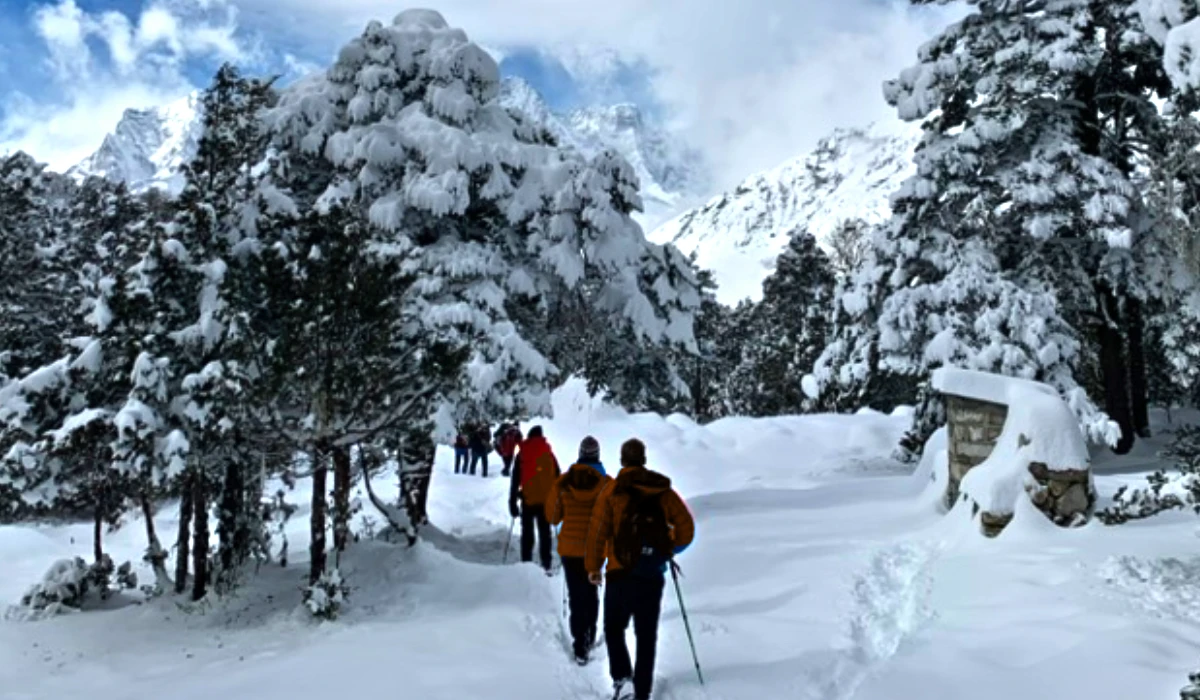
Winter trekking in Nepal offers a unique and exciting experience to those who do not mind the cold and would like to be solitary in the mountains. The high-altitude routes such as Everest Base Camp or Annapurna Circuit, are closed partially due to heavy snowfall and sub zero temperatures.
However, lower-altitude treks such as Ghorepani-Poon Hill, Langtang Valley, Pikey Peak etc are open and particularly rewarding at this time. The skies are typically crystal clear, mountain views at their sharpest and the crowds are less, making it ideal for those who enjoy quiet and a sense of wilderness.
Morning winters are cold, especially at high altitudes but afternoons are normally quite bearable under the warmth of the sun. The trails are vacant, the air is crisp and refreshing and the snow-covered summits appear majestic against the deep blue skies. Accommodations are open at most of the major trails. The lack of tourist throngs means more personal contact with villagers, enhanced teahouse service and peaceful atmosphere on the trek.
A little extra planning is involved for winter trekking, whether it is proper layering, warm gear and awareness of altitude and weather risks. However, it is a deeply rewarding experience for well prepared trekkers. Solitude, pristine beauty of the snow-glazed landscapes and the serenity of the trails all combine to provide a type of magical and meditative journey. The season is a treasure for trekkers who desire to avoid the throngs and witness the Himalayas in their purest, serene and majestic form.
Region-specific Trekking Tips by Season
Everest Region
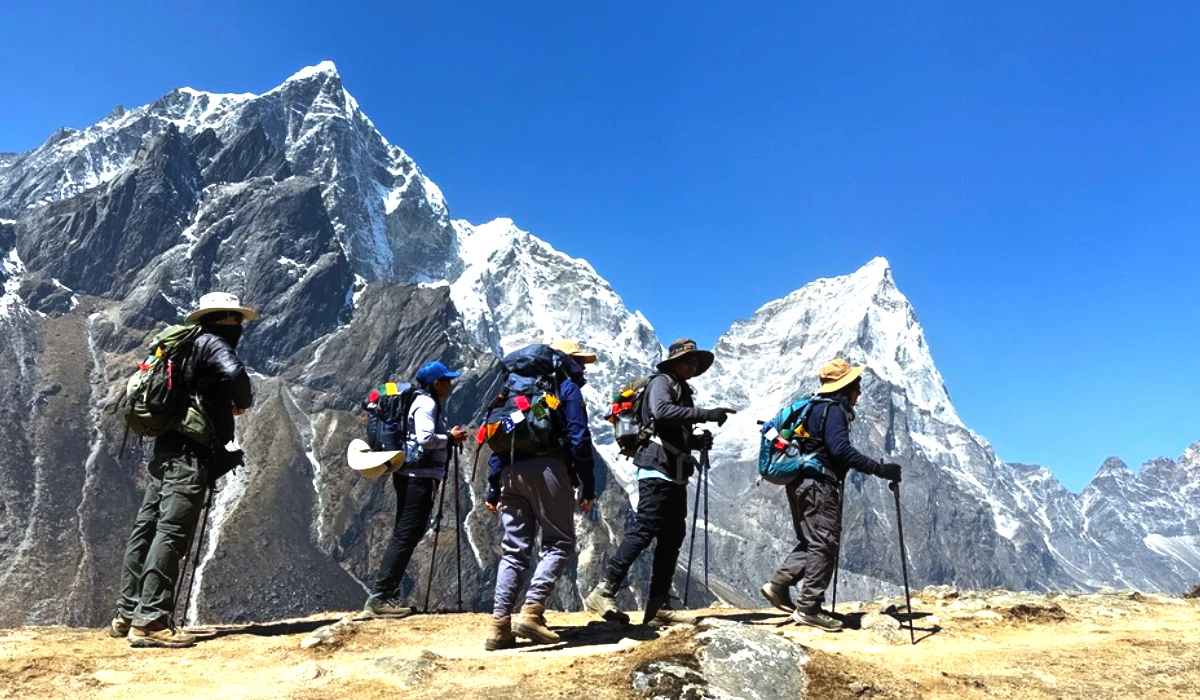
Autumn is the ideal and most popular time to trek in the Everest Region. The monsoon rains clear away the dust and pollution, bringing in crisp air and superb visibility. The skies tend to be a deep blue and the mountains are sharply defined, offering some of the most photographic landscapes of the Himalayas.
Temperature: Pleasant by day (10–20 degrees Celsius), cold at night (-5 to -10 degrees Celsius at higher altitudes)
Visibility: Excellent
Rainfall: Very minimal
Crowds: Popular teahouses and trails can be crowded, especially in October
Tips: Book teahouses and flights to/from Lukla well in advance
Cultural bonus: Attend Mani Rimdu, one of the largest Sherpa Buddhist festivals in Tengboche Monastery in October/November.
Annapurna Region
The best time to trek in Nepal Annapurna is autumn and spring, each with its own beauty. Autumn provides post monsoon clearness with crystal clear mountain views, blue skies and dry, stable pathways. It is a great time for photographing classic views of Annapurna I, Machapuchare, Dhaulagiri and surrounding peaks. Meanwhile, spring brings warm temperatures, rhododendron flowers in bloom and freshness along the trail. It is a magical period for nature lovers.
Temperature: Mild to warm during the day (12–25 degrees Celsius), cool at night (0 to -5 degrees Celsius at higher altitudes)
Visibility: Excellent in autumn; very good in spring (though late spring can bring slight haze)
Rainfall: Very low in autumn; light to moderate in late spring
Crowds: High in autumn, moderate in spring
Tips: Book teahouses early, especially at Ghorepani, Chhomrong and Manang
Cultural bonus: In autumn, enjoy Dashain and Tihar. In spring, enjoy the celebratory mood of Holi and Buddha Jayanti.
Langtang Valley
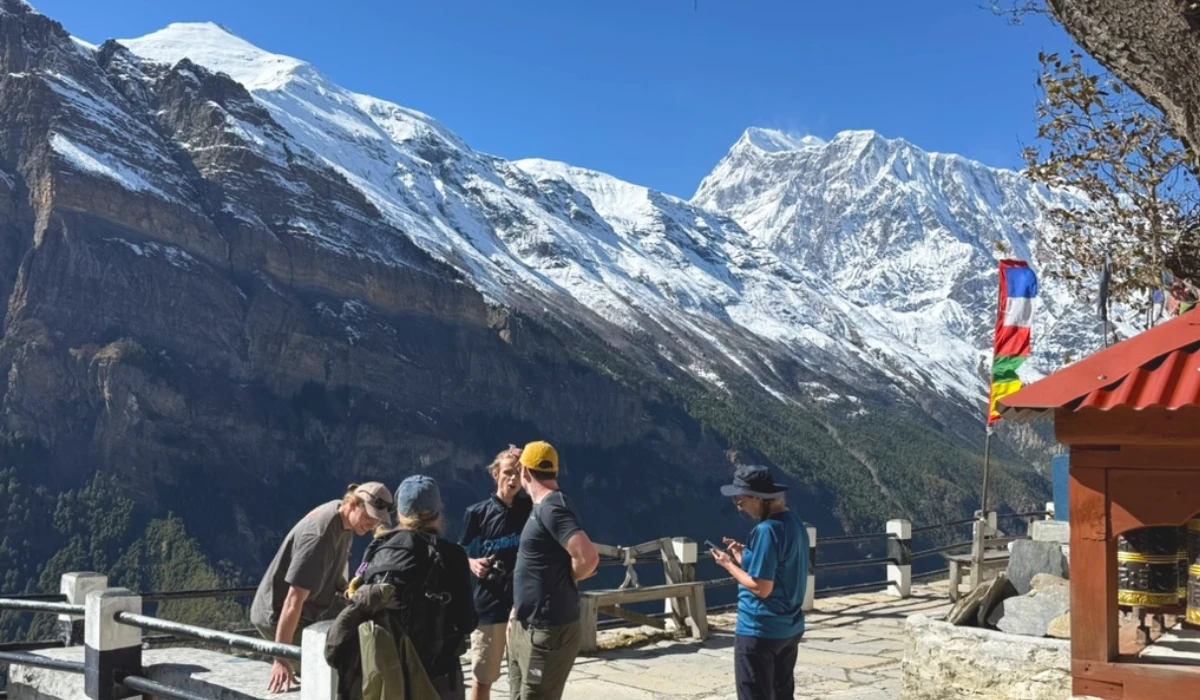
Langtang Valley is one of the world’s most gorgeous trekking destinations offering beautiful mountain views and the rich cultural life of the Tamang society. Autumn and spring are the best for trekking here. But autumn is a high trekking time and trails and teahouses can be crowded. Advance reservations are recommended during weekends and national holidays and you must dress for cold nights further into the season.
Spring is another stunning period with snow melting, temperatures rising and the valleys fill with rhododendrons and wildflowers along the trails. The weather is usually good and the crowds of trekkers are less in comparison to autumn. So, a more peaceful and personal connection with nature is possible. However, you must be cautious that late in spring, the visibility gets affected due to haze and sporadic pre-monsoon showers that make the trails slippery and muddy.
Regardless of the season, proper preparation, flexible planning and prior reservation of accommodations will ensure a safe and satisfying trek within this captivating Himalayan stretch.
Restricted Regions (Upper Mustang, Upper Dolpo, Manaslu, Kanchenjunga)
Nepal’s restricted trekking regions like Upper Mustang, Upper Dolpo, Manaslu, Kanchenjunga etc offer the most isolated, pristine and culturally rich trekking experiences in the Himalayas. Trekking in such areas can be amazing without a multitude of trekkers, but requires thorough planning and proper physical and mental conditioning.
Both Upper Mustang and Upper Dolpo lie in Nepal’s trans-Himalayan rain-shadow region, making them ideal for trekking even during the summer/monsoon when every other region is wet and muddy. The dry climate and unique desert-like topography guarantee that there is hardly any rain and you can enjoy comfortable treks with relative solitude. Winter is also possible with proper gear and layering. That said, autumn and spring still remain the best time to visit Himalayas Nepal.
Autumn and spring offer the best weather for the isolated and challenging treks of the Manaslu and Kanchenjunga Circuit. Reliable climate, clear skies and mild temperatures make this time ideal for venturing into these wilderness zones. Monsoon and winter seasons are less favorable due to the possibility of flash floods or heavy snowfall which could lead to trail closure, poor visibility and scarce teahouse or rescue facilities.
On the whole, Nepal’s restricted trekking zones are generally the best to go, when the weather is settled and visibility is excellent.
Best Time to Trek in Nepal – Crowds, Costs and Comfort
Peak Season vs. Off-Season: What to Expect
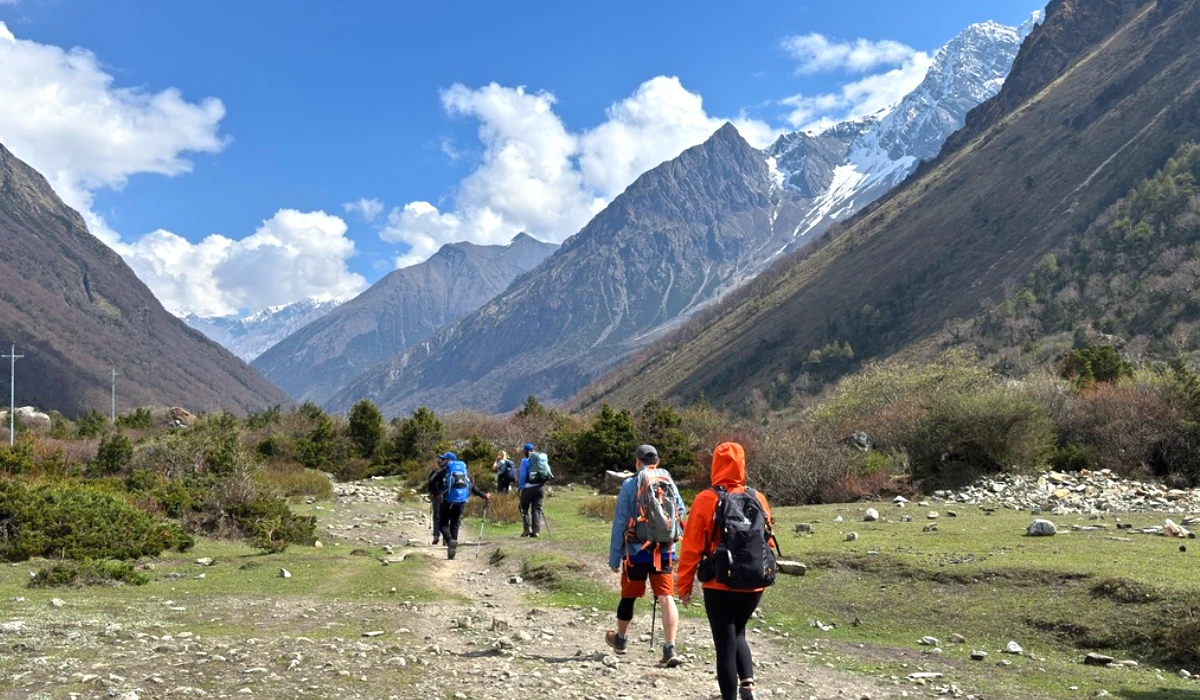
The best time for Nepal trekking is the peak seasons of autumn and spring when weather conditions are optimal, trails are secure and mountains are seen sharply. Skies tend to be clear, temperatures are not harsh and paths are well traversable during these periods.
However, busy trekking routes like Everest Base Camp, Annapurna Circuit and Langtang Valley become crowded. This is particularly during October and April when trekkers from around the world flock to the Himalayas.
Teahouses fill up early and bed, food and even porter service may have to be booked in advance. Although the atmosphere along the trails is festive and lively, it is not always the serene, immersive experience that you may seek in the mountains.
Off-season, monsoon and winter months offer quite a different kind of trekking experience. Monsoon is marked by heavy rain, cloudiness and leeches at lower elevations while winter brings snow, icy paths and subzero temperatures at alpine zones.
But with each challenge comes the reward. The trails are empty and the teahouses are more welcoming. For experienced trekkers and those who appreciate solitude, scenic Himalayan vistas and deep connection with nature are rewards.
In terms of comfort and cost, the difference between off-season and peak season is stark. High season also means that flights, rooms and guides cost more, due to the demand. Hot showers, electricity points and Wi-Fi are usually at an extra price.
Off-season is less expensive, with most teahouses offering lower prices and improved services. The whole trekking experience off-season is less commercial, more laid-back and can feel much more authentic.
Accommodation Availability by Season
Availability of accommodations while trekking in Nepal differs by season. It affects your comfort along with your budget and the overall experience of your trip. During the high trekking season in Nepal, teahouses and lodges along the popular mountain trails get filled up early.
Trekkers usually book accommodations in advance, end up sharing rooms, mostly on basic overflow ones or being turned away if arriving late. Demand also leads to fare hikes and supplementary services like hot showers, charging stations or Internet might cost more.
On the other hand, lodging is comparatively easier to find during off seasons, even on busy routes. You are able to negotiate a lower rate, enjoy more personalized services and have the choice of choosing rooms with better views. However, some remote lodges may close temporarily during the monsoon due to landslides, cold or snowfall.
Regardless of when you go, it is always a good idea to learn and book accommodations ahead of time, especially for popular routes or outlying areas with limited housing.
Budget Tips for Each Time of Year
Nepal trekking is suitable for a variety of budgets. Your total cost will vary based on the time of year, particularly in relation to accommodation, airfares, eating and equipment. During the high seasons, there is greater demand and therefore higher costs throughout. To save on your expenses during these periods, reserve early for flights, trek with groups to share guide/porter expenses and bring all the essentials for the journey.
In contrast, the monsoon and winter seasons are relatively much cheaper. Lodgings are affordable as they accept bargaining for prices. They might even throw in add-ons like free tea, charging or hot showers. Guides and porters also charge less because there are fewer trekking customers.
For the best of both worlds, consider trekking during the shoulder seasons, early March or late November, when prices begin to drop but weather conditions are still decent. While prices aren’t as low as in the off-season, you will have more bargaining power and wider accommodation choices. A few budget suggestions are to carry a water bottle, hire gear rather than buy and eat local food rather than pricier Western fare.
Best Time to Trek in Nepal Based on Your Goals
For Stunning Mountain Views
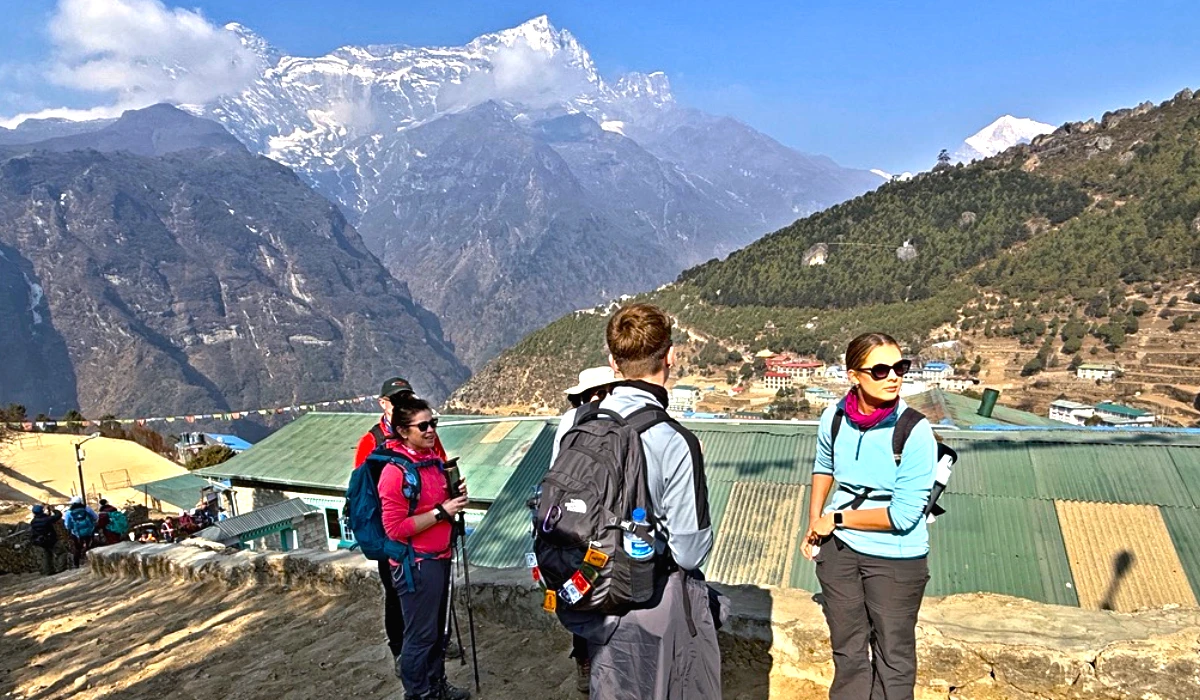
If uninterrupted views of snowy peaks are the ultimate objective for you, fall is the best time to hike in Nepal. The weather after the monsoon is at its most crystal clear state. This treats you to the dramatic vistas of iconic Himalayan ranges like the Annapurna, Everest and Langtang. The air is cool, the scenery is vibrant and sunrise and sunset views over mountains are often gloriously defined and colorful. It is a great time for photography and panoramic hiking excursions.
For Fewer Crowds
Exploring the trails without the bustle and heavy foot traffic of the peak months is possible during the early spring or late fall periods. These offer decent weather and visibility but fewer hikers and thus a quieter, more intimate experience on the trail. As long as you are adequately prepared, winter is also a time for experiencing peace and deeper immersion with quiet trails, crisp air and snow-covered landscapes.
For Budget Travel
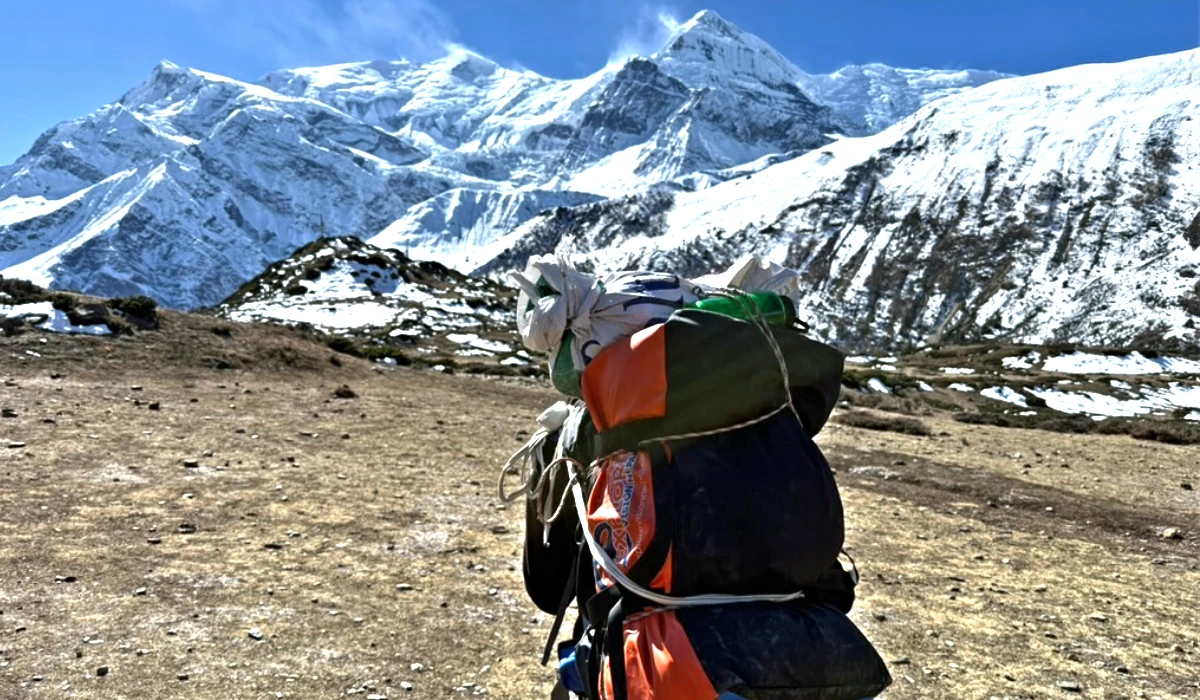
If you are on a tighter budget, hiking during off-seasons like monsoon and winter will save you money. Guide and accommodation fees are generally negotiable, airfares are lower and sometimes you will even receive additional perks like free meals. Just remember to expect potential weather-caused delays and dress accordingly for winter chill or monsoon rains.
For Unique Cultural Experiences
The best time to be immersed in the rich Nepalese cultural heritage is when the large festivals coincide with the trekking periods, i.e., autumn and spring. Festivals like Dashain, Tihar, Mani Rimdu, Holi and Buddha Jayanti paint the villages in vibrant rituals and celebrations. Trekking at this time makes you more exposed to the social and religious rhythm of Nepal.