





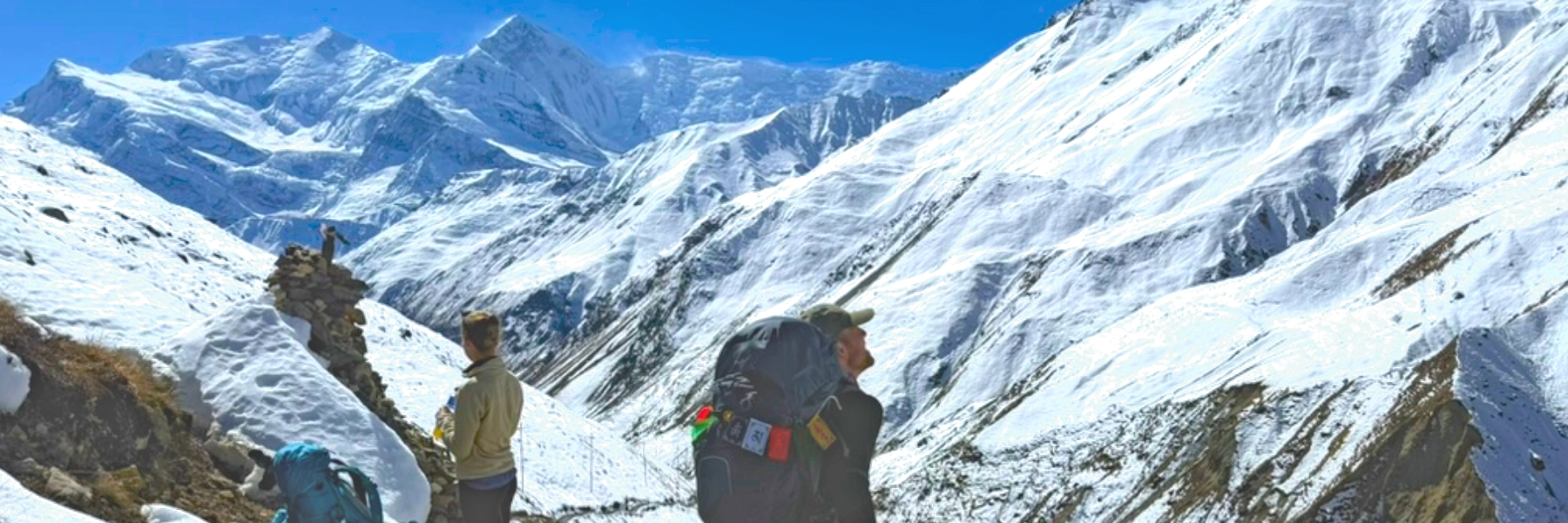

Trekking in Nepal is one of the world’s most exciting adventures. Thousands of travelers come to Nepal to walk through beautiful Himalayan trails and enjoy its unique culture and landscape every year. Popular routes like the Everest Base Camp Trek and Annapurna Circuit trek are especially famous as they combine fantastic mountain scenery with warm village hospitality. These trips take you through green hills, peaceful valleys and high icy passes. And that is, along with immersion in culture and traditions of the locals.
However, trekking in Nepal is not only adventurous but also very challenging. It is not easy to face the conditions once you go above 3000 meters. Here, the air is thin and your body receives comparatively less oxygen than at lower heights. This change can cause serious health problems for those who are not careful. Altitude sickness, fatigue or exhaustion are commonly faced. Besides, the unpredictability of the weather can also be a big challenge. This is why it is very important to follow and prepare with health and safety tips for high altitude trekking in Nepal.
Once a trekker learn how to stay safe at high altitude, he/she can enjoy trekking smoothly and safely in Nepal. This also helps in identifying early signs of health risks and taking preventive steps. So, your Himalayan journey will not only be safe but also truly memorable with the right preparation and these practical tips.
Understanding the Risk of High Altitude Trekking in Nepal
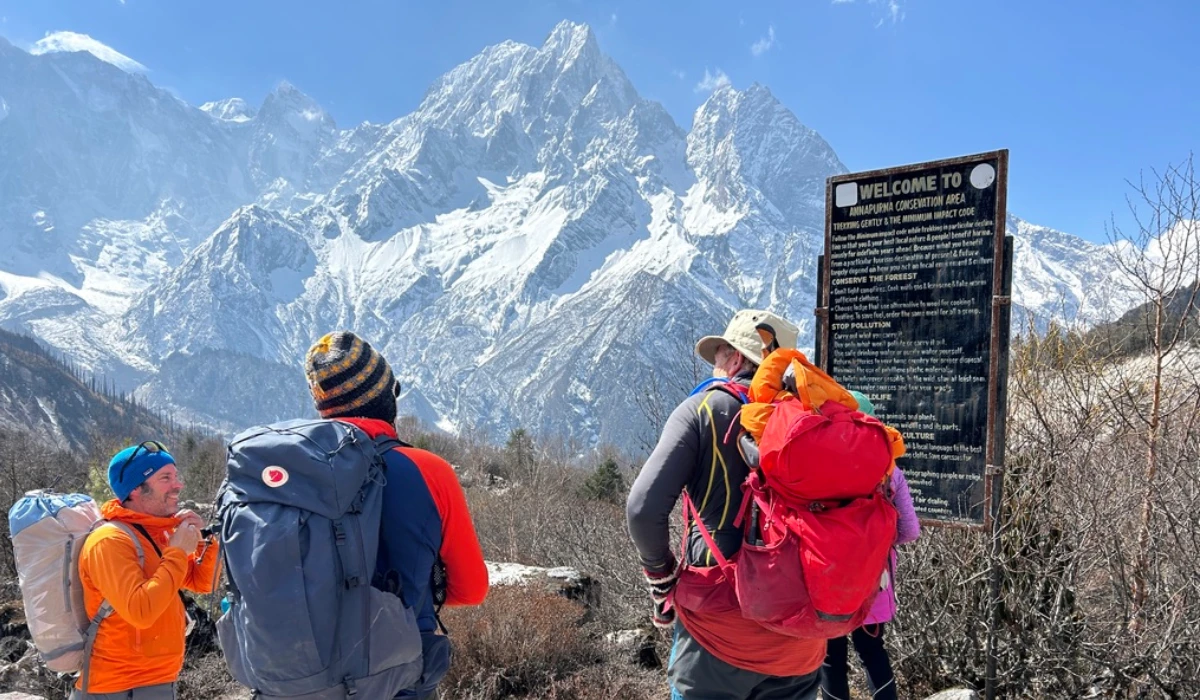
High altitude trekking in Nepal is always exciting. But it also provides many risks that each trekker should know. The higher you go, the less oxygen there is in the air. And this makes your body work harder than it normally does. The effect begins with draining your energy. So, firstly, you feel just a little tired. But when you climb over 3000 meters, the chances of problems related to height increase.
One of the most common risks is altitude sickness or Acute Mountain Sickness (AMS). This happens when your body cannot adjust quickly to thin air. If not controlled in time, AMS can turn into more serious conditions such as HAPE (High Altitude Pulmonary Edema) or HACE (High Altitude Cerebral Edema). In HAPE, fluid is formed in the lungs and HACE affects the brain. Both are serious concerns and can be life-threatening if ignored.
In addition to these conditions, there are few more challenges of high altitude. Hikers may face dehydration, fatigue, sunburn and cold injuries. The weather in the Himalayas is too unpredictable. A clear sky in the morning can drastically turn into snow or strong winds by noon. Narrow trails, steep climbing and rocky paths also add to the risks.
Understanding these high altitude risks is the first step towards staying safe. When you know how the height affects the body, you can focus on the prevention of altitude sickness. This is a strong measure to enjoy your journey with more confidence.
Recognizing Altitude Sickness Symptoms on Nepal Treks
When you are trekking in Nepal at high altitudes, such as the Everest Base Camp Trek or Annapurna Circuit, altitude sickness is highly possible. Hence, it is important to identify the symptoms earlier. As already said, the higher you climb, the less oxygen your body receives. Mild discomfort can appear first in many hikers. But ignoring these signs can cause serious health problems.
Early Symptoms of Altitude Sickness
Light symptoms often appear within a few hours after reaching a height of over 3000 meters. These early warnings include:
- Constant headache that does not improve with rest or painkillers.
- Feeling unusually tired or weak.
- Dizziness or lightheadedness while walking.
- Nausea or vomiting and loss of appetite.
- Problems with sleep or restless nights.
These mild signs are often the body’s way of asking for comfort. Continuing to climb quickly without addressing them can make the symptoms worse.
Severe Symptoms to Watch for at High Altitude Trekking in Nepal
The symptoms may indicate dangerous conditions such as HAPE or HACE if they intensify. Serious signals include:
- Shortness of breath while resting.
- Hands, feet or face start swelling.
- Maintaining balance becomes difficult.
- Confusion, poor decision-making or unusual behavior.
- Coughing with pink foamy liquid or tightness in the chest
These symptoms require immediate descent and medical attention because they can be life-threatening.
Real Trek Examples: EBC and Annapurna Circuit
The symptoms of altitude sickness begin gradually. And they deteriorate if not managed carefully. Real examples from popular Nepal treks help you know how the body reacts and why caution is important.
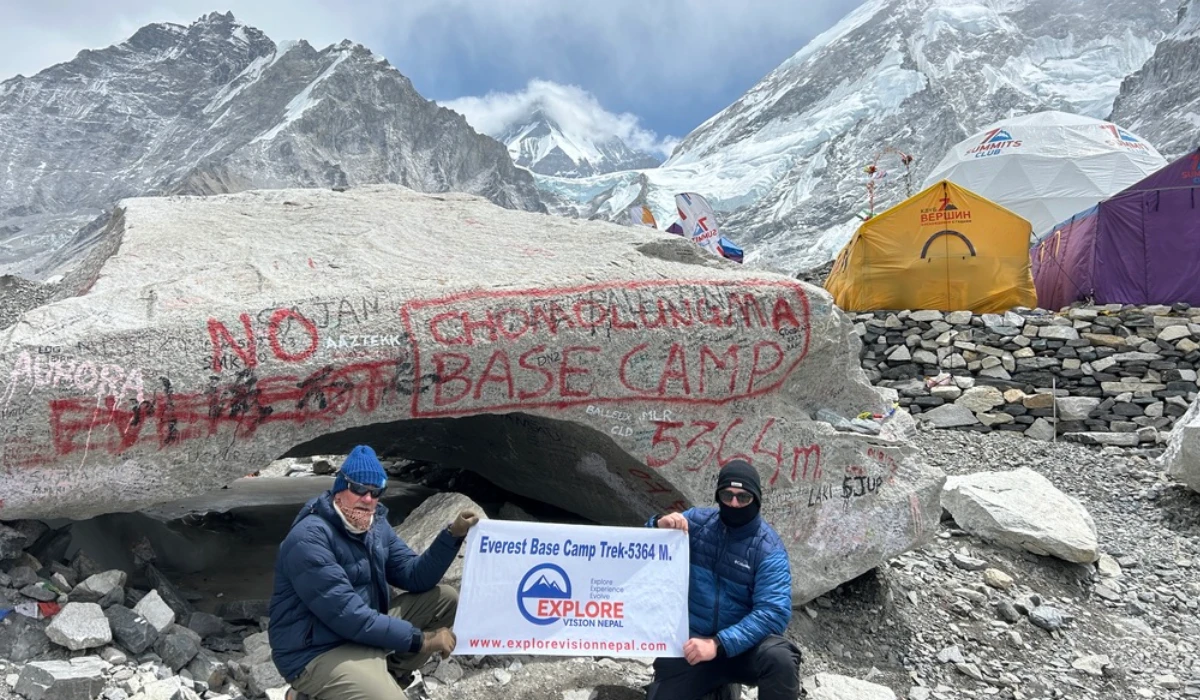
Everest Base Camp Trek: It is common to hear hikers facing mild dizziness, unusual fatigue or a minor headache when they reach Namche Bazaar at 3,440 meters. The symptoms can intensify if they continue to climb early without rest. Trekkers sometimes experience nausea, swelling of hands and feet and also sleep problems in higher villages such as Dingboche or Lobuche.
Even strong, experienced hikers can feel breathless after a few hundred meters of climb in a single day. Therefore, it is necessary to spend extra time and walk gently to avoid serious conditions.
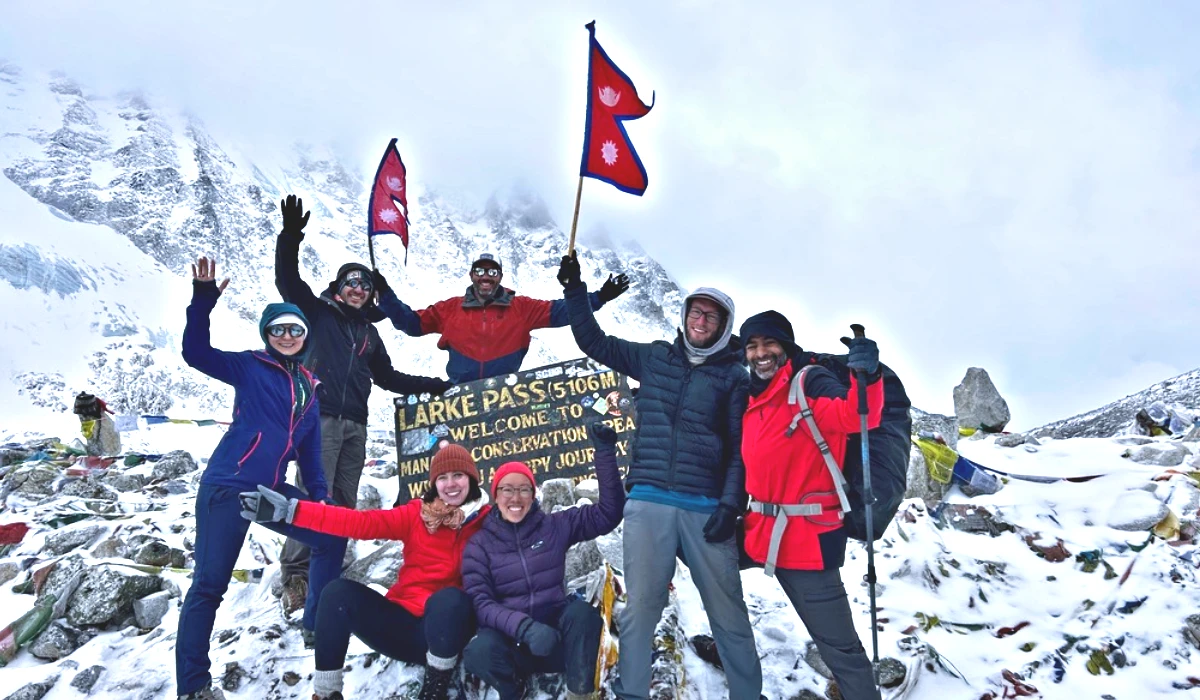
Annapurna Circuit Trek: Trekkers heading to Thorong La Pass (5,416 m) often experience severe fatigue, persistent headaches, dizziness and loss of appetite if they climb too quickly. It is common and obvious because Thorong La is one of the highest points in the Nepal trek. Some may also feel confusion or shortness of breath while resting. Acclimatization in villages such as Manang helps the body adjust. This way, the symptoms can be prevented from worsening.
Why is Recognizing Symptoms Early Important?
Recognizing symptoms early is for your comfort and safety during the journey. Moreover, it can literally save your life in the harsh and alpine Himalayas. When you detect early phases of sickness, you can slow down, hydrate, rest or descend at the right time. Learning your body’s signals and responding wisely ensures a safer and more enjoyable trek.
Tips to Prevent High Altitude Risks
It is very important to abide by the health and safety tips for high altitude trekking in Nepal. Trekkers who follow these tips will enjoy the Himalaya safely and comfortably.
Gradual Climb: 300-500 m per day
One of the most effective ways to prevent altitude sickness is to climb slowly. After reaching 3000 meters, try to gain only 300-500 meters per day. Quick climbing increases the risk of AMS, HAPE and HACE. Therefore, take time for your body to adapt to the thin air naturally.
Climb High Sleep Low Principle
“Climb high, sleep low” is a very effective and necessary acclimatization strategy. This means trekking at high altitude during the day but coming back to a lower altitude to sleep at night. For example, trekkers can trek to high villages in the afternoon and sleep in Namche Bazaar or Dingboche to help the body adjust slowly on the Everest Base Camp Trek.
Understand the Importance of Acclimatization Days
Acclimatization days are important while trekking in the high Himalayas. An extra day in villages such as Namche Bazaar, Dingboche or Manang lets your body adjust and reduces the risk of altitude disease. During these days, you can take rest and focus on hydration and nutrition. These breaks make a significant difference when going to a high pass like Thorong La or Kongma La as you can cope with the altitude challenges more easily.
Keep Updated About the Weather
Make a move only after you confirm that the weather is safe. Watch out for the weather forecast from time to time. If it is likely to be bad, staying at your current location can be an ideal decision. Staying safe ensures your journey is fruitful and obviously matters more than a day delayed.
Drink Plenty of Water
It is important to be well hydrated to avoid the risks of altitude illness. You should aim to drink 3-4 liters of water daily at high altitude. Avoid alcohol because it can dehydrate the body and worsen AMS symptoms. Water, herbal teas and electrolyte salts are excellent ways to maintain proper hydration.
Energy and Balanced Diet for Recovery
A nutritious diet helps your body cope with the physical demands of high altitude trekking. Carbohydrates provide energy for hiking and proteins repair muscles. Eating small, frequent meals often makes it easier to maintain strength and immunity. Make sure your diet includes fruits and vegetables.
Proper Rest is Beneficial
Sufficient rest is as important as hydration and diet. Sleep allows the body to recover and adapt to high altitude. You should avoid strenuous activity in the evening and try to maintain a regular sleep schedule in teahouses at high altitude.
Essential Health Preparations and Safety Gear for Nepal Treks
Medical Examination Before Trek
A medical check-up is recommended before starting a high altitude trek in Nepal. Go to a physician and check your general fitness level, your heart status and lung health. Evaluating any chronic conditions such as asthma, diabetes or high blood pressure is important. This can be troublesome if ignored at the right time. Besides, knowing your health condition helps you prepare adequately for the physical requirements of trekking in the alpine Himalayas. This will ultimately reduce the risk of health complications on the trails.
Fitness Preparation
It should not be required to explain much that fitness ensures a pleasant trek. Cardiovascular training such as running, cycling or swimming helps to build endurance. Do strength training for your legs, core and back. This will prepare your body to climb long distances and carry backpacks. Another effective training is practicing with a loaded backpack. This training will simulate actual trekking conditions and help adapt your muscles. Lastly, you need to be consistent with plans and training. Just some weeks of strong dedication can lead to significant improvements and reduce the risk of injury along the journey.
Safety Essentials for High Altitude Trek
It is absolutely necessary to have the appropriate gear in order to trek safely in the Himalayas of Nepal. The table below briefly presents the main equipment and their purposes:
| Clothing and Safety Gear | Purposes |
| Layered Clothing | Base layer wicks the sweat Mid-layer provides warmth Outer layer protects from rain/wind |
| Sunglasses, hat, sunscreen | Sun protection |
| Quality trekking boots | Navigating trails |
| Trekking poles | Helps with the balance |
| Sleeping bag | Keeps you warm during cold nights at high elevations |
| Backpack | To carry essentials without straining your back. |
First Aid for Trekking and Medicines
It is necessary to carry a well-prepared first aid kit for minor health issues during high altitude trekking in Nepal. This helps prevent small problems from becoming serious in wilderness areas. The table below briefly explains these items:
| First Aid and Medications | Purpose / Notes |
| Diamox (acetazolamide) | Helps prevent and treat mild altitude sickness; take only under medical guidance. |
| Painkillers | Relieve headaches or minor aches during trekking |
| Rehydration salts | Prevent dehydration and balance electrolytes |
| Blister care | Protects feet from blisters and minor injuries |
| Personal Prescriptions | Any ongoing medication you require |
| Basic antibiotics (if prescribed) | For minor infections |
What to Do if You Get Altitude Sickness in Nepal
Anyone can begin to feel symptoms of altitude sickness during adventurous Nepal’s treks. If you notice any, first stop ascending and then take a break. Breathe slowly to help your body adapt. Drink a lot of water to stay hydrated and don’t consume alcohol or excessive caffeine which can worsen the symptoms. Headaches, dizziness or nausea and mild discomfort can improve with rest, hydration and slow movement. However, it is very important not to ignore these signs, as climbing quickly can lead to serious conditions such as HAPE or HACE.
If the symptoms remain or become severe, you should immediately descend to a lower altitude. Medical assistance from Himalayan Rescue Association (HRA) clinics is available in villages such as Pheriche, Manang and Dingboche. You will probably find oxygen and professional care in these service centers. By acting quickly, resting enough and asking for help when needed, altitude sickness can be effectively managed and you can continue your Himalayan journey safely.
Final Considerations for Health and Safety Tips for High Altitude Trekking in Nepal
In addition to standard safety practices, there are many important things that each trekker should consider when going for high altitude trekking in Nepal. You must first get comprehensive travel insurance that covers alpine mountain trekking. More importantly, ensure that the travel insurance covers medical evacuation over 5,000 meters as well. Accidents or altitude-related illnesses can occur and access to medical assistance in remote areas may be limited. Having proper insurance coverage will provide financial protection and also ensure faster evacuation when necessary.
Communication is another important factor. Carry a local SIM card from Ncell or Nepal Telecom. Getting a satellite phone or a GPS device is also necessary. This way, you will stay in touch with your guide or emergency services. When you are on the trails that are not clearly marked, navigation tools can help. So, carrying offline maps, trekking apps or a compass is also ideal.
Budget management is very important as well. In remote villages, ATMs are rare. So food, accommodation and emergency services need enough cash in hand. Withdraw the required amount to cover daily trekking expenses in advance while you are still in the cities.
Knowing these additional considerations, insurance, communication, navigation and cash will promote a safe, smooth and more comfortable trekking experience in the Himalayas.