


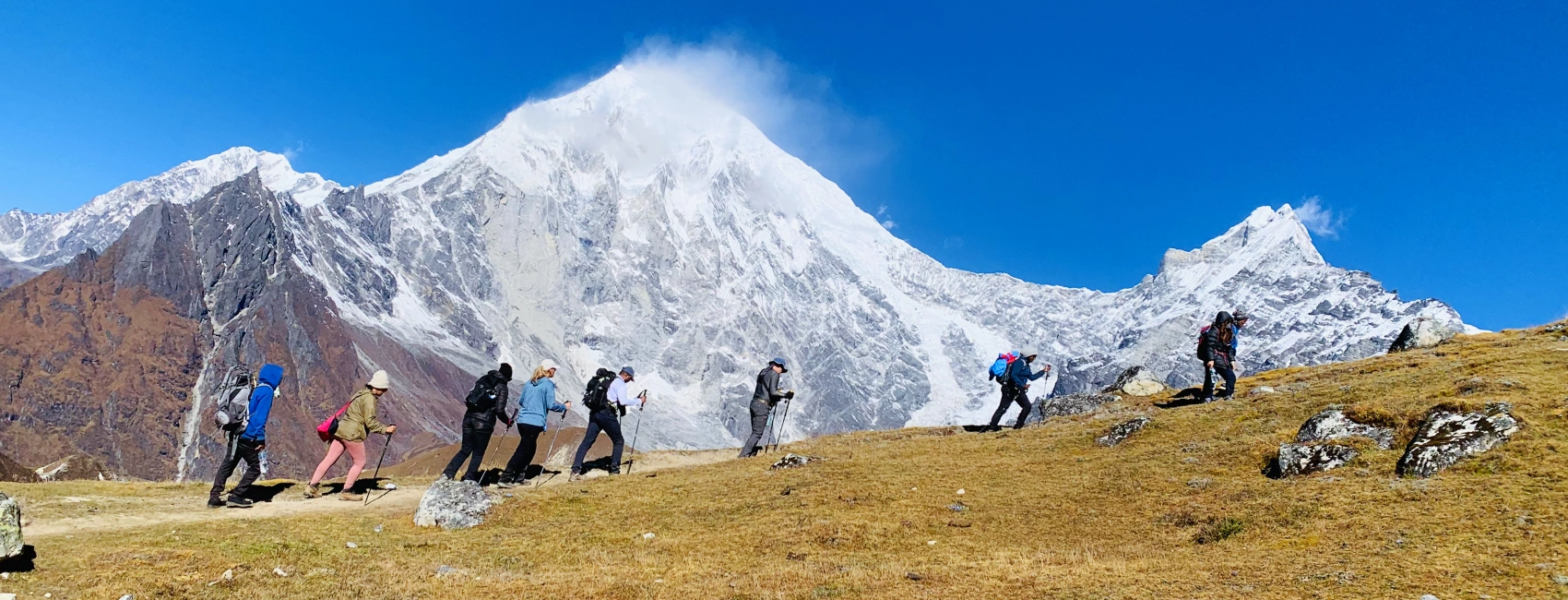

“Apart from its attractive ecosystem and geography, it is the closest national park to Kathmandu, accessible in a single day’s drive. Who knew you could access this beautiful national park of Nepal in just one day!”
Introduction: Langtang National Park
Langtang National Park is the first Himalayan National Park established in 1976, spanning 1,710 square kilometers. This park is home to diverse ecosystems, ranging from tropical forests below 1,000 meters to high-altitude peaks above 7,000 meters.
Apart from its attractive ecosystem and geography, it is the closest national park to Kathmandu, accessible in a single day’s drive. Who knew you could access this beautiful national park in Nepal in just one day!
That is why it is said: Langtang is where the Himalayas begin at your doorstep, a living bridge between the subtropical south and the Tibetan north.
Buffer zone of the Langtang National Park:
Since 1998, a 420 sq. km buffer zone has been established around the national park. This area is managed by the park authorities and local communities, maintaining a connection between the authorities and the families of Langtang.
Therefore, income from the entry permits goes to the Department of National Parks and Wildlife Conservation (DNPWC). And 30-50 percent is shared with the local communities living in the buffer zone. It supports local livelihood and conservation of natural resources, keeping the landscape alive with culture as well as wildlife.
Location: Where is Langtang National Park?
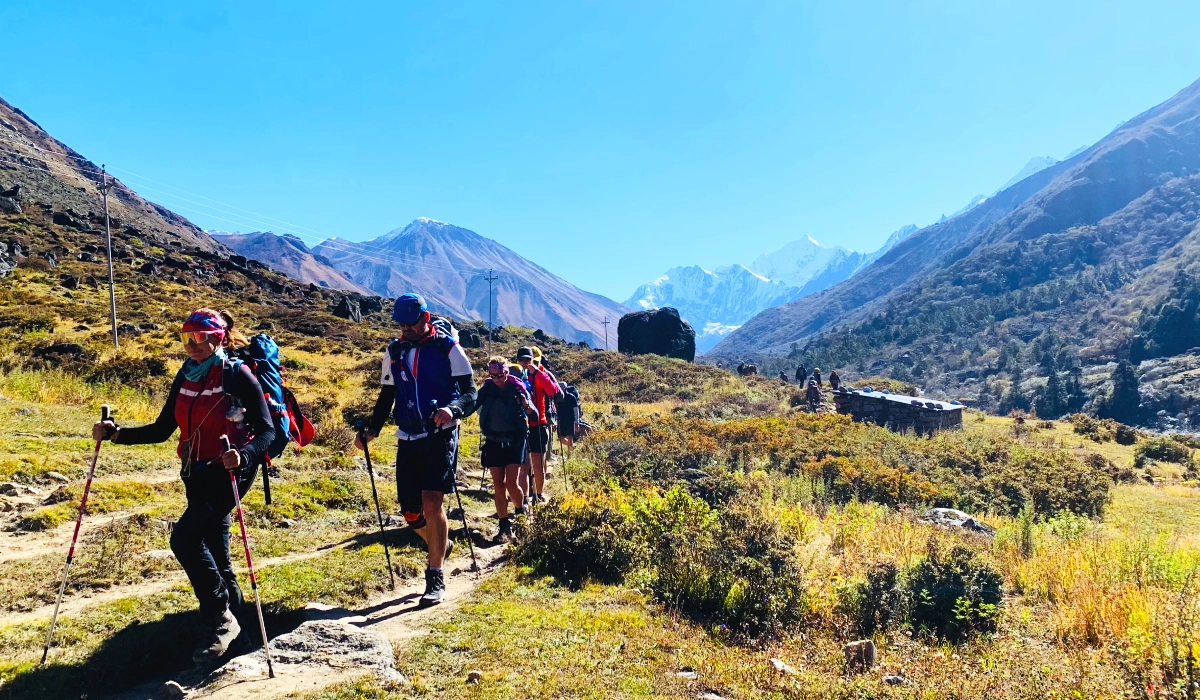
Langtang National Park is in the north-central part of Nepal, about 32 km north of the capital city, Kathmandu. It covers the parts of the Nuwakot, Rasuwa, and Sindupalchowk districts in the central Himalayan region. Located along the Nepal-China border, this national park connects to China’s Qomolangma National Park Reserve to the north.
The Indo-Malayan and Palearctic biogeographic regions are also included in Langtang National Park. What difference does it make in the National Park? This gives the region an incredible mix of ecosystems, diverse plant life, birds, and wildlife, making it ideal to explore as a traveler.
Standing in such an accessible area from the capital city while being connected to different natural territories, Langtang serves as a perfect nearby beauty from Kathmandu.
Vegetation and Wildlife: Treasure for Nature Lovers
Vegetation:
One of the most amazing things about Langtang National Park is how the vegetation changes drastically in just days. Starting from the southern lowland, the forests are covered in subtropical Sal, hills of Chirpine, and occasional Rhododendron. The altitude ranges from 2000m to 2,600m.
The next layer of vegetation you can see is after 2,600m. The forest mostly has hemlock, larch, and silver fir. Until 3,000m, the atmosphere gets cooler and quieter. After that, the terrain leads to the subalpine zone. There are Nepalese Larch, the only deciduous conifer in the Langtang region. It also has beautiful, scented junipers and most rhododendron shrubs that add beautiful color to the region. This is one of the most attractive parts of the Langtang National Park.
Crossing the subalpine zone, above 4000 m, the vegetation has more alpine features. All the shrubs become dwarfs, and most fields are alpine meadows and yak pastures. The land almost feels barren and closer to the mountains. The land is more glacial, rugged, and remote in this section of the park. This section attracts adventurers interested in high-altitude trekking, peak climbing, or even mountaineering.
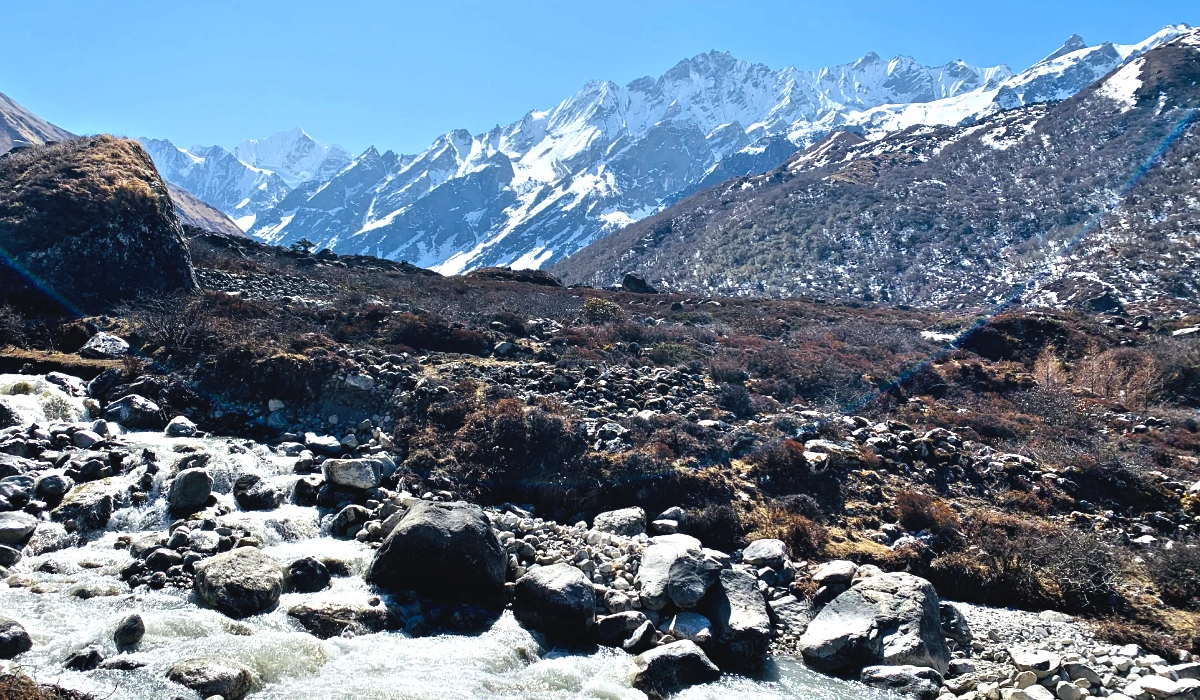
Wildlife highlights:
Along with its beautiful vegetation, the area is home to different wildlife. While spotting them needs a bit of luck, trekkers and explorers never stop exploring the area. The wildlife of the national park still plays a vital role in attracting tourists from all over the world.
Anyone on the journey around the lower area can mostly spot the domesticated animals of the residents. After entering the forest, common sightings are langurs or Rhesus monkeys. On the trail, you can see mules as the transport for goods to higher and lower altitudes.
Crossing the subtropical zone and entering the alpine zone, the area has more chances of blue sheep and Himalayan tahr sightings. As a domesticated mammal, yaks often cross paths with the travelers in the region.
Rare and endangered mammals in Langtang National Park:
- Red Panda (Ailurus fulgens)
- Snow leopard (Panthera uncia)
- Clouded Leopard (Neofelis nebulosa)
- Himalayan black bear (Ursus arctos isabellinus)
- Musk Deer (Moschus chrysogaster)
Birdlife of Langtang:
This national park also shelters over 373 bird species, from colorful pheasants to soaring eagles, making it a great birdwatching hub. The major bird species found at high altitudes in the park is the Himalayan Monal, the national bird of Nepal.
Endangered:
- Satyr Tragopan (Tragopan satyra)
- Wood Spine (Gallinago nemoralis)
- Hoary-throated barwing (Stachyrhynchus nigriceps)
Places of interest: Attractions and Trekking
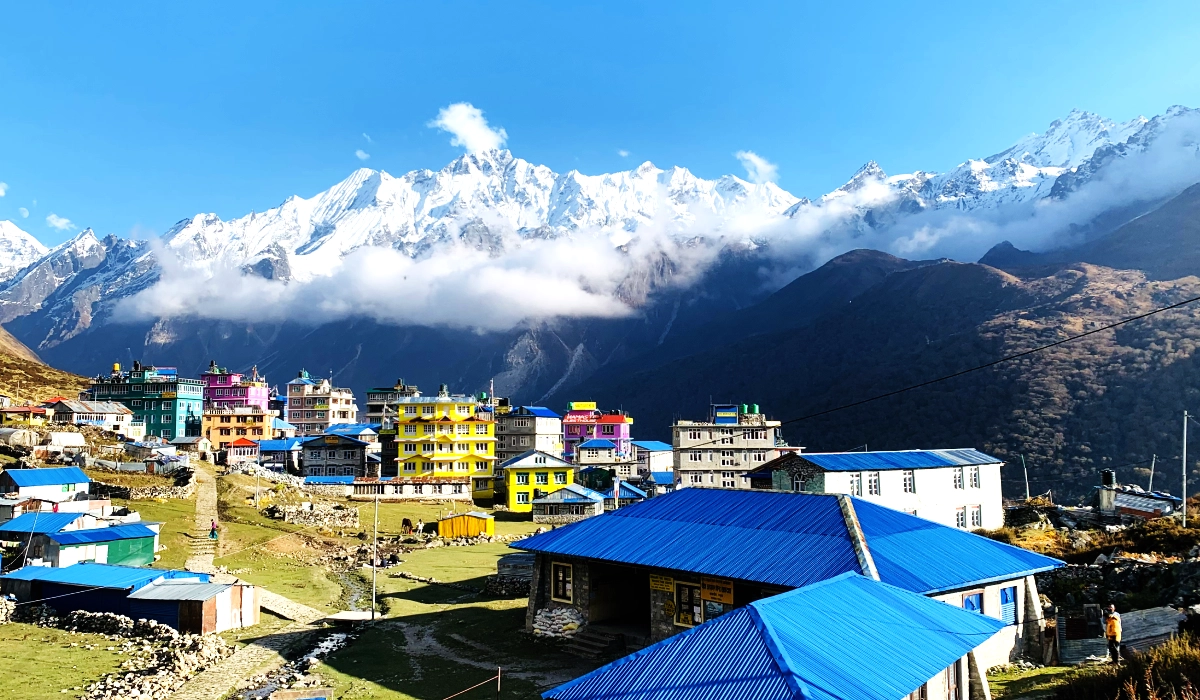
Langtang Valley
Langtang Valley is the top attraction and the soul of the Langtang National Park. The valley is known for immersive trek journeys like the Langtang Valley Trek. It is a popular choice for travelers who want the best beginner-friendly Himalayan experience in Nepal.
This journey typically takes 7-10 days and passes through diverse terrain loaded with natural beauty. You start from a lush rhododendron and bamboo forest at a lower altitude, then enjoy alpine meadows and yak pastures at higher altitudes.

Langtang Valley Trek – 10 Days
Langtang Valley Trek is the nearest trek from Kathmandu that is easy, less crowded, and requires less time to complete. You get to enjoy a wonderful Himalayan experience without extreme altitudes and heavy...
 10 Days
 Easy
Easy
US$ 695
Short glance at the route:
The Langtang trek journey is short, and the starting point (Syaprubesi) is reachable in just a 6 to 7-hour drive from Kathmandu. Then, the journey ascends to Lama Hotel, Langtang Village, and Kyanjin Gompa. Kyanjin is the last stop of the Langtang Valley Trek and mostly stops with a stunning side hike to Kyanjin Ri or Tserko Ri.
After that, the trek descends from the same route back to Syaprubesi, followed by a return drive to Kathmandu. This is a simple glimpse of the scenic route of the Langtang Valley. If you want to learn complete details on the itinerary, cost structure, and what the journey looks like, check out the Langtang Valley Trek details.
Additional note: For trekkers with limited time, we have specially designed a shorter alternative for the Langtang Trek: the Short Langtang Valley Trek. The itinerary is slightly modified from the original trek; however, it offers a similar experience, including the Tsergo Ri hike.

Short Langtang Valley Trek – 08 Days
Short Langtang Valley Trek is one of the Langtang journeys across the Himalayas that can be completed within 8 days. In just two days of hiking, you reach stunning alpine scenery. Ideal for...
08 Days
Moderate
US$ 670
Langtang Yala Peak
For those who want more than a valley trek, many peaks within Langtang National Park are possible for peak climbing. Langtang Yala Peak is one of them. It is popular among travelers just beginning their peak climbing journey. As stated, it does not need any technical climbing or training.
It takes around 10-12 days to complete the Langtang Yala Peak Summit and reach an altitude of 5500 m. Along with the adventure, it rewards climbers with a 360° panorama of Mount Langtang Lirung, Dorje Lakpa, and Shishapangma.

Langtang Yala Peak Summit – 12 Days
Langtang Yala Peak Summit is the best Peak Climbing in Nepal for beginners and is easily accessible from Kathmandu. It offers an adventurous Himalayan summit without the necessity of technical climbing. The journey...
12 Days
Difficult
US$ 1370
Short glance at the route:
This trek follows the same itinerary as the Langtang Trek and extends to the Yala Peak route. Instead of heading back, the climb ascends higher to the peak base camp and reaches the summit of Yala Peak. There, you complete the climb, with extraordinary views of Langtang Lirung, Shishapangma, Dorje Lakpa, and other countless Himalayan giants.
After that, taking the same route back and driving to Kathmandu ends the Yala Peak experience. If you want to know more about the journey and its cost structures, explore our Langtang Yala Peak Summit details.
Gosainkunda Lake
Gosainkunda Lake (4,380m), one of the most sacred lakes in Hinduism, is situated within the protection of Langtang National Park. It is a pilgrimage destination that draws thousands of devotees from Nepal and India each August during the Janai Purnima festival.
For trekkers, the same route offers one of the most beautiful experiences in the National Park. It typically takes around 12 to 14 days, combined with the Langtang Valley route.
Langtang Gosainkunda Trek – 14 Days
Langtang Gosainkunda Trek is an adventure through the resilient Langtang Valley to the sacred glacial Lake Gosainkunda. It offers a journey beyond scenic beauty and introduces you to the ancient spiritual energy of...
15 Days
Moderate
US$ 1550
Short glance at the route:
The adventure follows a slightly different route and has different starting and ending points.
Apart from the trail to Kyanjin Gompa, the Gosainkunda trail passes through Tulo Syapru and Shin Gompa and reaches Gosainkunda. Then, continues further and crosses Lauribina Pass, Ghopte, Kutumsang, and ends at Kathmandu.
It is long and challenging, but the combination of valley views, holy lake, and diverse landscapes makes it absolutely worth every step. Looking to learn more about the combination of two valleys in one? Take a look at our Langtang Gosainkunda Trek details for more information on the itinerary, cost, and tips.
Mountain Panoramas
Langtang Lirung (7,227m): Langtang Lirung is the dominant peak of the Langtang National Park, visible from anywhere in the upper valley. Its massive north face offers magnificent views throughout the higher areas. You can see the peak from any journey around the national park, like the Langtang trek, the Gosainkunda trek, or the Yala Peak summit.
Dorje Lakpa (6,966 m): It is a unique mountain shaped like a pyramid. The peak is remarkably beautiful and visible from Kathmandu on clear days as well.
Shishapangma (8,027m): It is the 14th highest mountain in the world and the only 8,000-meter peak entirely within Tibet. The mountain is visible from the higher points of the region within the national park. One of the best points to see this mountain is during the Tsergo Ri hike. Seeing the mountain that belongs to Tibet, standing fiercely ahead, is an exceptional experience to know how connected the region is to Tibet.
Yala Peak (5,520m): This mountain is a favorite among trekkers. It is a popular trekking peak offering summit opportunities for those with basic mountaineering skills. Yala Peak is perfect for the first summit experience for those wanting to start their mountaineering journey soon.
Langshisa Ri (6,427m): This mountain has a sacred importance to the Langtang community. With its traditional connection to the region, the people of Langtang host the Langshisa festival each year, also known as the Langshesha Mela. It attracts trekkers for authentic engagements and peak experiences.
Ganesh Himal Range: Named after the Hindu elephant-headed deity Ganesh, this range adds cultural and spiritual importance to the landscape. The range looks like a cluster of mountains forming the southern wall of the Langtang Valley. It is visible from most parts of the park and also visible from Kathmandu city.
Langtang National Park Permits for entry and trekking
All trekkers entering Langtang National Park require two permits:
- Langtang National Park Entry Permit
- TIMS (Trekkers’ Information Management System) card
Important note: For the Yala Peak summit, an additional NMA climbing permit is required. All permits can only be issued through the government-registered trekking company in Nepal.
Best time to visit Langtang National Park
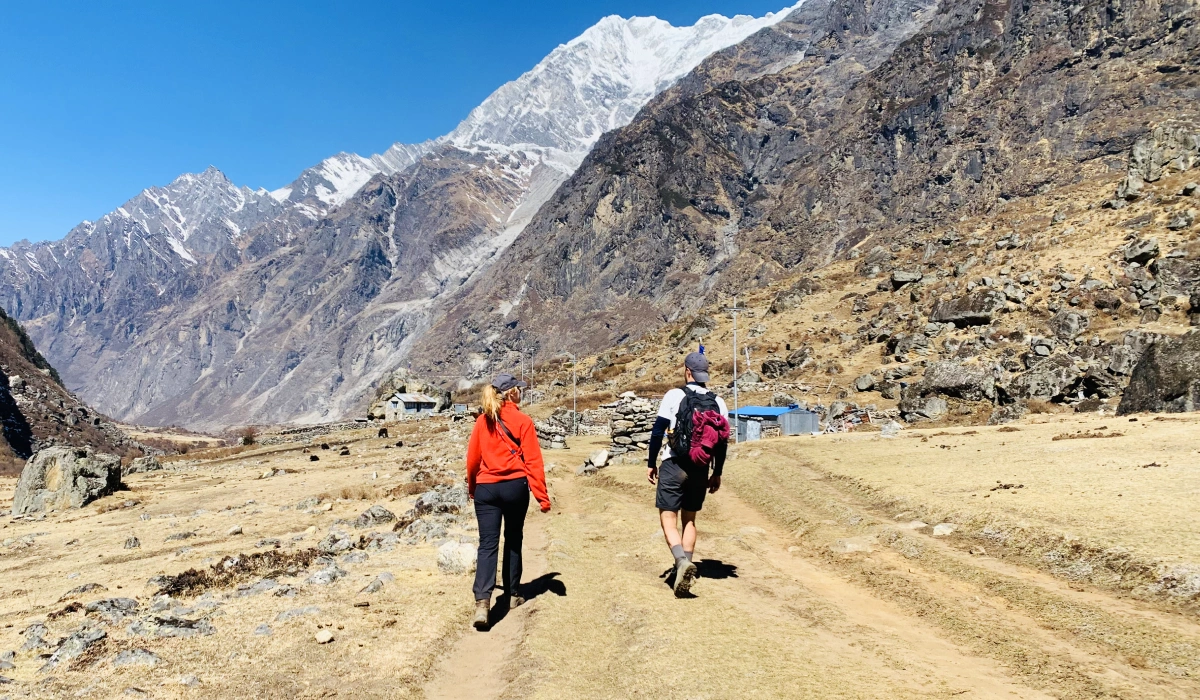
It is a year-round destination, where each season brings a different experience. The beauty of these seasons is perceived differently by each traveler! So, here is a simple guide to find out which period matches your preference and is the best time for you to visit the Langtang National Park:
Autumn (September to November): This season is known as the best time for trekking in Langtang. As it is a post-monsoon period, the washed-out mountains and green forest offer an amazing, refreshing experience. At higher altitudes, where mountains are often not visible at other times, in the autumn, the sky is clear, and mountains are mostly visible till afternoon.
The trails and forest are reviving with clear views. As it is the peak season, there are comparatively more trekkers on the way. You get to connect with new friends along the way!
Spring (March–May): This is the most beautiful period of the year for Langtang National Park, when nature blooms at its best. It is also a suitable period for trekking, which is why there are several travelers or trekkers at this time. As it is one of the best places to see rhododendrons, the trails are covered in colorful rhododendrons, enhancing the travel experience for nature lovers.
The temperature is warmer and more adjustable, with clear weather, making this season more ideal. The trekkers who are planning to engage or are trekking in the higher region of the park get a more comfortable experience at this time.
Monsoon (July and August): This period of the year is not recommended for trekking, but travelers who love the monsoon and its lush green landscape can visit the lower region of the park. The trails are a bit slippery, but after the rain stops, the scenery turns dramatic with the occasional clouds.
The waterfall and rivers are at their best level, flowing with aggression. If lucky, you might even get to participate in the Janai Purnima Festival at Gosainkunda Lake in August.
Winter (January and February): This is a season of solitude for trekking and traveling in Langtang. During the period, it is colder, and the high altitude may even have snowfall. Some high passes or the climb might be blocked. Gosainkunda Lake is frozen during the winter. There are few to no trekkers, so it is peaceful during this time. Seasonal teahouses might be closed due to the off-season period.
However, in the lower altitude, due to the existence of permanent residents, there are availabilities of homestays, teahouses, and hotel facilities. You can stay at the lower altitude and explore the nearby destinations in villages like Dhunche or Syaprubesi.
Teahouse facilities in the Langtang National Park
Teahouses and lodging play a vital role in accommodating the travelers in the national park. Beginner hikers in Langtang to professional trekkers in the region, anyone choosing to visit the park needs multiple days to explore the area and needs basic amenities to stay. So, to accommodate travel activities within the territory, simple family-run teahouses are established in the local villages of Langtang.
These are where the same household has been hosting tourists for generations. The teahouses often reflect strong Tamang and Tibetan cultures, like the dining hall kitchens with unique Tibetan-style designs. And at least a separate revering place for the Tibetan deities in the dining room or a separate room.
Major teahouses offer basic but cozy accommodation, hot meals, and the unique opportunity to connect with local Langtang culture. Most of them are operated by residents who have been living here for centuries.
In the lower villages like Dhunche and Syaprubesi, the gateway for travel routes has moderate facilities with possible attached bathrooms and hot showers available. But at high altitudes, the facilities are more basic as you climb higher.
Common facilities available:
Basic rooms: Twin beds, blankets, and shared bathrooms in higher zones. Some teahouses in lower villages have indoor or attached bathrooms.
Hot meals: Dal bhat, noodle soups, fried rice, noodles, Tibetan bread, porridge, muesli, potato curry, seasonal local dishes, butter tea.
Connectivity: Mobile networks and Wi-Fi are reliable in the lower villages at major stops; at higher altitudes, these services are not reliable.
How to reach : Journey from Kathmandu to Langtang National Park
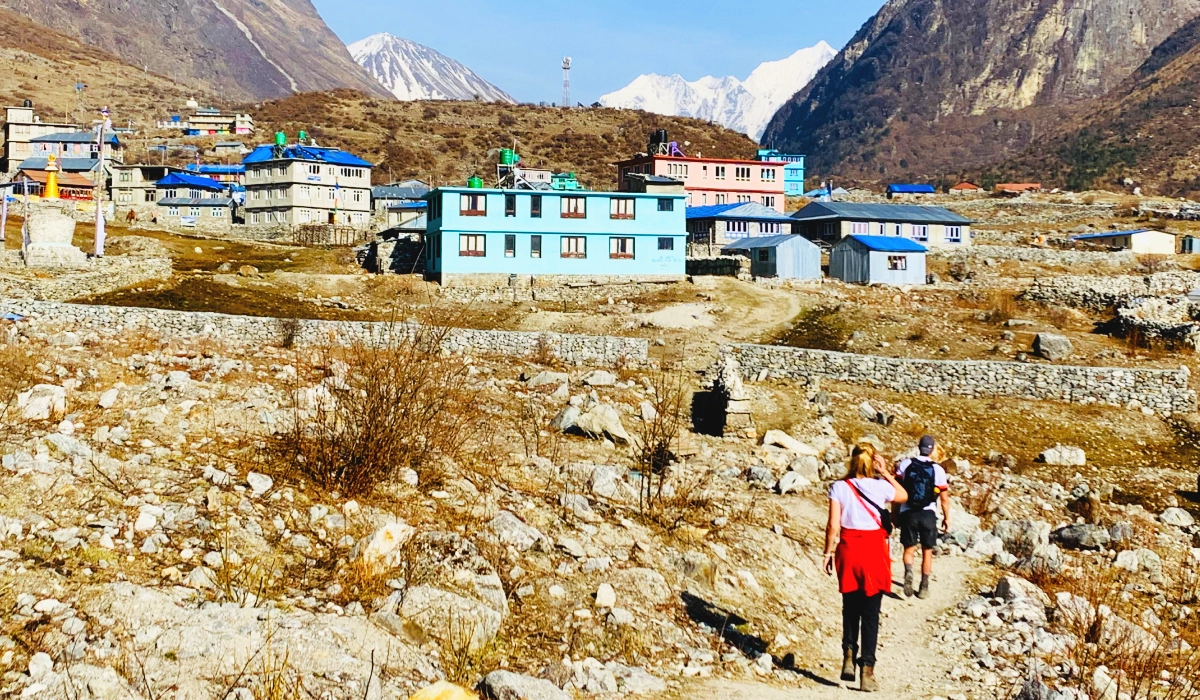
You can reach the Langtang National Park from Kathmandu with a 7–8-hour scenic drive, following the Trisuli and Bhote Koshi river valleys northward to the Tibet border.
Kathmandu to Trishuli: The drive starts with the ascent to the Shivapuri National Park forest with mountain views on clear days. Then descending from the park, the route offers a refreshing forest ride with the stunning views of the hills and the Trisuli River. Then you reach across a longer, plain road surrounded by the terraced farmlands cultivating rice, millet, and vegetables.
Trishuli to Dhunche: Witnessing the gradually changing landscape, you ascend toward the buffer zone of the Langtang National Park. You can find the routes with scattered traditional Tamang and Brahmin villages on the hillsides. As you near Dhunche, the drive starts getting glimpses of Mount Ganesh. This is the section where you enter the Langtang National Park.
Dhunche to Syabrubesi: The landscape transitions to pine, some rhododendron forests, and cliffside roads, with glimpses of barren peaks. The drive gets closer to the Tibetan border and descends to Syprubesi on zigzag roads. It is the starting point of the major treks in the Langtang National Park, like the Langtang Valley Trek and the Langtang Yala Peak Summit.
Transport Options:
- Public Bus
- Private jeep/car
- Shared Jeep
Conclusion
‘Langtang National Park is the underrated gem of the Nepal Himalayas, so close to Kathmandu yet so far from the crowd.’
Within the single protected area, there is the presence of an alpine valley like Langtang, sacred sets of glacial lakes like Gosainkunda, and magnificent mountain peaks like Langtang Lirung.
Talking about the roads or trails, they are comparatively more well-established than in the remote corners of Nepal. Travelers do not need multi-day rides or flight hassles to reach this national park. Whether you’re trekking to Kyanjin Gompa, standing before Gosainkunda Lake, or climbing toward the summit of Yala Peak, this park delivers unforgettable experiences.
So, Langtang National Park welcomes all travelers, from first-time travelers to experienced trekkers looking for an exceptional climbing journey!
Ready to explore Langtang National Park with expert guidance?
If you need guidance to visit Langtang National Park, feel free to contact Explore Vision Nepal. You can get expert advice and start your first plan to Langtang!