





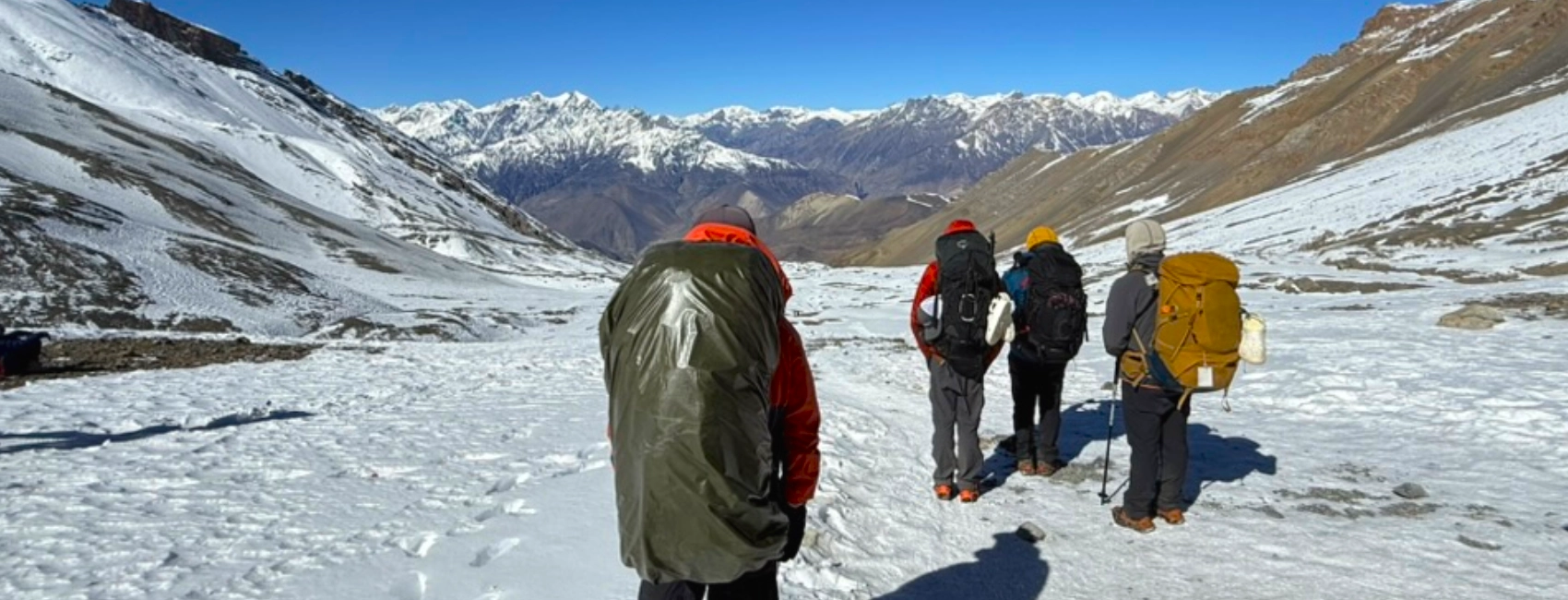

The Government of Nepal has recently issued an official notice regarding trekking permits for restricted areas. It has changed the rules for solo trekking in restricted regions, the pre-arrival permit process, and the guide-to-trekkers ratio. This update aims to make the operation flexible while maintaining security and monitoring in sensitive border areas in Nepal.
For many years, the restricted area required at least two trekkers to execute any trip plans within the zone. However, the latest update from the Department of Immigration, Nepal, has eased the traditional procedure for solo trekkers, with managed guide responsibility and pre-arrival RAP approval.
Restricted Area Permit Update 2026 – Solo Trekkers Allowed in Controlled Area has led to many discussions amongst the travel organizations and trekkers who have been eagerly waiting for this change. It has now addressed existing permit issues, itinerary planning, and group searches for solo trekkers. As a result, both foreign trekkers and trekking companies can plan their journeys with greater flexibility, opening the door for more accessible and well-organized adventures in Nepal’s restricted areas.
Here is a complete breakdown of the official immigration notice, explaining the updated rules, the pre-arrival permit process, solo trekking, what has changed, what remains the same, and how trekkers should plan treks in Nepal now.
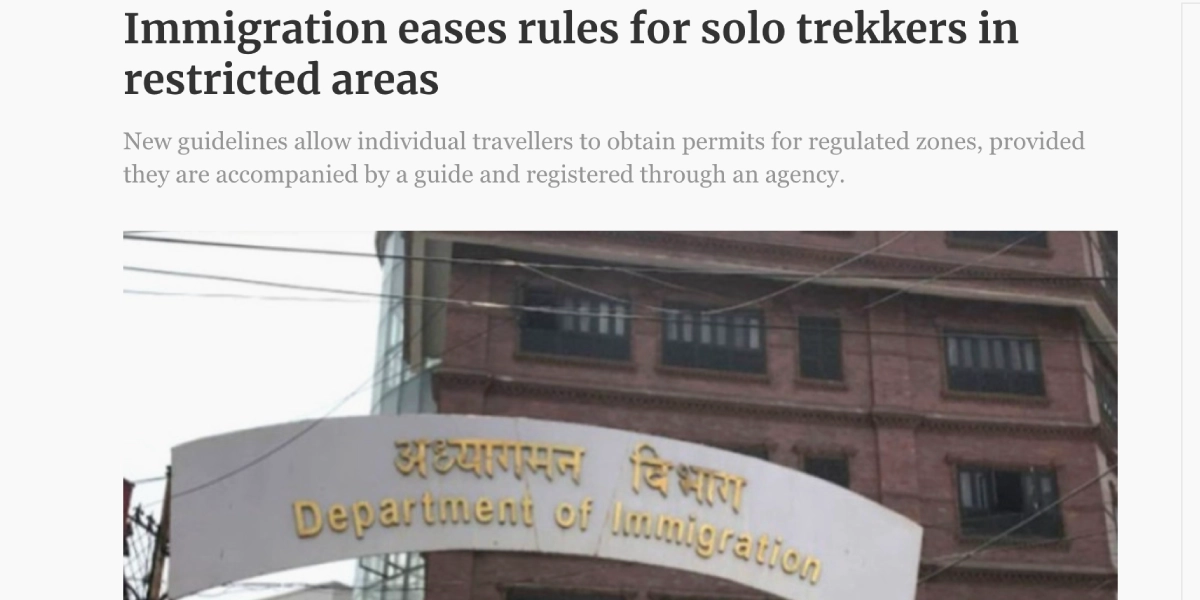
Pre-arrival RAP processing through submission ID in 2026
The 2026 trekking permit update includes the pre-arrival permit method, making it easier to secure RAP permits before entering Nepal. This ensures permits are approved in advance, especially for the remote and regulated trekking regions. With a longer process of permit applications for RAP, this update makes it easier to avoid the delays.
This system significantly reduces waiting time upon arrival in Nepal and helps agencies prepare beforehand for the trek. This is aimed at supporting tourism while limiting the government’s control of restricted areas.
How can you apply for the pre-arrival permit process for RAP?
- Apply for a Nepal tourist visa online and generate your submission ID/receipt with a barcode
- After you get your submission ID, share it with your travel agency that is registered in TAAN.
- Provide the agency with a full passport scan, 2 passport-size photos, a detailed itinerary, and travel insurance proof.
- Then you get your Department of Immigration pre-approval process done.
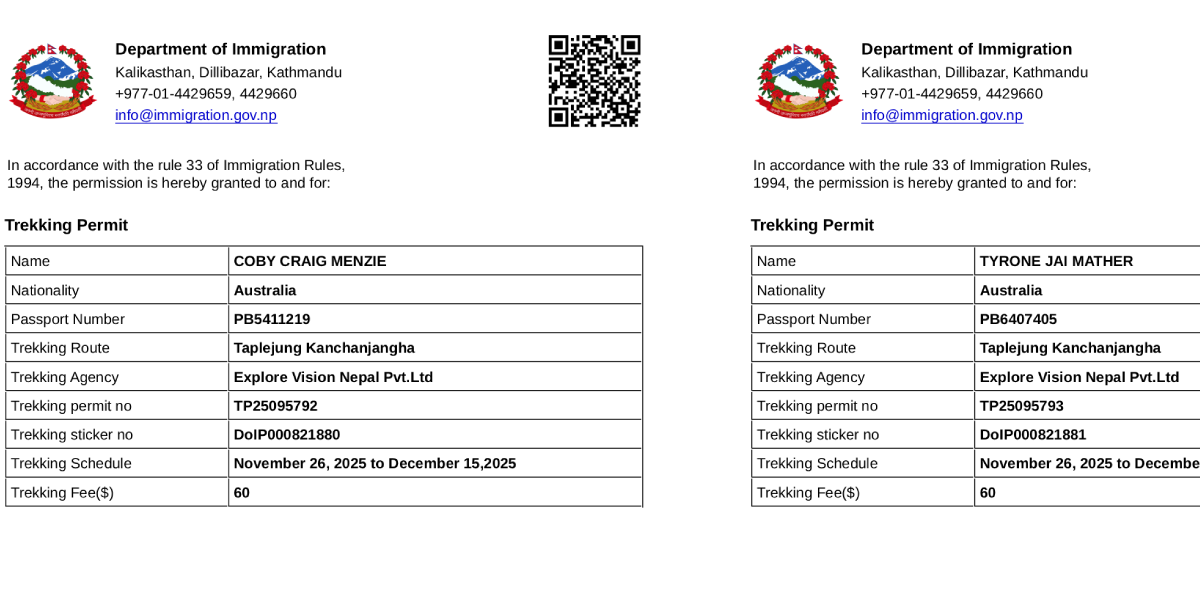
Restricted Area Permit Update 2026 – Solo Trekkers Allowed
Important: Solo trekking does not mean independent trekking.
According to the Restricted Area Permit update 2026, permits for single trekkers in Nepal’s restricted areas are now accepted. However, it must be processed by the registered travel company. And trekkers must be accompanied by a licensed guide throughout the trek.
Although the 2026 permit notice is clear, some travelers may still confuse it with independent trekking. While the permit regulations have been updated, the core rules remain the same:
- The permit must be arranged through a registered trekking agency in Nepal
- A licensed trekking guide is still required in restricted areas
- Individual trekkers cannot apply for the permit by themselves
- The trekking itinerary must be approved before the permit is issued
- All restricted area trekking must follow immigration and tourism regulations
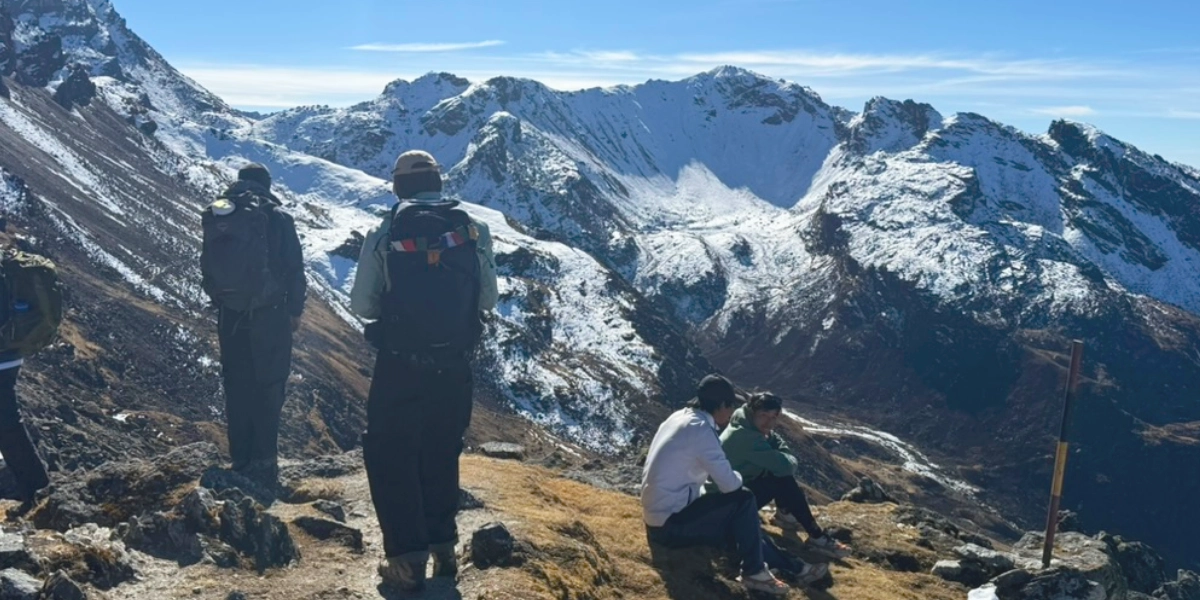
Guide responsibility under the Restricted Area Permit Update 2026
As per the notice about the guide’s responsibility for better monitoring, a proper guide-to-trekker ratio must be maintained. That is, a guide can be assigned to a maximum of 7 trekkers. If the number exceeds it, additional guides are needed for support. It allows guides to manage their group effectively.
Reason behind the Nepal Restricted Area Permit Update 2026
The notice explains that the tourism organizations and trekking agencies requested a permit change to make trekking easier and more flexible within restricted areas. With the increasing number of visitors wishing to trek alone, the minimum two-trekkers rule made planning difficult and reduced tourism potential in the restricted region.
Recognizing these considerations, the Department of Immigration has decided to allow Restricted Area Permits for single trekkers. This decision is expected to boost tourism and encourage more visitors to the remote and restricted trekking regions in Nepal.
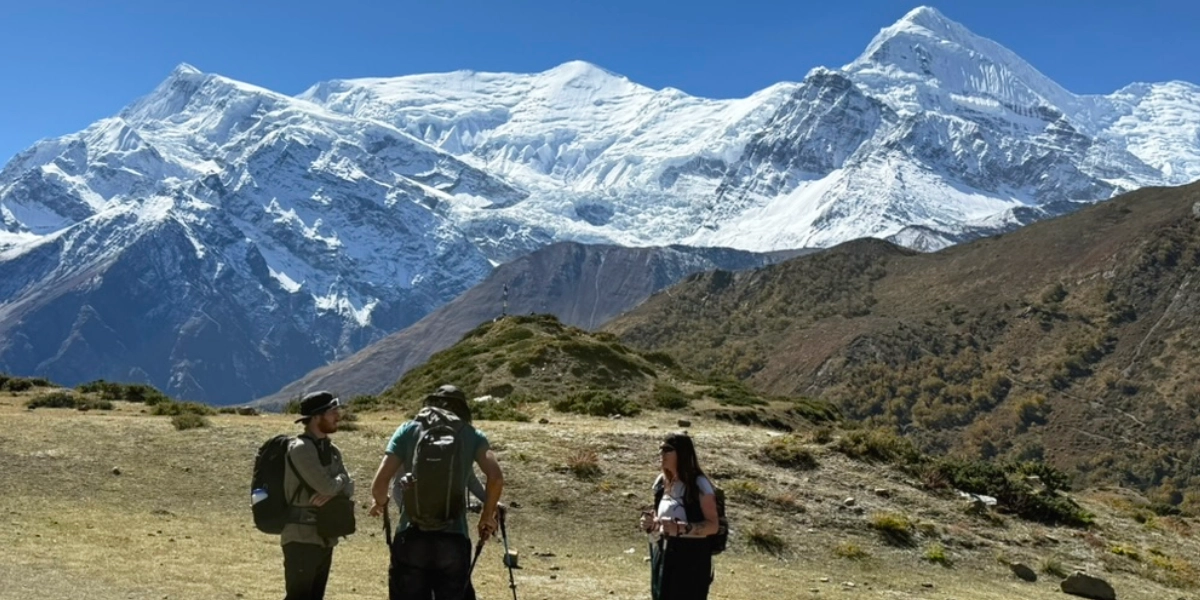
Popular trekking areas that fall under the RAP permit rule 2026
- Manaslu and Tsum Valley (around 8th highest peak)
- Kanchenjunga (around 3rd highest peak)
- Upper Mustang (around the ancient kingdom of Lo Manthang)
- Upper and lower Dolpa (Phoksundo Lake and remote Buddhist valleys)
- Nar Phu Valley (Secret and less-known valleys near Annapurna)
- Humla/Limi Valley (near the far western Tibetan border)
Restricted Area Treks in 2026 with Explore Vision Nepal
Trekking to Nepal’s restricted region is now more flexible thanks to the Latest Restricted Area Permit Update 2026 – Solo Trekkers Allowed update. While trekking in these areas requires a permit, a licensed guide, and an authorized trekking agency, our team ensures the process is smooth and hassle-free. If you are looking for a journey through a restricted area yourself, please do not hesitate to send us an inquiry regarding the latest trekking updates or the entire journey.
Wrapping Up: What Trekkers Need to Know
The new immigration notice about restricted area trekking permits is a positive change for Nepal tourism. Solo trekkers now have more flexibility, but permits, guides, and agency support are still required. Travelers should always check the latest rules and plan their trek through a trusted trekking company to avoid problems during the trip.
Now, solo trekkers can experience the beauty of remote and restricted areas of Nepal without having to search for partners. The Restricted Area Permit Update 2026 has opened the welcome path for all solo trekkers, explorers, and adventurers.
If you are planning a restricted area trek in Nepal, Explore Vision Nepal can help you arrange permits, guides, and complete trekking services according to the latest government regulations.
Additional Info Restricted Area Permit Update 2026 – Solo Trekkers Allowed
When was this permit update rule implemented?
The updated permit rule regarding the restricted areas in Nepal was announced by the Department of Immigration on March 22, 2026. The notice introduced new changes in the existing permit systems for solo trekkers in the restricted zone. This has provided flexibility in issuing permits for single travelers. This doesn’t change the fact that the permit issue must be done through the official process defined by the Department of Immigration.
Can you trek solo in Restricted areas now?
Yes, you can trek solo in Restricted areas now, but not independently. A guide is mandatory for trekking in the restricted region. The clarification is that you just don’t need more than one trekker for trekking, as the previous rule mentioned. Trekkers should understand that restricted areas are different from normal trekking routes and must take more security measures.
Can you apply for the permit for restricted treks without an agency?
No, you cannot apply for the permit individually without a travel agency. All the applications must be submitted through the authorized trekking agency registered by the government.
Is the Restricted Area Permit Update 2026 – Solo Trekkers Allowed rule finalized?
Yes, the permit updates for 2026 are finalized. But the government rules may vary from time to time, so make sure you always check the latest information with a registered trekking agency before planning the trek.
Is RAP mandatory for trekking in restricted areas?
Yes, for all the foreign trekkers entering the restricted regions of Nepal, a Restricted Area Permit is mandatory. Without a valid permit, entry in these areas is not allowed, and all permits must be obtained before the trek begins.
Are the Restricted Area Permit fees different for solo trekkers?
No, the RAP fee structures remain the same, even if you are traveling alone. Practically the only difference is that a solo trekker bears the full cost of the guide and other travel services. Whereas, in a group of two or more, the charges of these services are shared among trekkers, making the overall expenses per person lower.
How can you ensure that your Trek is fully compatible with the new rules?
To ensure you are following all the RAP rules as per the update 2026:
- You need to apply for the permit through the government-registered trekking agency only.
- You must hire a licensed trekking guide throughout the RAP zone.
- The trek should follow the official routes and borders that have been approved.
How does the 2026 RAP permit benefit foreign trekkers?
The Restricted Area Permit Update 2026 Benefits foreign trekkers in several ways:
- You get solo access to the Restricted areas without a trekking partner.
- With a mandatory licensed guide and a control group size, it maintains safety in the remote areas.
- With online applications through submission ID, it has reduced time consumption.
Can you combine multiple restricted regions under a single RAP?
No, you cannot combine multiple regions under a single RAP. Each restricted area is treated separately and has its own fees. If you need to cross from one RAP region to another on the same journey, you need to obtain both permits in advance.
Can you change your itinerary after the RAP is approved?
Minor internal changes, like additional rest days or the side tours within the same RAP boundary, are accepted with additional charges. However, you cannot change the RAP region or extend the days beyond your paid week.