
24x7 Support
+977 9851349597
Unbeatable Holiday Offers - Save Up to 20% on Your Next Adventure!



Kanchenjunga Circuit Trek
Based on 50 reviews

Duration
22 Days
Trip Difficulty
Challenging
Max Altitude:
5,142m. / 16,870ft.
Activity
Trekking/Hiking
Group Size
2-16
Best Season
Autumn, Spring
Meals
Breakfast, Lunch & Dinner
Accommodation
Hotel, Lodge, Guesthouse
Transportation
Private Vehicle - Car|Jeep|Bus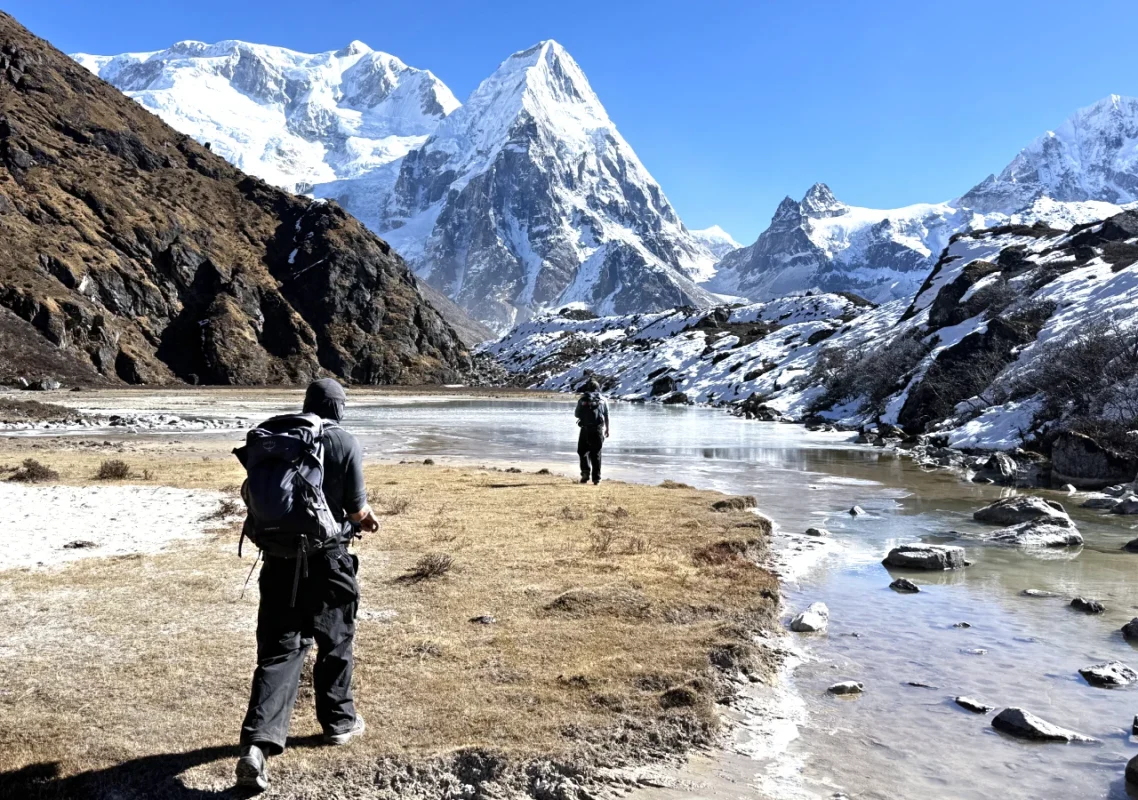
Overview of Kanchenjunga Circuit Trek
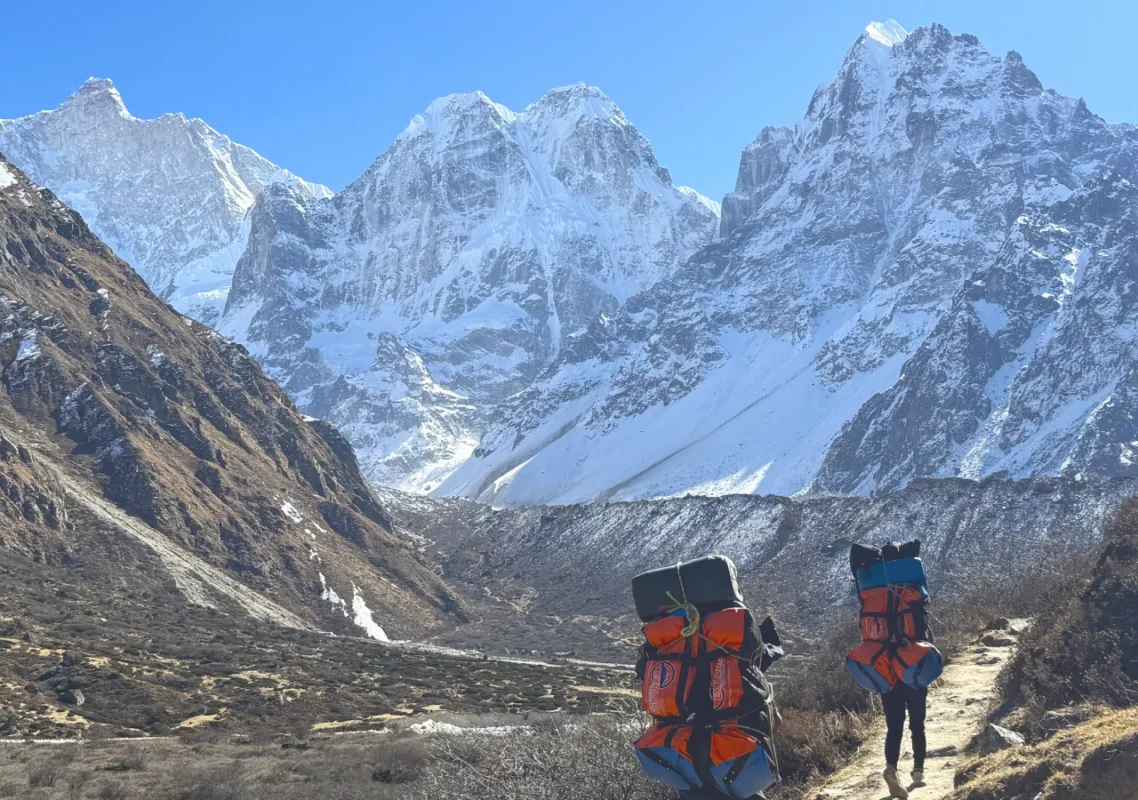
Kanchenjunga Circuit Trek is one of the least-traveled treks in eastern Nepal, which borders Sikkim and Tibet. It offers a journey around the world’s third-highest mountain, Mount Kanchenjunga. This adventure explores Kanchenjunga’s North and South Base Camp (Oktang) with a full circuit experience.
Entering the Kanchenjunga Conservation Area, the trails follow traditional ethnic homes and beautiful landscapes. You get to witness raw and unexplored Himalayan life far from the unwanted crowds. This offers a perfect mix of cultural and remote experiences.
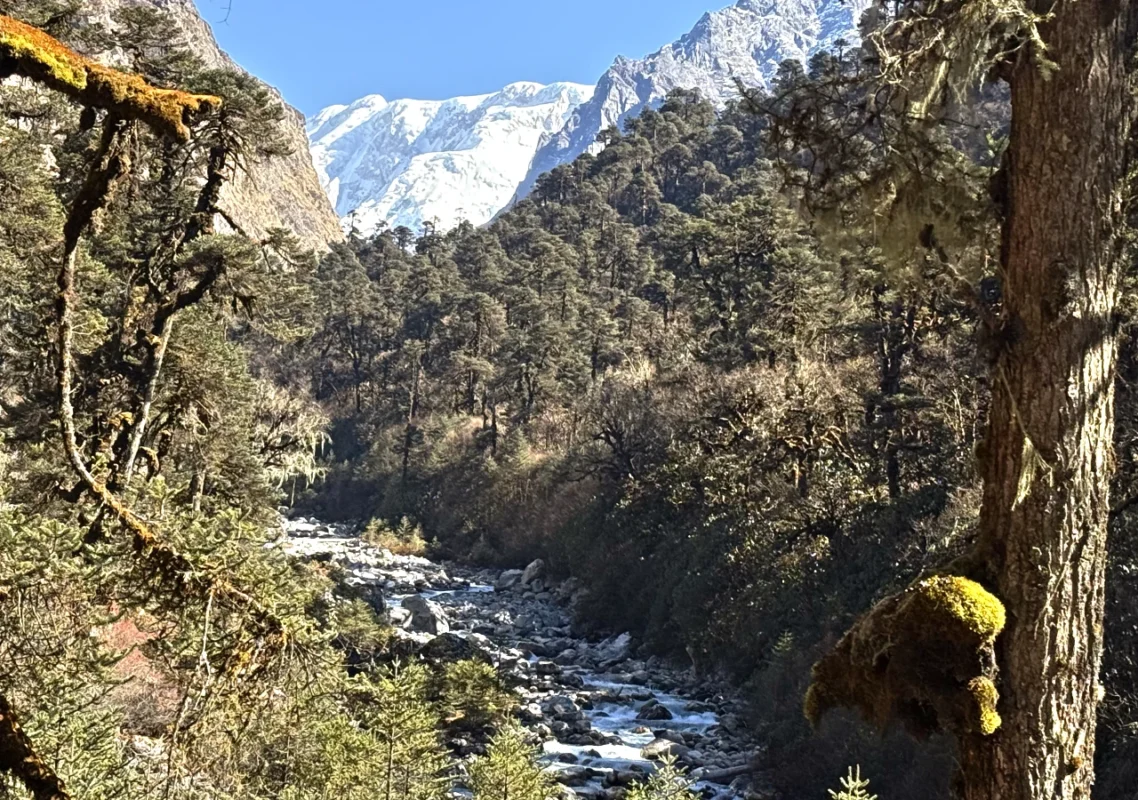
The journey passes by subtropical forests, river valleys, alpine landscapes, and glacial valleys. You get a chance to witness stunning mountain ranges, cross high-altitude passes on a challenging, rugged path. It is an adventure that tests endurance level, while providing timeless memories.
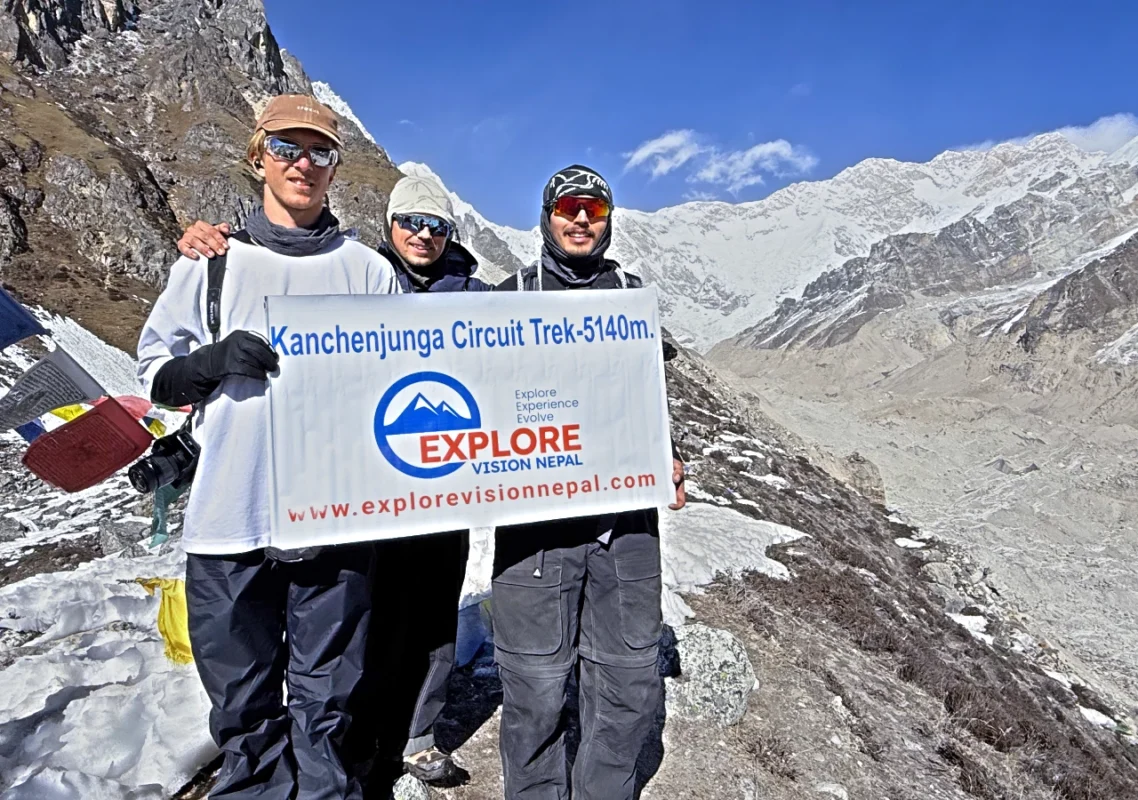
Trekking the Kanchenjunga Circuit is ideal for trekkers who love wilderness and adventure in solitude. Contact us now to plan and book your Kanchenjunga Circuit Trip, an experience in remote eastern Nepal with Explore Vision Nepal!
Kanchenjunga Trek Difficulty
The Kanchenjunga Trek is considered moderately difficult to challenging. The trail of this scenic trek goes through remote areas. It also requires crossing the high passes. During the trek, you will walk along the rocky paths and rugged terrains for around 6 to 8 hours a day.
In this region, accommodation especially at high altitude is basic. So, you need to get used to basic rooms and shared facilities. Also, having local and certified guide accompanying you is a must for a safe and manageable trek. To ensure an overall smooth adventure, you need to be fit.
You should take your time to adjust to high altitude and stay mentally prepared to traverse the rugged areas on foot. In addition, walking at gradual pace and drinking enough water are important to stay healthy and acclimatize.
While the trek indeed has some notable challenges, the trek offers marvelous scenery and exhilarating experience. With proper planning and right support, you can tackle the trek’s difficulty and also explore stunning Kanchenjunga region smoothly.
What Makes the Kanchenjunga Journey Special?
Trekking in the Kanchenjunga Region is special and truly remarkable. The journey combines nature, deep mountain culture and serenity. At Ghunsa, Kambachen, and Lhonak, the locals’ traditional ways of living can be seen.
In addition, you can also visit several monasteries along the route. By visiting the monasteries, you can feel the quiet spiritual ambiance of the region. The route offers beautiful views of glacial rivers, waterfalls and green forests.
The major highlight of this picturesque adventure is visiting the North Base Camp and South Base Camp of mount Kanchenjunga. From these iconic base camp you can witness stunning views of the world’s third highest mountain and surrounding snow clad peaks.
The trekking trails of Kanchenjunga leads you through hills, rocky moraines, and the tough high passes like Sele La which makes the journey both challenging and rewarding. You are continuously surrounded by breathtaking landscapes. The atmosphere are also peaceful as fewer trekkers undertake this trek. So, you can fully immerse yourself in the beauty, charm and serenity of the region.
Kanchenjunga Trek: Local People and Culture
While exploring the Kanchenjunga region, you will get to observe the way of life in the rural mountain area. The people from Rai, Limbu, Gurung, Sherpa, and Tibetan communities live in this region. They continue to preserve their distinctive language, cultural practices and spiritual heritage.
In the lower hills, you will meet the people from the Limbu community mainly at places like Taplejung and Yamphudin. Their warm hospitality, traditional dances, and stories of the past will make your journey engaging. In mild altitude areas, you will mainly pass through Rai and Gurung Villages.
At higher sections, you will meet people from the Sherpa community. In addition, you can see Tibetan Buddhism practices in the villages like Ghunsa and Lhonak. Along the way, you will come across prayer flags, wheels and several monasteries. At the monasteries, you can also observe monks praying and ensure a spiritually enriching experience.
In addition, the region takes you to several multiethnic villages. So, in the lower areas, you can also meet people from the Bahun and Chhetri communities. This scenic region is known for its great diversity and allows you to have a culturally enriching experience, enhancing your overall journey.
Lodging Facilities During the Kanchenjunga Trek
During the Kanchenjunga Base Camp Trek, the options for accommodation include very simple teahouses and lodges. You will stay at the small tea houses owned by locals. The rooms generally have twin beds, a mattress, pillows, a bed sheet, and blankets in each room. However, bringing sleeping bags is highly advised for warmth and comfort.
Shared bathrooms are common. Private bathrooms may be available at some places but they are rare above Taplejung. The availability of hot showers is limited in the upper sections. Most of the teahouses provide only a bucket of warm water at an extra cost. The dining halls are common and in this space, you can have warm meals and take a rest. The setup is basic but you can get to rest well and experience the best hospitality of the owners.
Food During the Kanchenjunga Base Camp Trek
Most of the teahouses along the Kanchenjunga trail prepare nutrient rich dishes with both vegetarian and non-vegetarian dishes. Most of the teahouses serve dal bhat, noodles, veggie soups, roti, Tibetan bread, porridge, potatoes, eggs and pancakes.
The menu is less varied than what you would get in the more crowded trekking areas but all dishes are prepared freshly. The trekking package includes breakfast, lunch, and dinner. Tea or coffee is served with morning and evening meals. The breakfasts and dinners are arranged at your booked lodge. The lunch spot will be at one of the eateries along the route.
Most teahouses and eateries provide hot water, for a small charge or free. The bottled water can be purchased along the trail, but it will get more expensive as you go higher. So, the more economical choice is to take your own reusable bottle and purify it through purification tablets or a filter. Packing high energy snacks is strongly recommended. Nuts and high-energy bars can give you quick strength during the long days of walking when the teahouses are far apart.
Best Time for the Kanchenjunga Trek
The best times for the Kanchenjunga trek are during Spring and Autumn. The Mount Kanchenjunga Trek is fascinating in spring (March to May). The forests are covered with colorful, blooming rhododendrons and many other Himalayan wildflowers. The weather is generally pleasant and clear. So, you can see incredible views of snowy mountains. During spring, nature is at its freshest and liveliest, which allows you to explore the Kanchenjunga trail in the most pleasant atmosphere.
Autumn (September to November) is also one of the ideal times for the Kanchenjunga Trek. The trail conditions are dry and well-defined this month. The sky is bright and visibility is crystal clear. So, you will be rewarded with the most majestic sights of glaciers and mountains.
Spring and Autumn have moderate and stable weather with very minimal likelihood of heavy rains and snow showers. The trekking paths are firm and easy to navigate. So, you can traverse easily while admiring the magnificent scenery.
In spring, you will walk through the hillsides and forests decorated with flowers. During the autumn season, you can see lush forests nourished by monsoon rains of the previous season and get treated to the clearest views of snowy mountains. Choosing spring and autumn for the Kanchenjunga trek will reward you with enchanting landscapes and ideal trails. Therefore, to witness nature in their best form, it is strongly recommended to select the spring or autumn months for trekking.
Why Book Kanchenjunga Trek with Explore Vision Nepal?
At Explore Vision Nepal, you can travel with the experts who are knowledgeable about the trekking region. We promise you a well-organized adventure with carefully planned logistics. As we take care of everything, you can focus on enjoying the mountains, culture, and beautiful landscapes without worrying about day-to-day management.
With the help of our local guides, you can explore the scenic Kanchenjunga Region safely. They provide you with all the intriguing information about the local culture, historical events, and the incredible landscapes. In addition, they work hard to turn each day joyful taking you to hidden gems of the area, allowing you to make lasting memories.
We also take care of the permits, food, lodging, and transportation. Furthermore, we design itineraries ensuring you get to bond with nature and the locals. We are service-oriented team and provide a range of complimentary essentials, including a down jacket, trekking t-shirt, duffel bag, trekking map and sleeping bag which are required for trekking in the Himalayas. We also provide a certificate upon completing the journey.
Besides, we design flexible itineraries. The itineraries can be modified according to your pace and interests. Moreover, we hire local people as our staff. We also practice eco-friendly tourism to safeguard the environment, preserve the cultural heritage, and minimize waste.
With Explore Vision Nepal, you can ensure a secure, informative and unforgettable adventure in Kanchenjunga Region.


Outline Itinerary of Kanchenjunga Circuit Trek
Day 01: Arrive At Tribhuvan International Airport (TIA), Kathmandu (1350M/4430Ft)
Day 02: Trekking Preparations Day in Kathmandu
Day 03: Fly from Kathmandu to Bhadrapur and Drive to Taplejung (1820M/5970Ft) by Jeep, Duration: 50 Minutes Flight and 7 Hours Drive
Day 04: Drive from Taplejung to Sekathum (1600M/5250Ft) by Jeep, Duration: 4-5 Hours
Day 05: Trek from Sekathum to Amjilosa (2520/8265Ft), Duration: 6-7 Hours
Day 06: Trek from Amjilosa to Gyabla (2730M/8955Ft), Duration: 6 Hours
Day 07: Trek from Gyabla to Ghunsa (3500/11480Ft), Duration: 6 Hours
Day 08: Acclimatization Day at Ghunsa
Day 09: Trek from Ghunsa to Kambachen (4050M/13285Ft), Duration: 6-7 Hours
Day 10: Trek from Kambachen to Lhonak (4780M/15680Ft), Duration: 7 Hours
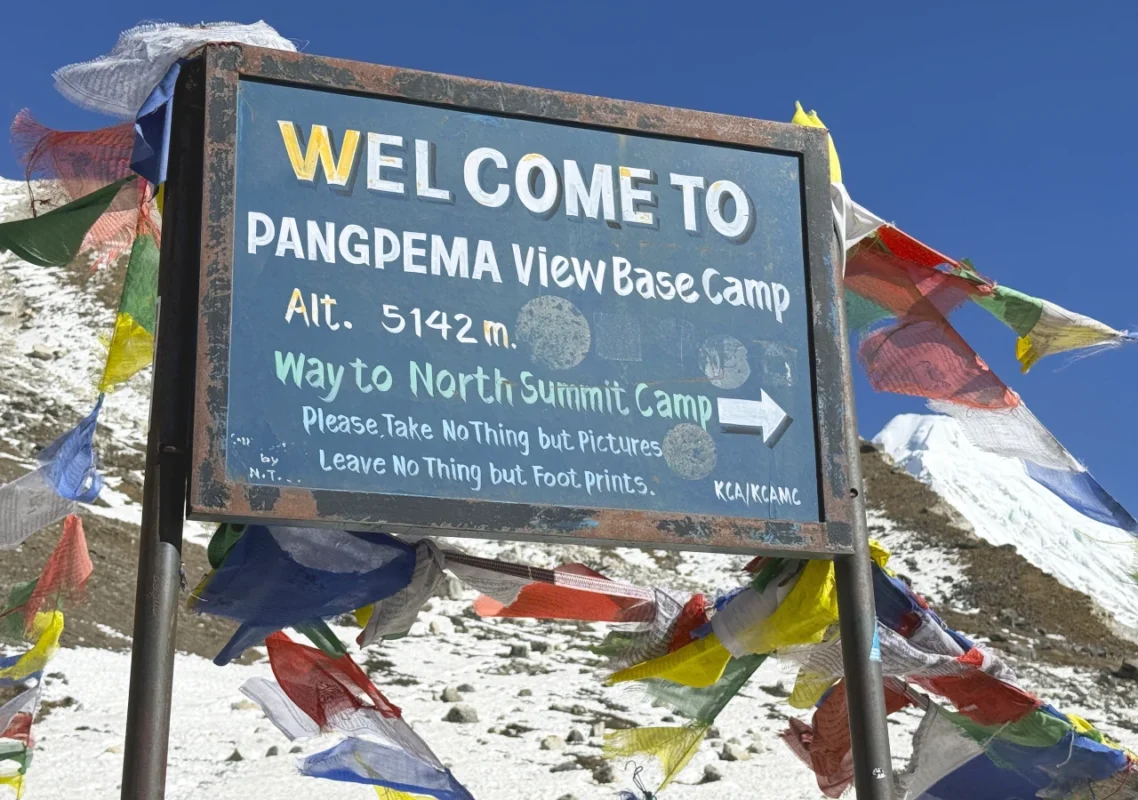
Day 11: Trek from Lhonak to Pangpema (Kanchenjunga North) Base Camp (5143M/16870Ft) and Back to Lhonak, Duration: 8 Hours
Day 12: Trek from Lhonak to Ghunsa (3500M/11480Ft), Duration: 6 Hours
Day 13: Trek from Ghunsa to Sele le Base Camp (4355M/14285Ft), Duration: 7 Hours
Day 14: Trek from Sele Le Base Camp to Tseram (3870M/12695Ft) via Sele La Pass (4290M), Mirgin La Pass (4645M), Sinon La (4650M), Sinelepcha Bhanjyang, Duration: 8 Hours
Day 15: Trek from Tseram to Ramche (4480M/14695Ft), 4 Hours
Day 16: Hike to Oktang Base Camp (4740M/15550Ft) and Back to Tseram, 7 Hours
Day 17: Trek from Tseram to Torangden / Tortong (2995M/9825Ft), 6 Hours
Day 18: Trek from Torangden to Ranipul (1600M/5250Ft), 7 Hours
Day 19: Drive from Ranipul to Kanyam (1910M/6265Ft), Duration: 8 Hours
Day 20: Drive to Bhadrapur and fly to Kathmandu, Durations: 2 Hours Drive and 50 Minutes Flight
Day 21: Extra Day in Kathmandu
Day 22: Departure/Farewell Day
Trip Highlights
- Explore the Kanchenjunga Conservation Area, a remote and unexplored protected area of Nepal.
- Opportunity to visit two base camps of Kanchenjunga, Kanchenjunga North Base Camp (Pangpema), and Kanchenjunga South Base Camp (Oktang).
- Breathtaking panoramic mountain views of Mount Jannu (also known as Kumbhakarna, the sleeping god), Kabru, Rathong, Nepal Peak, Wedge Peak, and Yalung Kang, including Mount Kanchenjunga.
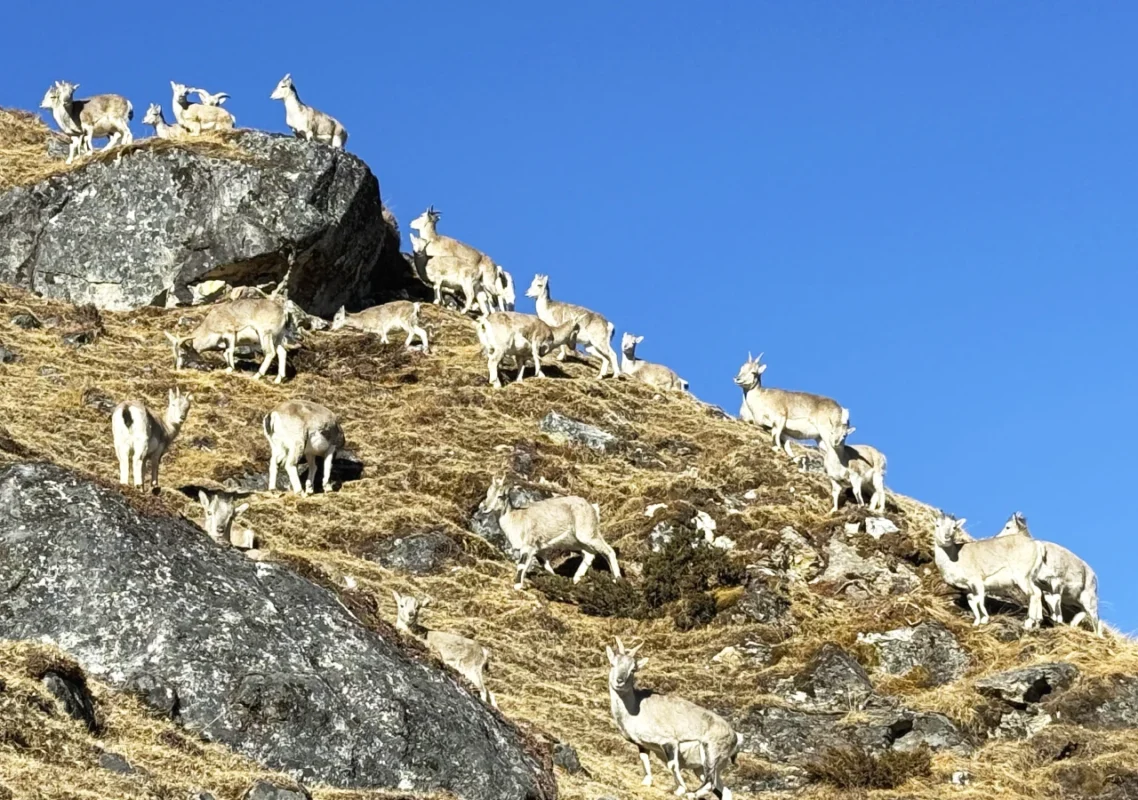
- Get a chance to witness exclusive Himalayan species like the Blue Sheep, the Himalayan Monal, and the Yaks.
- Cross high-altitude passes: Mirgin La, Sinon La, and Sinelapcha Bhanjyang.
- Experience the authentic households of ethnic groups like Rai, Limbu, and Sherpa.
- Trek beside the stunning glaciers of Kanchenjunga and Yalung.
- Feel the spirituality of the trail with occasional chortens, monasteries, and prayer flags, worshipping sacred mountains.
- Walk through the tropical forests with rhododendron valleys, local terraced fields, glaciers, and alpine terrains.
- Uncrowded and unspoiled trail of Eastern Nepal, one of the remote areas.
Kanchenjunga Circuit Trek Itinerary
01
Day 01: Arrive At Tribhuvan International Airport (TIA), Kathmandu (1350M/4430Ft)
Welcome to the country of the Himalayas! As you land at the airport and get off, you can feel a sensation of thrill, excitement, and energy. Our representative waits for your arrival with a warm heart and a postcard in hand. Then, you are transferred to your hotel.
On the way to the hotel, the representative provides you with brief information about the trip. You are free to ask any questions and discuss the trip expectations with him/her. Unpack your luggage, freshen up, and take a rest!

Activity: Drive

Accommodation: Hotel
02
Day 02: Trekking Preparations Day in Kathmandu
Today is all about getting ready for your adventure! You have a short meeting and briefing about your Kanchenjunga North Base Camp trek.
After that, the rest of the day is free for last-minute shopping, checking essential gear, or visiting nearby destinations like Swayambhunath (monkey temple) or Durbar Square.
Activity: Preparation

Meal: Breakfast
Accommodation: Hotel
03
Day 03: Fly from Kathmandu to Bhadrapur and Drive to Taplejung (1820M/5970Ft) by Jeep, Duration: 50 Minutes Flight and 7 Hours Drive
You take a short flight to Bhadrapur, a bustling town in eastern Nepal. As the plane slowly takes off, you start to get beautiful aerial views of Kathmandu city, shifting to the green hills.
Reaching Bhadrapur, a scenic jeep ride takes you through lush hills, terraced fields, and small villages like Phidim before reaching Taplejung, the starting point of your trek.
Activity: Flight and Drive
Meal: Breakfast, Lunch, Dinner
Accommodation: Guesthouse
04
Day 04: Drive from Taplejung to Sekathum (1600M/5250Ft) by Jeep, Duration: 4-5 Hours
After breakfast, you take a scenic drive to Sekathum following the Tamor River, passing waterfalls and dense forests. The road is rough but exciting, with stunning views of the Himalayan foothills.
You pass by the villages of Suketar, Sinuwa, Chhiruwa, Taplethok, and reach Sekathum. It is a small village where you spend the night before beginning your Kanchenjunga trek.
Activity: Drive
Meal: Breakfast, Lunch, Dinner
Accommodation: Guesthouse
05
Day 05: Trek from Sekathum to Amjilosa (2520/8265Ft), Duration: 6-7 Hours
The trek officially begins today. You follow the river trails of Ghunsa Khola, walk on the narrow cliffsides, and cross several bridges over it. Slowly, you enter the forest path, which is dense with bamboo trees, Oaks, and rhododendrons.
Along the way, you come across a small Limbu village named Solima with local farms. Then, you cross a suspension bridge and start a steep climb on stone stairs. The uphill is exciting and tiring. However, some of the open areas provide short glimpses of Mount Kumbhakarna on clear days that keep you going. After completing the ascent, you reach your destination, Amilosa. It is a peaceful village in the forest offering a serene and welcoming experience. This trek day is a small peek into the Himalayan Forest and a warm-up for the upcoming trekking days
Activity: Trekking
Meal: Breakfast, Lunch, Dinner
Accommodation: Guesthouse
06
Day 06: Trek from Amjilosa to Gyabla (2730M/8955Ft), Duration: 6 Hours
Today’s hike takes you deeper into the Kanchenjunga Conservation Area. You continue along the Ghunsa Khola, enjoying the views of waterfalls and thick bamboo, pine, and rhododendron forest. It begins with a slow climb, descends to the small river streams, and climbs uphill to Gyabla. It is a charming village surrounded by greenery, perfect for resting before the next day’s ascent.
On this day, the mountains are hidden behind the forest and green hills. This part of the trail embraces the natural beauty of the Kanchenjunga foothills and explores the wildlife of the area. You might see Langurs hanging around from tree to tree during the walk. The smell of mossy trees and lichens, birdsongs, and the fallen leaves decorate your welcome path.
Activity: Trekking
Meal: Breakfast, Lunch, Dinner
Accommodation: Guesthouse
07
Day 07: Trek from Gyabla to Ghunsa (3500/11480Ft), Duration: 6 Hours
As you explore deeper into the valley, the landscape slowly shifts into thin forest and wider pastures. The trail follows the Ghunsa River, passing through juniper and larch forests with rocky paths. After the trails open, you get stunning mountain views of Jannu Himal (Kumbhakarna), which is one of the popular mountains in the Kanjchenjunga region.
The day involves ascents with a mix of flat trails, a short descent to the wooden bridge, and a final stretch to the Ghunsa village. It is a beautiful Tibetan-influenced village with stone houses and an ancient monastery.
You walk along the narrow-forested route, local terraces, and pass by the settlement of Phale. Buddhist Mani walls on the way mark your journey on the land rooted in Tibetan Buddhism. Then, the way passes through a small wooden bridge covered with fluttering flags carrying the prayers of locals welcoming you to Ghunsa.
Activity: Trekking
Meal: Breakfast, Lunch, Dinner
Accommodation: Guesthouse
08
Day 08: Acclimatization Day at Ghunsa
Today is your acclimatization day to get familiar with the altitude. Proper acclimatization is crucial before heading to a higher elevation. Here is a brief description of activities you can do during the stay at Ghunsa, a Sherpa village:
Visit the local Ghunsa Gompa (monastery), a small and spiritually rooted monastery.
Take a short walk around the yak pastures and experience a typical day of the Ghunsa people.
Try traditional home-cooked foods.
Activity: Hiking
Meal: Breakfast, Lunch, Dinner
Accommodation: Guesthouse
09
Day 09: Trek from Ghunsa to Kambachen (4050M/13285Ft), Duration: 6-7 Hours
Leaving Ghunsa, the trail becomes more rugged as you walk alongside glaciers and towering cliffs. Sticking with the Ghunsa Khola, the journey continues along the pine and juniper forest before it disappears into the glacial shadows.
The experience gets off-beaten and raw with each step. Most of the parts involve uphill with some steep sections. Mount Jannu Himal (Kumbhakarna) is the major highlight as you get to see different faces of it along the way. Keep your eyes scanning as there is a high chance of spotting Blue Sheep on the rocky walls!
On the way, you come across a spot named Rampuk Kharka that provides a wide view of the valley and distant ice cliffs of Jannu. Then the views expand to the Ramtang and other snowy peaks from Lyakep. Following it, you reach Kambachen, a remote settlement with breathtaking mountain views.
Activity: Trekking
Meal: Breakfast, Lunch, Dinner
Accommodation: Guesthouse
10
Day 10: Trek from Kambachen to Lhonak (4780M/15680Ft), Duration: 7 Hours
Trekking on this day is rewarding and challenging, as the valley widens to the views of Mount Kanchenjunga (the third-highest mountain in the world). You can feel the altitude gain in your breath as it gets shorter and the glaciers get closer.
It begins on the north bank of the Ghunsa River and follows the high alpine ridges. The challenge of the day is to continue ascending to high altitude. It makes you feel tired and dehydrated. To avoid that, stay hydrated and walk slowly while enjoying the Himalayan beauty.
Take short breaks and enjoy the views of Kanchenjunga Glacier and discover the beauty of snow-capped mountains like Kanchenjunga, Mera Peak, Nepal Peak, and Jannu. With each step nearing the settlement of Lhonak, the landscape offers a dramatic Himalayan vista that is breathtaking. It is a high-altitude camping site with a stark, moon-like landscape.
Activity: Trekking
Meal: Breakfast, Lunch, Dinner
Accommodation: Guesthouse
11
Day 11: Trek from Lhonak to Pangpema (Kanchenjunga North) Base Camp (5143M/16870Ft) and Back to Lhonak, Duration: 8 Hours
Surrounded by the stunning mountains and glaciers, you begin the journey to the ultimate destination of the trek, Pangpema Base Camp. The trail is rugged and rocky along the Kanchenjunga Glacier. It begins on the flat open pasture fields, slowly shifting into the narrow edge trail.
The climb includes slow uphill, downhill, and plain flat trails. You pass by areas like Syamjo (Blue Sheep area), Thanakpu, and Jorkyu. Make sure you keep your eyes open for the Blue Sheep sighting! It is most likely seen around these areas, grazing on the rocky slopes.
From the halfway point, majestic mountains: Mt. Kanchenjunga, Nepal Peak, Tent Peak, and Wedge Peak become visible, covering the landscape. Reaching the Base Camp of the World’s third-highest mountain, Kanchenjunga, feels like a lifetime achievement.
Standing on the base of historic Kanchenjunga, enjoy, celebrate, and congratulate your support team! With this huge moment, you return to Lhonak with a collection of memories.
Activity: Hiking
Meal: Breakfast, Lunch, Dinner
Accommodation: Guesthouse
12
Day 12: Trek from Lhonak to Ghunsa (3500M/11480Ft), Duration: 6 Hours
Today, you begin to descend through the glacial land and approach the warmer zone along the streams and forest lines. You go back over the rocky trails, Pines, and local settlements of Ramtang and Kambachen.
The downhill is easier, and the landscapes get greener with each step to lower altitudes. Returning to the riverbanks, wildflowers, and forests is refreshing. So, enjoy your journey with easier breath, restocking your energy for the next day’s challenge.
Activity: Trekking
Meal: Breakfast, Lunch, Dinner
Accommodation: Guesthouse
13
Day 13: Trek from Ghunsa to Sele le Base Camp (4355M/14285Ft), Duration: 7 Hours
With the sounds of the river and birds, today, you change the track to the South Base Camp of Kanchenjunga. Leaving behind Ghunsa, you ascend on the forest trails of rhododendron, Pine, juniper, and birch. The landscape then shifts from the forest, meadows to the rocky, barren hills.
You begin by passing the wooden bridge over Selele Khola and climbing uphill. After a first climb, the terrain starts to get alpine. There are no forests and trees, only open landscapes with short grass and rocks. After the path opens and approaches the Camp, each moment offers stunning far views of Mount Jannu, Makalu, and Everest.
As the climb ends, you come across a welcome board of the Selele, reaching your destination of the day. This section is remote and uncontaminated by the human crowd. The area has a few teahouses, presenting you with a pure Himalayan experience that comes with compromises and challenges.
Activity: Trekking
Meal: Breakfast, Lunch, Dinner
Accommodation: Guesthouse
14
Day 14: Trek from Sele Le Base Camp to Tseram (3870M/12695Ft) via Sele La Pass (4290M), Mirgin La Pass (4645M), Sinon La (4650M), Sinelepcha Bhanjyang, Duration: 8 Hours
Get ready for the exhilarating thrill of crossing the dramatic passes of the Kanchenjunga region! This day tests your endurance, mental and physical determination. Along with the challenge, it rewards you with timeless views of the mountain and the high mountain Passes experience!
The journey begins with an uphill trail over a hill called Doring and continues to the first pass, Mirgin La Pass. During the ascent, you get glimpses of Mount Jannu (Kumbakarna), Makalu, Baruntse, and Chamlang, along with Mount Kanchenjunga. The scenery is windswept and untouched.
After Mirgin la, you cross the narrow ridgelines that lead to the Sinon La Pass. Ascent is like the first pass, and the landscapes get wider in this part. Completing this pass, you can find a small seasonal teahouse before the final Pass called Sinelepcha Bhanjyang. Take a brief rest before you climb the final Pass.
Crossing the final pass, the trail takes a steep descent. The terrain shifts from rugged slopes to juniper forest. You can witness the green landscapes and might catch glimpses of the Himalayan Monal. The air feels thicker and relieving as you reach your destination, Tseram. There are several teahouses serving as a perfect rest stop after an adventurous day.
The passes are high-altitude mountain passes. So, the weather conditions are unpredictable. Wear proper layered clothes with windproof and waterproof covering.
Activity: Trekking
Meal: Breakfast, Lunch, Dinner
Accommodation: Guesthouse
15
Day 15: Trek from Tseram to Ramche (4480M/14695Ft), 4 Hours
Today, the trek is short but scenic. You pass by the forests, small river streams, and reach a wide pasture valley. With an uphill along the beautiful rhododendrons and junipers, you begin the journey on the forested path. Climbing higher, the landscape starts to change and approaches barren hills.
To your front, you can witness stunning tall mountains, Mount Ratong and Kabru South, leading the way. The views include the dramatic South face of Mount Kanchenjunga. Just after leaving the forest and descending to Ramche, the scenery gets wide open to the mountains and windy fields.
Reaching Ramche, you are surrounded by the snow-capped mountains and grazing area. It gives off a remote feeling. As there is plenty of remaining time, you can take a rest or explore the surrounding area. You can also take a short walk for acclimatization.
Activity: Trekking
Meal: Breakfast, Lunch, Dinner
Accommodation: Guesthouse
16
Day 16: Hike to Oktang Base Camp (4740M/15550Ft) and Back to Tseram, 7 Hours
The journey finally extends to the Kanchenjunga South Base Camp, also known as Oktang Base Camp. The hike is challenging due to the high altitude and thin air. However, it rewards you with the breathtaking panoramic mountain views and the Yaklung Glacier views.
Leaving the pastures of Ramche, you take an uphill climb on the paths of barren hills. It is windy, remote, and rugged. Then it descends alongside the huge Yalung Glacier. It gives a wild and raw Himalayan experience.
Nearing the base Camp, the views are amazing with Mount Kanchenjunga South, Yalung Kang, Ratong, and Kabru South. The heights of mountains humble you and offer a strong sense of solitude. You can hear the echoes of mountains, glaciers, and the cold winds whistling in your ears.
After that, you make your way back towards Ramche and Tseram. The descent is easier, and you can feel your breath getting fuller. On the way back, take your final glimpses and enjoy your trek.
Activity: Hiking
Meal: Breakfast, Lunch, Dinner
Accommodation: Guesthouse
17
Day 17: Trek from Tseram to Torangden / Tortong (2995M/9825Ft), 6 Hours
You are back into the green forests and a comfortable altitude! The high-altitude days are gone! Today, the trek is within the dense forest, streams, buzzing insects, and chirping birds. Mostly, you can find the trees of rhododendrons, larch, and hemlocks. It is refreshing and refilling.
You pass by a small settlement of Anda Phedi in the middle before Tortong/Torangtden. It is a cozy place for resting and relieving your muscles. Descending on a rocky and zigzag trail can be challenging on your knees. Be careful on the steps and edges on the riverside.
Activity: Trekking
Meal: Breakfast, Lunch, Dinner
Accommodation: Guesthouse
18
Day 18: Trek from Torangden to Ranipul (1600M/5250Ft), 7 Hours
It is a long, tough descent on this day back to the beautiful hills of eastern Nepal. After leaving Torangden, you cross a suspension bridge before diving deeper into the forest. Then, following the river trails, you continue your descent journey. The trek comprises difficult sections. Most of the walk today is downhill, however, there is small uphill in the middle as well. the climb is tough and includes stone stairs with steep uphill. The steps are small and slippery, so be careful.
After about four hours hike from Torangden, you will reach Kangsara Village, this is probably the lunch place for today. then mostly downhill through the forest and local villages. You can hear the gushing river sounds all along your hike. The forest is covered in thick mosses, rhododendron trees, and hemlock trees.
Continuing downhill, you cross a wooden bridge over the river. The path continues down through the local farms of corn and barley. Then, crossing a ridge, you reach Ranipul Village.
Activity: Trekking
Meal: Breakfast, Lunch, Dinner
Accommodation: Guesthouse
19
Day 19: Drive from Ranipul to Kanyam (1910M/6265Ft), Duration: 8 Hours
Your walking part of the Kanchenjunga Circuit Trek concludes here! After a warm breakfast in early morning, you take a long and scenic drive to Kanyam in a Jeep. Kanyam is one of the most beautiful tea gardens in eastern Nepal.
After arriving, take a walk around the area, explore the garden, and the tea plants. Relax, take your moment to enjoy fresh scents of tea leaves, and reflect on your Kanchenjunga Adventure.
Activity: Drive
Meal: Breakfast, Lunch, Dinner
Accommodation: Guesthouse
20
Day 20: Drive to Bhadrapur and fly to Kathmandu, Durations: 2 Hours Drive and 50 Minutes Flight
Today, first take a short drive after breakfast, which takes you back to Bhadrapur airport. Then you take a flight to Kathmandu. Enjoy the top views of the green valley of Eastern Nepal, rivers, and hills. Take a final look at the distant views of Kanchenjunga if the weather is clear.
Returning to the city of Kathmandu feels like returning to a lively area with comfortable facilities. in your leisure time, take rest, enjoy traditional meals at nearby restaurants, and celebrate your successful journey.
Activity: Drive and Flight
Meal: Breakfast, Lunch
Accommodation: Hotel
21
Day 21: Extra Day in Kathmandu
It is an extra day in Kathmandu! You can explore the nearby areas or historic places, or shop for souvenirs. Thamel and Asan Bazaar are the best places for buying handicrafts and other items.
Or you can just enjoy the local delicacies in the restaurants, relax, and pack your belongings!
Activity: Rest
Meal: Breakfast
Accommodation: Hotel
22
Day 22: Departure/Farewell Day
For the air transfer, your guide or a representative from our team picks you up at the hotel. Then, drop you off 3 hours before the scheduled flight. Catch the final glimpses of Kathmandu alleys, stupas, temples, and prayer wheels on the drive. At the airport, our representative provides a short farewell section with a see you next time!
Activity: Drive
Meal: Breakfast

Note:
If you have a private group and prefer a personalized experience, we can organize a custom trip tailored to your requirements and group size, running it any day you choose.
Price Includes

Price Excludes

What's included?
- All ground transfers are done in a private vehicle to/from Tribhuvan International Airport
- Round-trip flight between Kathmandu and Bhadrapur
- Four nights’ accommodation with breakfast at the best 3-star category hotel in Kathmandu
- Full board meals (breakfast, lunch and dinner) with tea/coffee during the trek
- Best available twin sharing lodge to lodge accommodation during the trek
- All the necessary permits are included: Kanchenjunga Conservation Area Project (KCAP) and the Restricted Area Permit (RAP), TIMS (Trekkers’ Information Management System) card
- One highly experienced, helpful, and friendly guide and a porter including their food, accommodation, salary, equipment and accidental insurance
- Bhadrapur to Taplejung, Taplejung to Sekathum, Yamphudin to Kanyam and Kanyam to Bhadrapur Jeep Drive
- Seasonal fruits – after dinner during the trek
- Duffle bag, down jacket and sleeping bag during the trek
- Company t-shirt, trekking map and trip achievement certificate
- A comprehensive first-aid medical kit
- All government taxes and entry fees
What's not included?
- International airfare to and from Nepal
- Nepal Visa Fee (it is payable upon arrival at Tribhuvan airport, USD in cash is recommended)
- Travel insurance
- Accommodation, meals, and extra nights in Kathmandu outside the itinerary
- Personal expenses during the trek, like snacks, beverages, hot showers, charging electronics, and internet
- Tips for guide, porter, and driver
Departure Dates
Start Date
07 Apr 2026End Date
29 Apr 2026Price
US$ 2200
 Guaranteed
Start Date
11 Apr 2026End Date
03 May 2026Price
US$ 2200
Guaranteed
Start Date
15 Apr 2026End Date
07 May 2026Price
US$ 2200
Guaranteed
Start Date
19 Apr 2026End Date
11 May 2026Price
US$ 2200
Guaranteed
Start Date
23 Apr 2026End Date
15 May 2026Price
US$ 2200
Guaranteed
Start Date
26 Apr 2026End Date
18 May 2026Price
US$ 2200
Guaranteed
Start Date
29 Apr 2026End Date
21 May 2026Price
US$ 2200
Guaranteed
Start Date
01 May 2026End Date
23 May 2026Price
US$ 2200
Guaranteed
Start Date
02 May 2026End Date
24 May 2026Price
US$ 2200
Guaranteed
Start Date
03 May 2026End Date
25 May 2026Price
US$ 2200
Guaranteed
Start Date
06 May 2026End Date
28 May 2026Price
US$ 2200
Guaranteed
Start Date
07 May 2026End Date
29 May 2026Price
US$ 2200
Guaranteed
Start Date
11 May 2026End Date
02 Jun 2026Price
US$ 2200
Guaranteed
Start Date
14 May 2026End Date
05 Jun 2026Price
US$ 2200
Guaranteed
Start Date
15 May 2026End Date
06 Jun 2026Price
US$ 2200
Guaranteed
Start Date
19 May 2026End Date
10 Jun 2026Price
US$ 2200
Guaranteed
Start Date
20 May 2026End Date
11 Jun 2026Price
US$ 2200
Guaranteed
Start Date
25 May 2026End Date
16 Jun 2026Price
US$ 2200
Guaranteed
Start Date
26 May 2026End Date
17 Jun 2026Price
US$ 2200
Guaranteed
Start Date
01 Jun 2026End Date
23 Jun 2026Price
US$ 2200
Guaranteed
Start Date
02 Jun 2026End Date
24 Jun 2026Price
US$ 2200
Guaranteed
Start Date
11 Aug 2026End Date
02 Sep 2026Price
US$ 2200
Guaranteed
Start Date
12 Aug 2026End Date
03 Sep 2026Price
US$ 2200
Guaranteed
Start Date
13 Aug 2026End Date
04 Sep 2026Price
US$ 2200
Guaranteed
Start Date
14 Aug 2026End Date
05 Sep 2026Price
US$ 2200
Guaranteed
Start Date
18 Aug 2026End Date
09 Sep 2026Price
US$ 2200
Guaranteed
Start Date
22 Aug 2026End Date
13 Sep 2026Price
US$ 2200
Guaranteed
Start Date
01 Sep 2026End Date
23 Sep 2026Price
US$ 2200
Guaranteed
Start Date
02 Sep 2026End Date
24 Sep 2026Price
US$ 2200
Guaranteed
Start Date
06 Sep 2026End Date
28 Sep 2026Price
US$ 2200
Guaranteed
Start Date
07 Sep 2026End Date
29 Sep 2026Price
US$ 2200
Guaranteed
Start Date
11 Sep 2026End Date
03 Oct 2026Price
US$ 2200
Guaranteed
Start Date
18 Sep 2026End Date
10 Oct 2026Price
US$ 2200
Guaranteed
Start Date
19 Sep 2026End Date
11 Oct 2026Price
US$ 2200
Guaranteed
Start Date
20 Sep 2026End Date
12 Oct 2026Price
US$ 2200
Guaranteed
Start Date
25 Sep 2026End Date
17 Oct 2026Price
US$ 2200
Guaranteed
Start Date
26 Sep 2026End Date
18 Oct 2026Price
US$ 2200
Guaranteed
Start Date
27 Sep 2026End Date
19 Oct 2026Price
US$ 2200
Guaranteed
Start Date
28 Sep 2026End Date
20 Oct 2026Price
US$ 2200
Guaranteed
Start Date
29 Sep 2026End Date
21 Oct 2026Price
US$ 2200
Guaranteed
Start Date
01 Oct 2026End Date
23 Oct 2026Price
US$ 2200
Guaranteed
Start Date
02 Oct 2026End Date
24 Oct 2026Price
US$ 2200
Guaranteed
Start Date
03 Oct 2026End Date
25 Oct 2026Price
US$ 2200
Guaranteed
Start Date
04 Oct 2026End Date
26 Oct 2026Price
US$ 2200
Guaranteed
Start Date
05 Oct 2026End Date
27 Oct 2026Price
US$ 2200
Guaranteed
Start Date
06 Oct 2026End Date
28 Oct 2026Price
US$ 2200
Guaranteed
Start Date
07 Oct 2026End Date
29 Oct 2026Price
US$ 2200
Guaranteed
Start Date
11 Oct 2026End Date
02 Nov 2026Price
US$ 2200
Guaranteed
Start Date
14 Oct 2026End Date
05 Nov 2026Price
US$ 2200
Guaranteed
Start Date
17 Oct 2026End Date
08 Nov 2026Price
US$ 2200
Guaranteed
Start Date
18 Oct 2026End Date
09 Nov 2026Price
US$ 2200
Guaranteed
Start Date
19 Oct 2026End Date
10 Nov 2026Price
US$ 2200
Guaranteed
Start Date
24 Oct 2026End Date
15 Nov 2026Price
US$ 2200
Guaranteed
Start Date
26 Oct 2026End Date
17 Nov 2026Price
US$ 2200
Guaranteed
Start Date
29 Oct 2026End Date
20 Nov 2026Price
US$ 2200
Guaranteed
Start Date
01 Nov 2026End Date
23 Nov 2026Price
US$ 2200
Guaranteed
Start Date
02 Nov 2026End Date
24 Nov 2026Price
US$ 2200
Guaranteed
Start Date
03 Nov 2026End Date
25 Nov 2026Price
US$ 2200
Guaranteed
Start Date
06 Nov 2026End Date
28 Nov 2026Price
US$ 2200
Guaranteed
Start Date
09 Nov 2026End Date
01 Dec 2026Price
US$ 2200
Guaranteed
Start Date
11 Nov 2026End Date
03 Dec 2026Price
US$ 2111
Guaranteed
Start Date
15 Nov 2026End Date
07 Dec 2026Price
US$ 2200
Guaranteed
Start Date
18 Nov 2026End Date
10 Dec 2026Price
US$ 2200
Guaranteed
Start Date
22 Nov 2026End Date
14 Dec 2026Price
US$ 2200
Guaranteed
Start Date
27 Nov 2026End Date
19 Dec 2026Price
US$ 2200
Guaranteed
Start Date
01 Dec 2026End Date
23 Dec 2026Price
US$ 2200
Guaranteed
Start Date
02 Dec 2026End Date
24 Dec 2026Price
US$ 2200
Guaranteed
Start Date
03 Dec 2026End Date
25 Dec 2026Price
US$ 2200
Guaranteed
Start Date
07 Dec 2026End Date
29 Dec 2026Price
US$ 2200
Guaranteed
Start Date
10 Dec 2026End Date
01 Jan 2027Price
US$ 2200
Guaranteed
Trip Information
Kanchenjunga Trek Cost
The cost of the Kanchenjunga trek ranges around US$1800 to US$3000 per person, cost basically depends on group sizes and inclusions within the trip package. The trek package includes the necessary permits that are needed for the Kanchenjunga region. During the trek, the best rooms at the local teahouses are reserved for the trekkers, with their cost covered by the package.
The Kanchenjunga Trek package also includes three daily meals (breakfast, lunch and dinner). Transportation costs from Kathmandu to the trailhead and back (flight or on road) are also covered.
The trek is led by experienced and government-licensed guides who manage the navigation, safety, and communication support during the whole journey. In addition to guiding services, the package also includes porter support. They will carry your luggage and make your travel on long and steep trails easier. Their salary, insurance and food costs are also part of the package.
Our package also covers the cost of Kathmandu hotel accommodation and airport transfers. The experts take care of all logistical challenges with cost covered by the package, ensuring a smooth and hassle free journey.
Why Choose Kanchenjunga Circuit Trekking? Mountain, Passes and Key Attraction of the Region
The trail begins in low river valleys filled with rice terraces and cardamom fields, then slowly climbs into rhododendron forests, glacial valleys with snowy mountains. As the altitude rises, the landscapes shift from bamboo forests to icy moraines, frozen glaciers, and high passes. It then opens to views that stretch across Everest, Lhotse, Makalu, and Kanchenjunga itself.
Along the way, trekkers encounter traditional Himalayan villages, filled with the warm hospitality of Limbu, Rai, Sherpa, and Tibetan Buddhist communities. Known as “The five treasures of Snow”, the mountain range is sacred to the local communities who believe it shelters five divine treasures.
Unlike Everest or Annapurna, Kangchenjunga is untouched by mass tourism. The range rises with five magnificent summits—Main, South, Central, West (Yalung Kang), and Kangbachen—guarded by immense glaciers that feed some of South Asia’s great rivers.
Its remote trails, wild landscapes, and deep-rooted spirituality make it a destination for true explorers. It’s a journey into forgotten valleys, through villages where traditions remain unchanged. Every step here feels like entering a hidden world!
Kanchenjunga Trek Major Attractions
- Witness diversity of flora and fauna of the Kanchenjunga Conservation Area.
- Visit serene monasteries along the routes.
- Experience the culture and daily life of the Sherpa and Limbu communities
- Trek to the North and South base camps of Kanchenjunga
- Pass through the high altitude passes like Sele La and Mirgin La.
- Get mesmerized by the breathtaking sunrises and sunsets above the Himalayan mountains.
- Stunning views of mountains like Jannu, Kambachen, Kabru, Kanchenjunga and many other peaks.
- Walk through off beaten trekking routes with a tranquil Himalayan atmosphere.
- Several opportunities for photography.
Kanchenjunga North Base Camp (Pangpema)
Pangpema is popularly known as Kanchenjunga North Base Camp. It is a remote and remarkable viewpoint in the eastern Himalayas. It is situated at an elevation of 5,143 m. This point is renowned for offering panoramic views of the snow clad peaks like Jannu, Mount Kanchenjunga, Yalung Kang and surrounding ranges.
The trail that takes you to Pangpema is challenging but also rewarding. It gives adventurers a chance to experience both natural beauty and the quiet isolation of the region. Kanchenjunga North Base Camp’s altitude is high and the area is very remote. So, trekkers hike to this scenic area from Lhonak. They explore the area and head back towards Lhonak for an overnight stay.
The base camp is surrounded by enchanting, rugged terrain and glaciers. Reaching this base camp is one of the notable highlights of the trek which fills you with deep sense of accomplishment.
Kanchenjunga South Base Camp (Oktang Viewpoint)
Kanchenjunga Trek also takes you to scenic South Base Camp. It is situated at an altitude of 4,730 m. You will hike from Tseram to reach this picturesque viewpoint.
The trail leading to this base camp follows the Yalung Glacier. Walking along the serene paths, you will reach this viewpoint. Here, you will be rewarded with an impressive south face of Kanchenjunga. From the vantage point, you can also see nearby peaks such as Kabru, Rathong, and many more.
You can observe the exceptional scenery from this scenic viewpoint. You can fully admire the beauty of the Kanchenjunga region, take photographs capturing beautiful scenery of the Himalayan terrain.
Sele La Pass
In high altitude part of Nepal’s eastern Himalayas, the Sele La Pass provides a spectacular route between the northern and southern regions of Kanchenjunga. The pass’s altitude is 4,290 meters. It rewards trekkers with the stunning Himalayan views.
Navigating Sele La Pass is adventurous and also offers solitude. To cross this pass, you will make your way from Ghunsa, walk through the beautiful ridge side and enjoy the marvelous scenery. The stunning views of Kanchenjunga, Jannu, Makalu and many other peaks can be seen from the top of this pass.
To cross Sele La safely, you need to carry proper gear and be well prepared. Reaching the top of this pass rewards you with an unforgettable Himalayan experience.
Mirgin La
Mirgin La Pass stands out prominently as one of the scenic passes in the Himalayas. This ridge, approximately, is situated at 4,663 meters. It serves connecting point between the two valleys, the Ghunsa Valley and the Yangma Valley. It provides a significant passage for trekkers who are heading up to Yangma or Oktang.
What makes Mirgin La unique is its breathtaking mountain view. The view from the very top of the pass rewards you with a close-up view of Mt. Kanchenjunga and other great peaks such as Kabru, Ratong, and Kumbhakarna (Jannu). The combination of untouched nature, magnificent mountains and the wide open Himalayan panoramas makes Mirgin La pass one of the most amazing experiences throughout the entire Mt.Kanchenjunga trek.
Sinion La Pass
Sinion La Pass lies at an elevation of 4,440 m. This demanding high altitude pass is one of the scenic highlights of the Kanchenjunga trekking route. You will cross this pass to reach Tseram from Selele.
Reaching the top of Sinion La requires effort and focus. You have to climb steep path that weaves through rocky sections, ice patches and narrow ridges. Yet, as you ascend, the panoramic views of the Kanchenjunga range and surrounding Himalayan peaks can be seen. Thus, this tough climb is unforgettable for those wanting to experience high altitude thrills.
Incredible Mountain Views During the Kanchenjunga Base Camp Trek
The Kanchenjunga trek offers spectacular mountain views. As you ascend you can see the snowy mountain closer. The trek offers awe inspiring views of snow clad peaks like Jannu, Tent Peak, Twins, Rathong, Kabru, Talung Peak, Nyukla Lanchung and the stunning Kanchenjunga itself.
If you love photography, this trek provides several chances to capture beautiful landscapes and untouched Himalayan beauty at every turn.
Importance of Travel Insurance for the Kanchenjunga Circuit Trek
The Kanchenjunga Trek is one of the most remote treks in Nepal. It takes the trekkers through isolated areas and High Mountain passes. While trekking in this region is truly invigorating, there are also some risks involved. Altitude sickness, unexpected weather changes, trekkers falling sick or injured are some of the main difficulties that every trekker should be aware of.
In such areas, medical assistance is very limited. Some cases may also require evacuation by helicopter. Getting an ill or injured person out by helicopter can be very costly without insurance. So, if you want to be financially protected against such needs, make sure to purchase an insurance policy that covers high-altitude trekking and also includes emergency rescue service when needed.
You need to be aware of the policy and choose the one that covers medical bills, trip cancellations, delays, or lost luggage. Having right travel insurance helps you trek with peace of mind, as you will be assured that you are financially protected in case of injury or any unexpected problems during your journey.
How is Safety Managed At the Kanchenjunga Trekking Route?
During any kind of adventure, safety should always be the main priority. The experienced guides carry well-stocked first-aid kits needed for treating minor injuries, altitude sickness, and other common health issues. Likewise, they also know how to manage emergencies. So, they provide first aid and also arrange medical care when needed.
Teahouses, lodges, and checkpoints along the route generally provide real-time weather and trail updates. Guides will also check the weather forecast regularly and will make sure that you head out only when conditions are secure. Additionally, the guides are in touch with the rescue teams so that help can be dispatched immediately when needed during emergencies.
Regulations for the Kanchenjunga Trek
Kanchenjunga Base Camp Trek requires obtaining special permits as it is a restricted area. The Special Restricted Area Permit along with Kanchenjunga Conservation Area Permit is required for this trek.
The restricted area permit is a must for reaching the villages in the protected zones. This permit cannot be obtained individually. A registered trekking agency based in Nepal has to apply for it on your behalf. In addition, a certified trekking guide must accompany you for the whole trek.
This rule has helped a lot in maintaining safety. Besides, the guide’s company means that they will look after your safety and also provide insights on local culture, tradition and customs. At Explore Vision Nepal, we take care of all the permit management. However, it is still good to be aware of how the permit system functions and know about the regulations before the start of your journey.
Kanchenjunga Trek Permit Fees
Kanchenjunga Conservation Area Permit: The fee depends on your nationality: for Nepali citizens, it is NPR 100, for SAARC nationals, it is NPR 500 (US$5), and for international trekkers, the permit costs NPR 2000 (around $15).
Restricted Area Permit: US$20 per week for the first four weeks and then US$25 for each additional week.
Remote Trail Conditions in Kanchenjunga Region
As a less-traveled area, the trail conditions are rugged and different from other trekking regions. Here are some of the trail conditions you can expect during your Kanchenjunga Circuit Trekking:
- The paths are narrow, and some sections include walking along the Cliffside.
- Rocky and uneven paths.
- The ascents and descents are steep.
- Teahouses along the trail are limited and offer basic accommodation.
- ATM facilities are not available, and the mobile networks are not reliable.
Prepare Your Body for the Trek
It is a long trek with high passes, rugged trails, and long hours of walking. You need to prepare physically to have a comfortable trekking experience. Here are some of the things you can do before the trek to prepare yourself:
- You can do light training before the trek
- Practicing short hikes with backpacks
- Yoga or stretching before the trek
- Breathing exercises
- Walking, jogging, or cycling
Pack Your Essentials
For clothing
- Base layers (Thermals)
- Windproof and waterproof jacket
- Quality down jackets
- Pair of T-shirts and trousers
- Gloves (light inner gloves and warm outer gloves)
- Extra pair of socks
- Buff or neck gaiter
- Sun Hat or Cap, Warm hat/beanie
- Comfortable trekking boots
- Comfortable walking Shoes or slippers
Personal items
- Trekking poles
- Trekking packs 30-45 liters
- Sunscreen and sunglasses
- Towels
- Lip balm
- Reusable water bottles
- Extra batteries and power bank
- Journal
- Toilet paper
FAQs for Kanchenjunga Circuit Trek
 General
You can reach the Kanchenjunga area on a short domestic flight from Kathmandu to Bhadrapur. From there, you will drive via the eastern hills and reach either Taplejung or Suketar, both common starting points for this trek.
You can also choose a long route from Kathmandu entirely by road. However, it takes a lot of time and energy. Once you reach the trailhead, the trail gradually takes you toward the Kanchenjunga Conservation Area and deeper into the eastern Himalaya.
Yes, you can get customized itinerary. You can just reach out to us for the itinerary. We will then design the best personalized plan. We will craft it on the basis of your preference, acclimatization needs and schedule.
Nepal has been a dream destination for trekkers because of its stunning Himalayan landscapes and exceptional trails. From cultural trek to the most demanding high altitude expedition, anything is possible in Nepal.
Along the trails, you can explore ancient monasteries, terraced hillsides, and ethnic communities that have preserved their traditions for generations. The warm hospitality and well-designed trek packages make Nepal one of the best trekking destinations in the world.
Yes, locals in the Kanchenjunga area do speak some English but mainly those working in tourism. The owners of the main trekking lodges and those involved in tourism guides, porters and lodge owners can also speak English. They are used to interacting with trekkers and can speak quite clearly.
In the remote villages, locals mostly speak Nepali or their own languages. Even so, communication rarely becomes a barrier as your guide can translate if necessary and ensure friendly interaction along the trail.
Yes, trekking in the Kanchenjunga Region is safe and secure if you are well prepared. In addition, you must follow regulations and join the trek with a licensed guide for safe navigation. The trails of this region are much quieter than in popular trekking areas which makes your experience peaceful. However, you need to be mindful of challenges. Also, having experienced guides around, trekking slowly and giving enough time for acclimatization is a must for secure and joyful adventure.
The maximum elevation you will reach during the Kanchenjunga Trek is at 5,143 m in Pangpema. Reaching this scenic high point is quite challenging, but the exceptional panorama of the Himalayas will leave you in awe.
 Preparation & Fitness
For the Kanchenjunga Circuit trek, you need good physical fitness. During this trek, you will be in remote and high altitude areas for long days. You will make your way through many uphill and downhill stretches. So, a strong endurance, balance and overall stamina are needed for walking comfortably.
You can begin training for the trek 2 to 3 months in advance of your departure. Many experts recommend training for the trek including cardio and strength exercises. Cardio exercises like jogging, swimming, cycling, stair climbing or weekend hikes are recommended. These exercises can help develop endurance you need for the adventure.
Likewise, you can also do squats, planks, step ups, deadlifts and lunges. This strength training will provide you with better stability and help you traverse rugged mountain surfaces smoothly.
You need to prepare yourself mentally for Kanchenjunga Trek. Remote trail, high altitude and long trekking days are major challenges of this journey. So, to be mentally prepared, make sure to research about trail conditions. Also, be aware about factors contributing to trek difficulty before trekking.
Having patience, flexibility and a positive mindset is important during rough times. A simple mindfulness practice or the visualization of overcoming a challenge and completing the adventure successfully helps you stay calm and motivated throughout the adventure
 Insurance & Visa
Yes, it is quite easy to obtain a visa on arrival at Tribhuvan International Airport in Kathmandu. After landing, you can complete the immigration form, apply for a visa for 15, 30, or 90 days, according to your length of stay. You may also apply for it online and get it in advance.
Upon your arrival, the Explore Vision Nepal team will be there to greet you. We will then directly take you to your hotel after a short welcome session.
Furthermore, we will also take care of the hotel check in, provide you with a trek summary and respond to your queries. This will facilitate a hassle free and relaxing beginning of your trip.
 Guides & Support Staff
Yes, guides and porters’ support is a must for the smooth completion of the Kanchenjunga Trek. As the Kanchenjunga region is a restricted area, being accompanied by a licensed guide is a must.
Also, with Porter’s support, you can traverse the varied trails smoothly. They will carry your main baggage, which can help you walk at your comfortable pace on the trail. So, the guides and porters’ assistance is needed to fully enjoy the adventure.
Yes, the guides can speak English. All our guides leading treks are experienced and have good communication skills. They will explain to you the techniques of navigation. They will also share intriguing stories about the region making your adventure intriguing and exhilarating.
 Health & Safety
Altitude sickness is one of the significant concerns during Kanchenjunga trek. However, you can reduce your chances of getting altitude sickness and adapt to the Himalayan environment by ascending gradually, staying well hydrated and having nutrient rich meals along the route.
Being attentive to your body’s reaction and heading to lower zones if symptoms don’t get better is a must to stay safe. You may also carry medicines like Diamox, which is known for the prevention of symptoms related to altitude sickness but consultation with a doctor prior to trek is highly recommended.
Acclimatization days on the Kanchenjunga Trek are generally scheduled in Kambachen and Ghunsa. As acclimatization is important, make sure to follow the planned schedule and stay flexible if more days are needed for acclimatization.
When you get sick, your guide will check your condition. For minor problems, rest, hydration and some general medicine will work and you can continue the trek after rest. However, if the symptoms persist or worsen, and you need immediate medical care, your guide will arrange the emergency evacuation.
During an emergency, the first thing to do is to notify your guide without any delay. During this trek, licensed guide will be with you. Your guide can make quick decisions based on the situation.
The guide will assess the emergency and depending and provide first aid. They might suggest that you rest or even take you to the nearest place where medical help is available. If the case is severe, the guide can call for emergency evacuation by helicopter.
 Packing & Gear
You need to bring multiple layers of clothes to adjust to shifting temperatures. You should pack moisture wicking base layer, warm mid layer and outer layers (waterproof / wind resistant jacket). The weather at higher sections of Kanchenjunga changes rapidly and is mostly cold. So, packing warm clothes is a must.
Also, pack trekking shirts, trekking pants and shorts. Gloves, scarves, beanies, and socks are also required for staying warm at higher elevations of the Kanchenjunga region. Packing light, while also including all essentials, keeps you comfortable throughout the trek.
Kathmandu has numerous outdoor shops, especially around Thamel and Asan. You can rent or purchase any trekking essentials. Make sure to check quality before purchasing for a comfortable experience on the trail.
Most of the hotels in Kathmandu provide safe luggage storage facilities. At hotels, you may leave your stuff that is not required for trekking. We can also arrange a safe place for your extra bags.
The trail of the Kanchenjunga trek is rugged, rocky and uneven. So, you need to wear strong waterproof hiking boots with strong ankle support. Also, pack camp shoes that are light in weight for evenings to give your feet time to relax.
For smoothly traversing the varied trails of the Kanchenjunga Trek, you need to pack the following trekking gear:
- Day pack
- Trekking Poles
- Torch
- Headlamps
- Good quality Sleeping Bag
- Trekking/Hiking boots
In your small daypack, you should carry the required items that you need during the day. You need to pack a water bottle or sunscreen, snacks, sunglasses and a rain cover. Also, keep a small first-aid kit, personal medicine, a map, a down jacket and a headlamp in an easily reachable compartment of your backpack.
Note: You may bring your own personal gear or clothes according to your wishes. However, we can also provide a down jacket, trekking t-shirt, duffel bag, and Kanchenjunga Circuit trek map. You can take these items from us and simply return them after your trek.
 Booking & Payment
For booking the Kanchenjunga Trek Package, you need to simply fill out reservation form and confirm the preferred dates. Afterwards, you may pay around 15% of the total cost as a deposit. After we receive the deposit, we will confirm the trek for your preferred dates and your booking will be secured. You may also choose to pay the full amount on reservation.
We have flexible payment options. You can reserve the Kanchenjunga Trek package through bank transfers. We also accept online payment. You may also choose to pay in cash. You can choose to pay in any of these options according to your preference.
When you cancel ahead of time, partial refund is available based on your notice period to us. However, for last minute cancellations refunds are not available. So, if you need to cancel, make sure to inform us early. Early communication can help us reduce losses on both sides.
Yes, it is possible to reschedule the trek’s date. We know that sometimes your personal schedule can change unexpectedly. So, just let us know if you want to change the date and we will help you with process.
 Optional Expenses
For the Kanchenjunga Trek, you may carry US$200 to US$350 to cover personal expenses that are not included in the package cost. We highly recommend carrying Nepalese Rupees.
Most tea houses and shops along the trail do not accept online payments or cards. So, cash is more reliable.
Tips are not included in Kanchenjunga Trek package. Tipping is considered a kind gesture to appreciate guides and porters’ effort throughout the trek.
Trekkers generally set aside about 10% to 15% of the total trip cost for the support team. However, you can tip according to your wish on the basis of the service you received and your satisfaction.
Trekkers generally hand over tips after finishing the trek. Some also choose to give tips during a final meeting or farewell. Trekkers usually give it directly to each team member in cash.
Tipping your support team directly is the perfect way to show your gratitude and encourage them to continue providing excellent support to future trekkers.
You may exchange currency in Kathmandu before your trek commences. The Kanchenjunga region is among the most serene and remote areas of Nepal.
There are no banks or reliable ATMs along the route. So, you need to carry enough cash for personal expenses throughout your journey by exchanging it in the city.
 Connectivity & Transaction
During the Kanchenjunga Trek, the charging facilities are available in the lower villages. However, the power can become scarce as you move to higher sections.
Most teahouses in the higher sections usually depend on solar energy. So, charging may be slow on cloudy days. Thus, we advise you to bring a power bank. You may also bring a small solar charger.
You can buy a local NTC SIM card for personal use. However, mobile coverage only works at a lower altitude. Wi-Fi is usually available until Taplejung. However, after this place, it becomes unreliable or may not be available at completely. If an emergency arises, your guide will reach out to the rescue team or us through satellite phones.
Trip Reviews


Keep Exploring