



24x7 Support
+977 9851349597
Unbeatable Holiday Offers - Save Up to 20% on Your Next Adventure!




Duration
14 Days
Trip Difficulty
Difficult
Max Altitude:
5,106m. / 16,752ft.
Activity
Trekking
Group Size
2-20
Best Season
Autumn, Spring
Meals
Breakfast, Lunch & Dinner
Accommodation
Hotel, Lodge, Guesthouse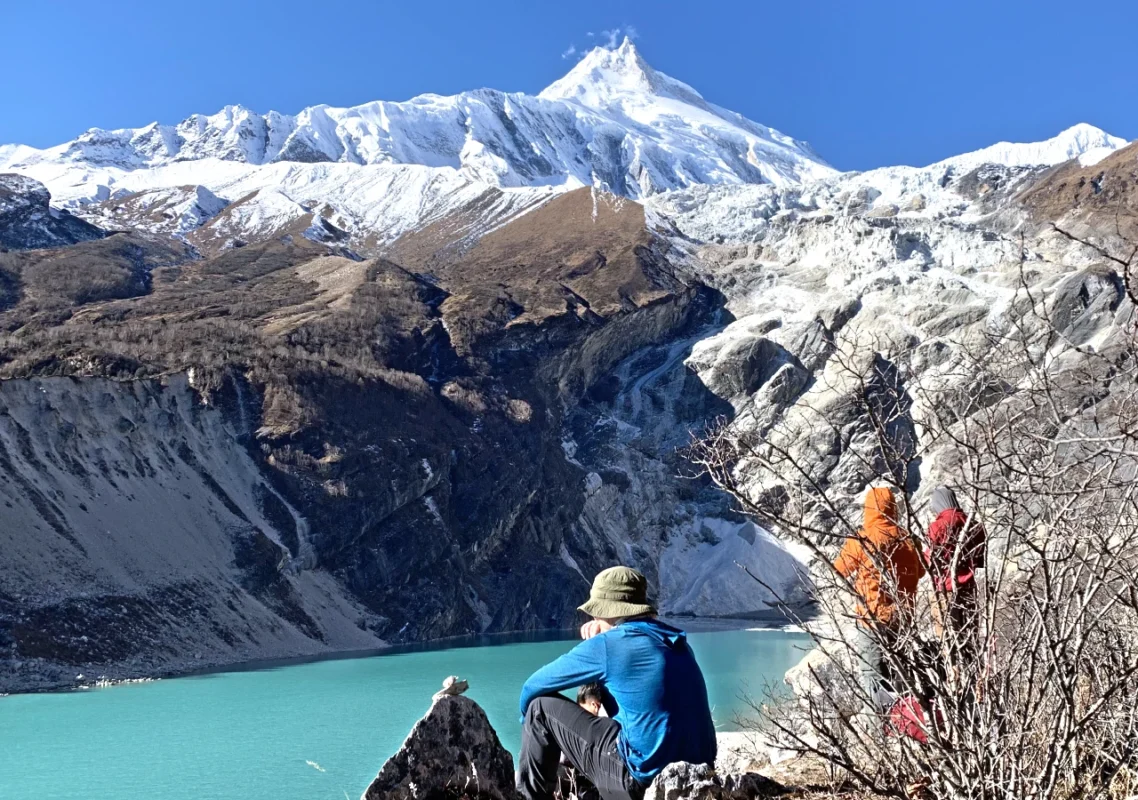
Overview of Manaslu Circuit Trek
Manaslu Circuit Trek is one of the best off-the-beaten treks in Nepal. It takes you through the foothills of 8th highest mountain Mount Manaslu (8,163m) to the thrusting alpine wildlife. It is one of the rapidly emerging trekking destinations that challenges the beauty of Everest and Annapurna with its untouched spark.
The trails are less crowded providing an isolated and solitude experience while trekking. You get to discover the unspoiled wildlife of the Manaslu Conservation Area of Nepal. It provides the thrilling opportunity to conquer one of the high mountain Pass in Himalaya, Larkya La Pass (5,106m).
Explore an adventure beyond average thrill and experience. Trek on the pristine trails of Manaslu perfect for the adventure enthusiast who loves discovering new destinations. Immerse into the Tibetan Buddhist culture of Manaslu’s magical land and enrich your experience.
Manaslu Circuit Trek Difficulty Level – Who Can Do This Trek?
The Manaslu Circuit Trek is classified as moderately to highly difficult, mainly owing to its harsh terrain and the high altitude of Larkya La Pass (5,106 m). This pass crossing is a test of physical fitness, endurance, and proper acclimatization. You have to walk for 5 to 7 hours daily for several days over rocky and uneven paths with steep ups and downs. While the trek is a challenge, both physically and mentally, it is a reward for the people who are well-prepared.
Fit and determined first-time trekkers can join the Manaslu Circuit Trek. While not mandatory, previous high-altitude trekking experience is a huge plus. It is also necessary to take the right acclimatization procedures and go with an experienced staff or certified guides. A steady pace, good hydration and listening to the body are the key points to dealing with altitude issues.
There is no fixed age limit for the Manaslu Trek. Still, the most recommended age range is usually from 12 to 65 years old. Very young children and older adults are advised to get medical clearance prior to the trek. The route is also safe and highly recommended for solo women trekkers. Traveling with a licensed guide or being part of a group increases safety, cultural insight, and overall comfort during the journey.
With the right preparation and support, the Manaslu Circuit opens a door to an easily accessible and deeply satisfying adventure for many trekkers.
What is It That Makes the Manaslu Trek So Special?
The Manaslu region is very unique in bringing together untouched natural beauty, rich cultural heritage, and the deep feeling of isolation. The village of Samagaon, where the traditional Tibetan way of life still exists, and the quiet Pungyen Gompa, located high above the valley, offer you a rare glimpse into the region’s rich culture and serene spiritual heritage. Likewise, the stunning Birendra Lake near Samagaon is a natural water reservoir that receives water from melting glaciers.
Additionally, the adventurous ones can hike the trail taking them to Manaslu Base Camp, which is close to the towering eighth-highest mountain in the world. The trail throughout the journey extends through incredible glaciers, steep ridges, and high passes and Tibetan-influenced settlements. The border village of Samdo is rich in culture and have been maintaining its traditions and religious rituals for centuries.
The combination of the natural world, the cultural depth and the off-the-path atmosphere is what makes trekking in the Manaslu area a very unique and very immersive experience.
Local Culture and Tradition
The Manaslu region offers a deep and authentic immersion into the Tibetan-influenced Himalayan culture. It has been shaped over centuries and carried out by communities that practice Tibetan Buddhism.
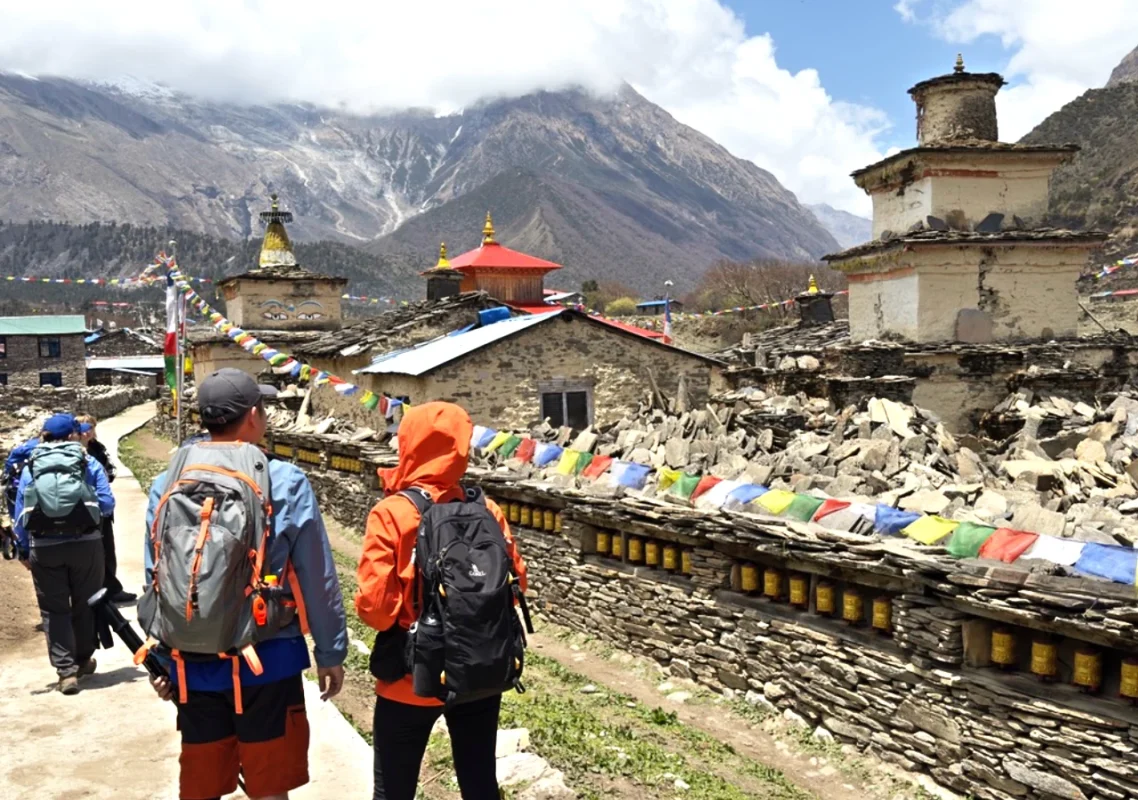
While trekking along the way, prayer wheels, ancient chortens, and colorful mani stones will be part of your daily encounters. Houses and teahouses in the region depict the local cultural traditions with their design, decoration, customs, food and hospitality.
The spiritual site of Pungyen Gompa is a noticeable highlight near Sama Gaon. Besides this landmark, many small monasteries and chortens along the route indicate that Buddhism is ingrained in the lives of the local people. These places get you to know and understand the ancient rituals and symbols, and spiritual practices that are part of life in the region.
The residents of the Manaslu region are characterized as being warm, kind, and very hospitable thus making cultural interaction a most memorable part of the journey. When you stroll through the villages, you will see traditional farming, daily household routines, and prayer rituals.
Depending on the season, you can also catch a glimpse of the colorful local festivals. The guides will play the role of interpreters to facilitate communication with the villagers and hence, you are going to get a real understanding of their lifestyle and customs. These cultural experiences make your trek deep, meaningful, and connected.
Lodging During the Manaslu Circuit Trek
Teahouses with a basic standard are found at most of the places along the Manaslu Trek. They are the ones which usually give the hikers a place to sleep after a long day of hiking. Rooms are available in both shared and private options, but the latter one is limited and tends to be taken quickly during peak season. So, it is better to make a booking well in advance.
The teahouses give a decent place to sleep but the heating in the sleeping rooms is usually not available. The usual practice is that only the common dining area is heated up with either a kerosene or wood stove. This is why it is very important to take warm sleeping gear for the cold nights that are often experienced at higher elevations.
The facilities along the trekking route vary and you have to be ready to face the conditions of having only the basic amenities. Toilets can be both squat-style and Western-style, based on the location. There is a hot shower in some teahouses which you can take for an extra fee and in other places, cold water is only offered.
The laundry service is not usually available, except for a few teahouses that may offer it for a small fee. Other than that, washing by hand is the norm. In the majority of the teahouses, electricity is provided but there are frequent power cuts. Hence having a power bank or a solar charger is quite essential. Most of the teahouses provide Wi-Fi at a cost, but the connection may be irregular and the speed is usually slow.
Meals During the Manaslu Journey
Teahouses primarily serve local food which is nutritious, fresh and healthy. Their menu is based on veg and non-veg items like Dal Bhat, noodles, rice, pasta, soup and chapatis. Freshly prepared meals are offered but they are limited in variety than those in the city.
Vegetarian meals are easily accessible all the way up the trail. Inform your guide or teahouse staff about dietary preferences in advance.
Hot water is usually available in teahouses either at a small fee or free of cost. Though bottled water may be purchased on the way, it is generally costly. The best thing to do would be to carry a refillable bottle and a water purifier. Treat the water before you drink it from the natural sources.
It is advisable to carry high-energy snacks like nuts, chocolate and energy bars. It helps maintain your energy level during long walking days between tea houses.
Best Time to Take the Manaslu Circuit Trek Nepal
The most recommended seasons for the Manaslu Circuit Trek are Spring (March to May) and Autumn (September to November). The weather in these periods is excellent and the trail is the safest and most picturesque.
During spring, the different varieties of rhododendrons as well as the alpine flowers are in full bloom and the valleys and hills are dressed in striking colors. The air is clear, giving out the amazing views of Manaslu and the other adjoining mountains. Likewise, autumn is marked by the mesmerizing fall colors, crisp air, clear skies and exceptional mountain vistas.
The monsoon season (June to August) brings heavy rain, landslides, and slippery trails that make trekking risky and unpleasant. Winter (December to February) can be unbearably cold and heavy snowfall frequently closes high passes such as Larkya La. This makes the trek far more difficult and less accessible.
Therefore, it is a good idea to plan your trips around spring or autumn to enjoy safer and delightful trekking conditions. At these times, you can experience the striking Himalayan panorama, vibrant local culture and unspoiled nature that the Manaslu Circuit has to offer at its best.
Manaslu Circuit Trek Cost
The Manaslu Circuit Trek cost generally lies in the range of USD 1,200 to USD 2,500 per person for a 12–20 day package. The major factors affecting the cost are the level of comfort, trekking season, trek’s length and duration and services included.
The packages typically consist of all necessary permits, a licensed guide, lodging and meals along the trail, porters (optional), and ground transportation to/from the trailhead. The price can be high or low depending on the season, group size, accommodation standards, transport mode, guide/porter arrangements, trek duration, and personal expenses. Peak seasons and private services generally increase the price.
Carefully budgeting is the way to go to prevent unforeseen costs, increase security and adhere to the rules of the restricted area. Thus, it is possible to have a trouble-free, secure and enjoyable adventure in the Himalayas.
Why Trek With Explore Vision Nepal?
Explore Vision Nepal is a reputed trekking operator who ensures local knowledge, strong logistic support and personalized care. We make sure that your trekking experience is seamless from start to finish.
The local guides who are experts in the area lead you safely through the trails. At the same time, they highlight the culture, history, and landscapes of the Manaslu region, thus making the journey more worthwhile.
We have years of experience in this field and all your trip aspects like permits, accommodation, meals, transportation and daily planning are handled properly and professionally. Our proper arrangement and organization and customized itineraries give you the chance to completely immerse yourself in the trek.
With Explore Vision Nepal, your adventure is sure to turn into a safe, hassle free, meaningful and memorable trip through one of the most beautiful regions of Nepal.


Outline Itinerary of Manaslu Circuit Trek
Day 01: Arrive at Tribhuvan International Airport (TIA), Kathmandu (1,350M/4,430Ft)
Day 02: Drive from Kathmandu to Machha Khola (870M/2,850Ft), Distance: 160 Km, Duration: 7 Hours
Day 03: Trek from Machha Khola to Jagat (1,380M/4,525Ft), Distance: 19-20 Km, Duration: 7 Hours
Day 04: Trek from Jagat to Deng (1,860M/6,100Ft), Distance: 22 Km, Duration: 8 Hours
Day 05: Trek from Deng to Namrung (2,630M/8,625Ft), Distance: 18-19 Km, Duration: 7 Hours
Day 06: Trek from Namrung to Lho Village (3,180M/10,430Ft), Distance: 10-11Km, Duration: 4-5 Hours
Day 07: Trek from Lho to Samagaun (3,530M/11,580Ft), Distance: 8 Km, Duration: 4-5 Hours
Day 08: Explore and Acclimatization Day at Samagaun
Day 09: Trek from Samagaun to Samdo (3,860M/12,660Ft), Distance: 7 Km, Duration: 3-4 Hours
Day 10: Trek from Samdo to Dharmashala (4,460M/14,630Ft), Distance: 7 Km, Duration: 5 Hours
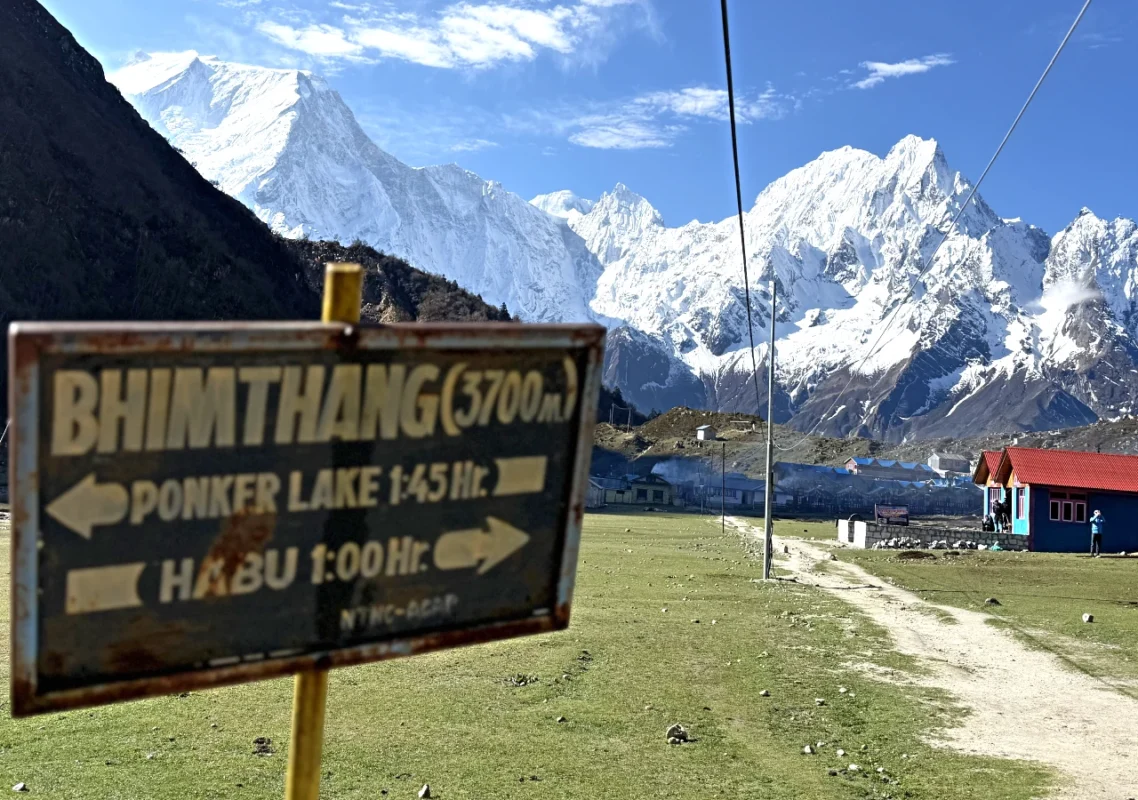
Day 11: Trek from Dharmashala to Bhimtang (3,720M/12,200ft) via Larkya Pass (5,106M/16,750Ft), Distance: 23 Km, Duration: 9 Hours
Day 12: Trek from Bhimtang to Tilje (2,300M/7,545Ft), Distance: 22 km, Duration: 7 Hours
Day 13: Drive from Tilje to Kathmandu via Beshisahar, Distance: 220Km, Duration: 9 Hours
Day 14: Departure/Farewell
Trip Highlights
- This trek is done within one of the pristine protected areas of Nepal, Manaslu Conservation Area. It is a newly emerged trekking destination that offers you greater chances of exploration.
- Enter into the ancient journey where you stay at the authentic villages of Nubri and Kutang communities. Imagine yourself in a home of Local Tibetan people, warmth of their natural stove in a cold evening/morning, and a good cup of local butter tea.
- You get to see close-up views of one of the 8000 meters Mountain, 8th highest mountain of the world, Mount Manaslu on this journey. The views along the trails are breathtaking and majestic.
- Get to challenge yourself with one of the high mountain passes, Larkya La Pass (5,106m). The point is popular for its thrilling mountain Pass experience with jaw-dropping views of snow-capped mountains.
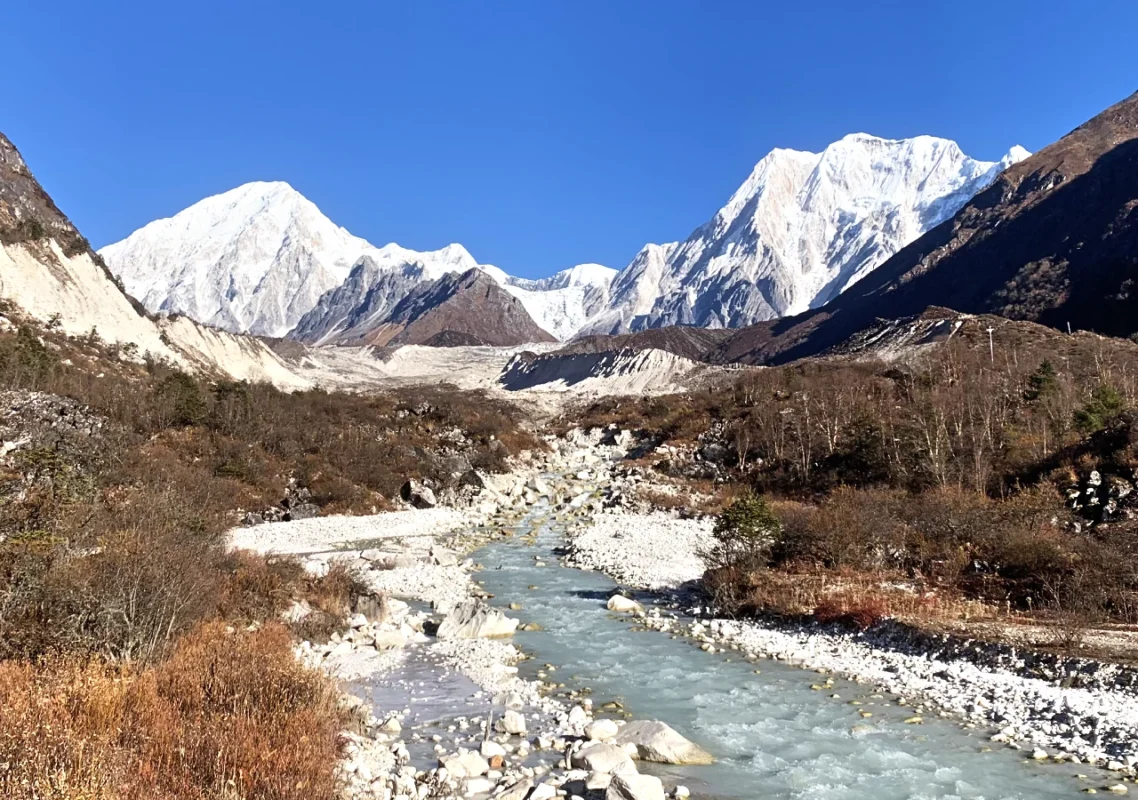
- Trekking on the trail of Manaslu Circuit trek is accompanied by stunning River, Budhi Gandaki River. This adds to the picturesque scenery of mountains, hills, forests, and a flowing river.
- Get breathtaking mountain views of Mount Manaslu from Pungyen Gompa. You reach Pungyen Gompa as a side trip during acclimatization day at Samagaun Village.
- The off-the-beaten routes of the Manaslu trek give you one of the wonderful Off-beaten trek experiences in Nepal.
- You might get to witness rare animals of the Manaslu region: Blue sheep, Himalayan Thar, Himalayan Monal (Danfe), Snow-leopard, Himalayan Black Bear, and Tibetan Snow cock
- Walk through the Landmarks of ancient Tibetan Buddhism like monasteries, mani walls, prayer wheels, water prayer wheels, chorten, stupas, and kani Gates.
- Collect cultural experience of Tibetan Buddhism while exploring the local villages of Lho, Samagaun, Samdo, and Bhimtang.
Manaslu Circuit Trek Itinerary
01
Day 01: Arrive at Tribhuvan International Airport (TIA), Kathmandu (1,350M/4,430Ft)
Welcome to the country of the Himalayas! As you land at the airport and get off, our representative warmly welcomes you and assists with your arrival. Then, accompany you to your hotel in a private vehicle. During this time, we will let you know about the trip meeting time and location.
Once the check-in procedure is complete, feel free to rest, prepare for the trip, or enjoy a walk around the area if the time permits!

Activity: Drive

Meal: Breakfast, Lunch, Dinner

Accommodation: Hotel
02
Day 02: Drive from Kathmandu to Machha Khola (870M/2,850Ft), Distance: 160 Km, Duration: 7 Hours
Today is a long drive day, about 7 hours from Kathmandu to Machha Khola, so prepare yourself! Your assigned trekking guide picks you at the hotel and the drive starts. More than Half of this day trip consists of off and uneven bumpy roads. Today you leave behind the hustled Kathmandu City and dive into the beautiful countryside of Nepal and enter renowned district Gorkha.
Activity: Drive
Meal: Breakfast, Lunch, Dinner
Accommodation: Guesthouse
03
Day 03: Trek from Machha Khola to Jagat (1,380M/4,525Ft), Distance: 19-20 Km, Duration: 7 Hours
As the exciting day begins between the rocky hills and sounds of Budhi Gandhaki River, this is the first day of the Manaslu Trek journey. The destination for today is Jagat, an entry point of the Manaslu Conservation Area.
As you move forward, you pass by the village of Khorlabesi and reach Dovan. Until Dovan you walk on the motorable road. Then, crossing a suspension bridge you come across the narrow traditional route of Manaslu Circuit. From Dovan you can witness a peeping north east view of Ganesh Himal II.
Continuing on the meandering trail along the Budhi Gandhaki gorge you pass by the Yaru Bagar village where you are introduced to the first Cantilever Bridge of Nepal. Enjoying the beautiful waterfalls, gigantic barren hills, and exciting suspension bridges over the gushing River, you realize you are finally at Jagat, the stop for today!
Activity: Trekking
Meal: Breakfast, Lunch, Dinner
Accommodation: Guesthouse
04
Day 04: Trek from Jagat to Deng (1,860M/6,100Ft), Distance: 22 Km, Duration: 8 Hours
Today you walk on the trails within the Manaslu Conservation Area. Starting on the rugged trails, there are rice and millet fields grown by local people. You pass by several uphills and downhills today. The first village you come across is Salleri. After that you come across small Gurung village Sirdibas before reaching Philim.
From Philim the trails are less-steep, and crossing a long suspension bridge you reach Ekle Bhatti. Along the banks of Budhi Gandaki River with bamboo forest, you continue on the trails that takes you to the Nyak village before reaching Deng, the stop of the day. Major highlight of the day is Snow-capped mountain views of Shringi Himal, Ganesh Himal, Budhi Gandaki River and Valley.
Activity: Trekking
Meal: Breakfast, Lunch, Dinner
Accommodation: Guesthouse
05
Day 05: Trek from Deng to Namrung (2,630M/8,625Ft), Distance: 18-19 Km, Duration: 7 Hours
As you walk on the foothills of Majestic Manaslu, today the nature exposes you with dense forest of Fir, Oak, and Rhododendron. The landscapes are beautifully blended with local crops Maze and wheat. Leaving Deng, you pass by the village of Rana, Bihi Phedi, Bihi, Ghap, and Ghapsya before reaching Namrung.
Namrung is the final stop of the day, where you can enjoy Mountain Views of Shringi Himal and Ganesh Himal II and IV.
Activity: Trekking
Meal: Breakfast, Lunch, Dinner
Accommodation: Guesthouse
06
Day 06: Trek from Namrung to Lho Village (3,180M/10,430Ft), Distance: 10-11Km, Duration: 4-5 Hours
Namrung to Lho is one of the best part of the trek. As you have crossed the Foothills you slowly open up to the Alpine fields and the Mountain views of different Himalayas. The trails now slowly leave Fir, Oak and Rhododendron forest.
Today is the day you catch first view of Manaslu. As you leave the village of Namrung, you pass through Lihi village. A surprising uphill after village awaits you with a sweet gift of stunning view of Himchuli just before you reach another village Sho. The surprises just gets better as you get to witness first view of 8th highest mountain in the world, Manaslu from Sho village.
You get mesmerizing Mountain View of Manaslu (Kang Pungyen) (8,163m), Manaslu North (7,157m) and Naike peak from the village. After enjoying the views and following the mountains you reach Lho, without realizing you are at the last stop of the day!
Activity: Trekking
Meal: Breakfast, Lunch, Dinner
Accommodation: Guesthouse
07
Day 07: Trek from Lho to Samagaun (3,530M/11,580Ft), Distance: 8 Km, Duration: 4-5 Hours
After such a wonderful journey till Lho, A new day of exciting Manaslu Circuit trek continues. This day our destination is Samagaun, one of the most popular village in Manaslu Circuit Trekking route. Today the trek is short yet mind fulfilling as you get closer to one and only Majestic Manaslu.
The first village you reach is Shyala, just as beautiful as other villages. You get a stunning views of Manaslu North, Himchuli and peak Ngadi (Peak 29). As short trekking day you can take enough photo stops and breaks and enjoy the moment! Embrace the beauty of alpine landscapes, Yak Pastures, and authenticity of the trail.
Immersion into the beauty of Mountains and local Tibetan culture you reach Charming village, Samagaun. You finally arrive at the popular tourist stop of Manaslu trek, a portal to major highlights of the region.
Activity: Trekking
Meal: Breakfast, Lunch, Dinner
Accommodation: Guesthouse
08
Day 08: Explore and Acclimatization Day at Samagaun
This day is separated for the acclimatization and exploration at Samagaun. As many routes separates from Samagaun, today you can choose different side trips for exploring. The best side trips from Samagaun are:
Manaslu Base Camp: The Manaslu Base Camp hike is one of the popular side trip from Samagaun at an altitude of 4,800 meters. It takes you to the base Camp of the eight-highest mountain in the world, Mount Manaslu. This side trip is perfect for trekkers looking for a Himalayan Base Camp experience.
Pungyen Gompa: If you are interested in doing a Buddhist religious and historical side trip, Pungyen Gompa is an arising popular destination in Manaslu at elevation of 4,700 meters. Major highlight of this trip to Pungyen is that it has unmatchable Mountain View of Manaslu that is near to perfect. With the visit to Gompa you feel closer to the spiritual energy of the region.
Birendra Tal (Lake): It is a short side trip from Samagaun to the popular glacier named after late King Birendra of Nepal. The lake is stunning and is a naturally formed Tal from Mount Manaslu glacier.
Activity: Trekking
Meal: Breakfast, Lunch, Dinner
Accommodation: Guesthouse
09
Day 09: Trek from Samagaun to Samdo (3,860M/12,660Ft), Distance: 7 Km, Duration: 3-4 Hours
Leaving beautiful Samagaun of Manaslu we move towards another charming village of Samdo. Today you walk on the trails supported by the Birch Juniper forest. Allowing the Himalayan landscape take over you, the trails keep offering surprising views of barren hills with backdrop mountain views before reaching Samdo. It is a village close to the Tibetan border that used to be a Tibetan refugee camp. Place offers a magnificent close-up view of Samdo Peak and many other mountains.
Activity: Trekking
Meal: Breakfast, Lunch, Dinner
Accommodation: Guesthouse
10
Day 10: Trek from Samdo to Dharmashala (4,460M/14,630Ft), Distance: 7 Km, Duration: 5 Hours
The journey is nearing to the challenge of the trek, Larkya La Pass (5,160m). Enjoying the glaciers and Mountains, you pass by the Larkya Bazaar, a Fair seasonal Market. As you reach Dharmashala (Larkya Phedi), different mountain greets and challenges you for the next day.
Note: As you are at a high altitude zone we recommend you to follow your body and consult your guide timely. Stay hydrated and don’t give up as the trek has more to offer!
Activity: Trekking
Meal: Breakfast, Lunch, Dinner
Accommodation: Teahouse
11
Day 11: Trek from Dharmashala to Bhimtang (3,720M/12,200ft) via Larkya Pass (5,106M/16,750Ft), Distance: 23 Km, Duration: 9 Hours
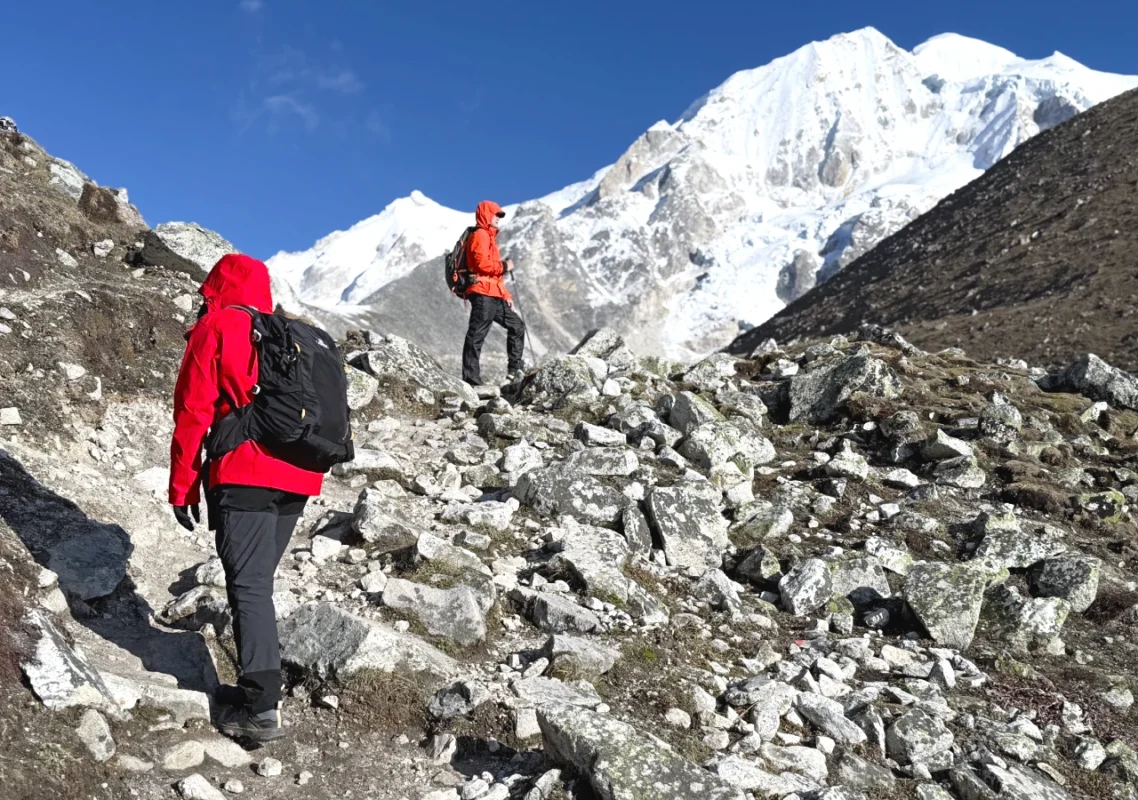
An adventurous day with a challenging Larkya La Pass is here! Today is the day you challenge yourself and compete with the nature’s offering. This day is a testament for your endurance and comfort level. Acknowledging the beauty of Nature, you continue trekking about four hours to the highest point of the Manaslu Trek Larkya La Pass, (5,106m). The weather around the area is challenging yet thrilling. During conquering moment of the Pass you get dramatic 360 degree panoramic view of the mountains including Mount Manaslu.
The mountains visible from the point are Kang Guru, Annapurna II, and Himlung, Cheo Himal, and Gyaji kang. The breathtaking views touches your skin before the cold breezes of mountain. As you complete the pass, there is a sense of achievement and a touch of personal development.
Then with a long steep descend you reach another picturesque village of Bhimtang surrounded by the stunning landscapes. Bhimtang is indeed a hidden gem mountain village in Manaslu region. This is the last stop for the day where you recollect the left memories with your fellow trekker friends after a big achievement of Larkya La Pass and relax for the night.
Activity: Trekking
Meal: Breakfast, Lunch, Dinner
Accommodation: Guesthouse
12
Day 12: Trek from Bhimtang to Tilje (2,300M/7,545Ft), Distance: 22 km, Duration: 7 Hours
What a morning it is! As a South face of Phungi Himal, North east of Manaslu, Cheo Himal and Himlung is still accompanying you at the ending point of the trek. Today is the last day you walk on the foothills of the Magical Mount Manaslu and follow the long downhill all the way to Tilje village.
You pass by the teahouses of Hampok, Yak Kharka, Kharche and Goa Before reaching Tilije. As, the trek is ending pay attention to the last traditional villages existing close to the Himalaya lands. You take away final souvenir from the forests, the cool breezes and the Mountains that forever lingers the heart today.
Activity: Trekking
Meal: Breakfast, Lunch, Dinner
Accommodation: Guesthouse
13
Day 13: Drive from Tilje to Kathmandu via Beshisahar, Distance: 220Km, Duration: 9 Hours
Today is the day you take a final drive to Kathmandu with a packed memories of Manaslu Circuit Trek. Following the beautiful Marshyangdi River you slowly approach to Besisahar on jeep and continue comfortable drive to Kathmandu where you take an overnight stay.
Activity: Drive
Meal: Breakfast, Lunch
Accommodation: Hotel
14
Day 14: Departure/Farewell
On this day your guide or a representative from the Explore Vision Nepal picks you up at your hotel and drops you at the airport 3 hours before the scheduled flight. Take a heart-warming farewell and hope to see you next time for another adventure!
Activity: Drive
Meal: Breakfast

Note:
If you have a private group and prefer a personalized experience, we can organize a custom trip tailored to your requirements and group size, running it any day you choose.
Price Includes

Price Excludes

What's included?
- All ground airport transfers are done in a private vehicle to/from Tribhuvan International Airport
- Two nights’ accommodation with breakfast at the best 3-star category hotel in Kathmandu
- Full board meals (breakfast, lunch and dinner) with tea/coffee during the trek
- Best available twin sharing lodge to lodge accommodation during the trek
- All the necessary permits are included: Manaslu Conservation Area Permit (MCAP), Manaslu Special
- Restricted Area Permit, Annapurna Conservation Area Permit (ACAP) and the trekker’s information management system (TIMS) card
- Kathmandu – Machha Khola and Tilje – Kathmandu by private vehicle
- Duffle bag, down jacket and sleeping bag during the trek
- Highly experienced and professional English speaking trekking guide
- Company t-shirt, trekking map, and trip achievement certificate
- A comprehensive first aid medical kit
- Seasonal fruits after dinner during the trek
- All the taxes and service charges of the local and national government
What's not included?
- International airfare to and from Nepal
- Nepal Visa Fee (it is payable upon arrival at Tribhuvan International Airport, USD in cash is recommended)
- Travel insurance (it must include high altitude trekking above 4,000m, emergency evacuation)
- Accommodation, meals, and extra nights in Kathmandu outside the itinerary
- Personal expenses during the trek, like snacks, beverages, hot showers, charging electronics, and internet
- Tips for guide, porter, and driver (Expected but not mandatory)
Departure Dates
Start Date
10 Apr 2026End Date
24 Apr 2026Price
US$ 1380
 Guaranteed
Start Date
13 Apr 2026End Date
27 Apr 2026Price
US$ 1380
Guaranteed
Start Date
14 Apr 2026End Date
28 Apr 2026Price
US$ 1380
Guaranteed
Start Date
15 Apr 2026End Date
29 Apr 2026Price
US$ 1380
Guaranteed
Start Date
16 Apr 2026End Date
30 Apr 2026Price
US$ 1380
Guaranteed
Start Date
17 Apr 2026End Date
01 May 2026Price
US$ 1380
Guaranteed
Start Date
20 Apr 2026End Date
04 May 2026Price
US$ 1380
Guaranteed
Start Date
03 May 2026End Date
17 May 2026Price
US$ 1380
Guaranteed
Start Date
05 May 2026End Date
19 May 2026Price
US$ 1380
Guaranteed
Start Date
06 May 2026End Date
20 May 2026Price
US$ 1380
Guaranteed
Start Date
07 May 2026End Date
21 May 2026Price
US$ 1380
Guaranteed
Start Date
08 May 2026End Date
22 May 2026Price
US$ 1380
Guaranteed
Start Date
09 May 2026End Date
23 May 2026Price
US$ 1380
Guaranteed
Trip Information
Trekking the Hidden Gem of Nepal
The Manaslu Circuit Trek is a very adventurous less frequented Himalayan journey. It leads you through the quiet and pristine highlands of western Nepal. Unlike the busy routes of the Annapurna and Everest regions, the trek is utmost isolated and full of wilderness.
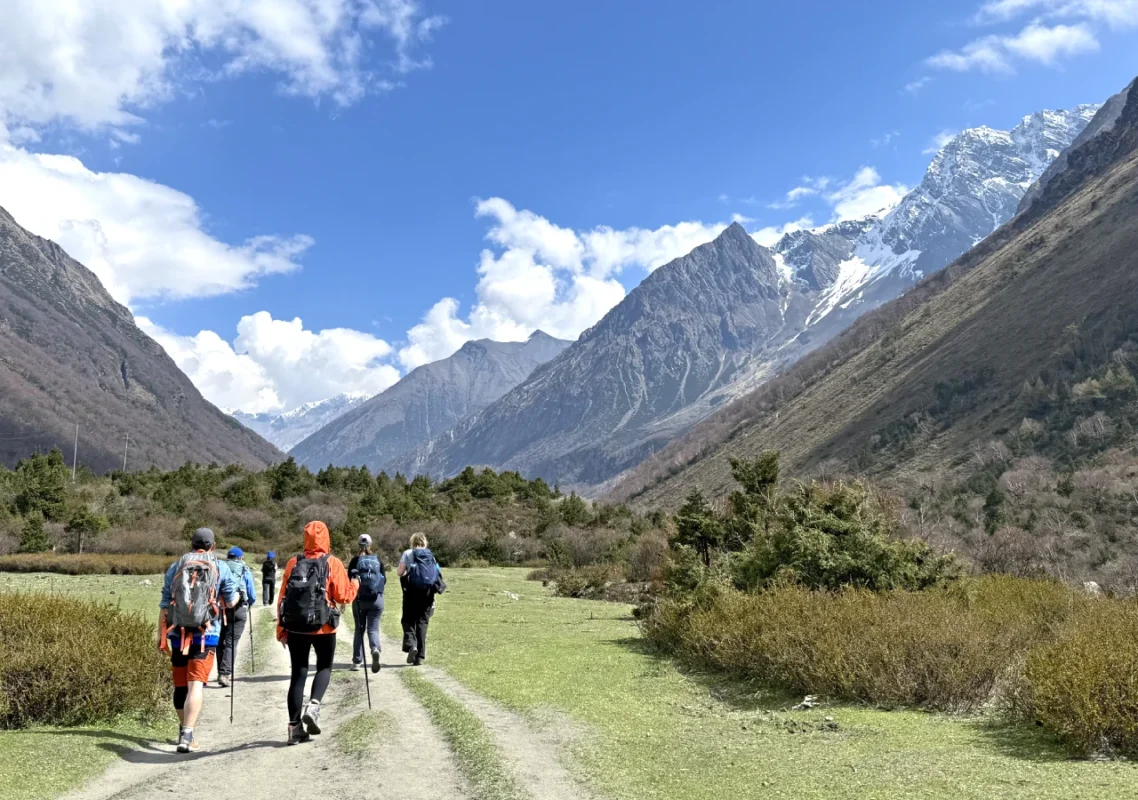
The Manaslu trekking trails go through forests, rivers, hamlets and secluded valleys where only a few travelers come. On the trail, you will come across the traditional Gurung and Tibetan communities, ancient monasteries and prayer flag adorned bridges that seem to be frozen in time. These cultural treasures are very well complemented by the scenic landscapes of the area, glacial rivers, alpine valleys, wildflower-filled meadows, and so on.
The Manaslu Circuit trail, which is less frequented by tourists, offers an original Himalayan experience where one can dive into nature and the local culture without any disturbance from the mass of tourists.
This is a challenging trek but very rewarding at the same time. It attracts adventurers who want to have a genuine mountain vacation with cultural indulgence and the excitement of wandering through the untouched nature.
Trekking Permits and Regulations for the Restricted Manaslu Area
Trekking in the restricted Manaslu region requires specific permits and compliance with strict regulations. Apart from safety and responsible travel, permit systems are implemented for the protection of the area’s fragile ecosystem and heritage.
You should have the Manaslu Restricted Area Permit (RAP), the Manaslu Conservation Area Permit (MCAP) and, depending on the route, the Annapurna Conservation Area Permit (ACAP).
The RAP is issued only through a government-registered trekking agency like Explore Vision Nepal. This is because independent trekking is not permitted in this restricted area. Besides, there should be a minimum group size of two trekkers, including a licensed guide who will take care of documents, manage checkpoints, and monitor route conditions.
By complying with these permit requirements and regulations, you will contribute to the preservation of the unspoiled nature of Manaslu while enjoying a smooth and safe trekking experience.
Manaslu Circuit Trek Permit Fees
- Manaslu Restricted Area Permit
- Peak Season (September–November) – USD 100 for the first 7 days and USD 15/day afterwards
- Other Season (December–August) – USD 75 for the first 7 days and USD 10/day afterwards
- Manaslu Conservation Area Permit – NPR 3,000 (USD 21)
- Annapurna Conservation Area Permit – NPR 3,000 ( USD 21)
Adventurous Crossing of the Larkya La Pass
The Larkya La Pass which rises to 5,106 meters, is the amazing and thrilling high point on the Manaslu Circuit Trek Nepal. It is the ultimate test of your ability, endurance and determination. The profound feeling of success in navigating this pass is immense. Plus, the pleasant panoramic views of the snowy mountains, valleys and rugged Himalayan areas go beyond the limit of the vision.
The ascent to the pass is very difficult, needing proper acclimatization and physical and mental toughness. However, it is a rare opportunity to hike on untouched alpine ground, admire the striking variation in elevation, and enjoy the calm, unspoiled nature of the high Himalayas. Crossing Larkya La is often the main event of the trek, representing both the spirit of adventure and the beauty of Nepal’s hidden lands.
Himalayan Vistas During the Manaslu Trek
The Manaslu Circuit is one of the best places to have an amazing view of the Himalayas. The trip reveals a diverse landscape from the greenery of the subtropical forests to the alpine pastures, valleys of the glacier and ridges of the high mountains.
The 8,163 meter high Mount Manaslu is the tallest mountain in the region. Besides that, you will get to see other magnificent peaks like Himalchuli, Ngadi Chuli, Shringi Himal, Ganesh Himal, Larkya Peak, Cheo Himal, Himlung Himal, Kang Guru, Naike Peak, etc.
The gradual change of scenery from colourful lowland to the harsh and rugged high Himalayas gives you a different view of mountain ranges that seem to be touching the sky. The trail up, especially around Larkya La Pass, gives you close views of the Himalayas where you can feel their sheer scale. You get the mountains all to yourself as if no one has ever trekked this route before.
As a whole, you will have an incredibly engaging and fulfilling experience in the Himalayas, revealing the untouched and strong side of nature with every step taken.
Manaslu Circuit Trek – Key Attractions
- Mind-blowing close-up views of the world’s 8th-highest mountain.
- A dramatic high pass of Larkya La with the panoramic views of the Himalayas.
- The impressive, narrow and steep gorges (Budi Gandaki) are marked by high suspension bridges and roaring river currents.
- The less-frequented and distant Manaslu paths will be the quieter option compared to those in the Everest or Annapurna areas.
- Magnificent views of the Himalayas including Manaslu, Himlung, Annapurna II, Cheo Himal and more.
- The village of Samagaon, an impressive alpine settlement where traditional Tibetan culture is still alive.
- Pungyen Gompa, a quiet monastery surrounded by amazing mountains.
- Close to Manaslu Base Camp, there is a painting-like glacial lake, Birendra Lake, of turquoise water.
- Manaslu Base Camp (optional hike), an attractive day hike giving close encounters with glaciers and towering mountains.
- Tibetan influenced culture, Buddhist practices, chortens, mani walls, and prayer flags are all along the way.
- The vast Manaslu Conservation Area’s wildlife. It is likely to catch a glimpse of blue sheep, Himalayan tahr, and maybe snow leopards thriving along a wide range of habitats from dense tropical forests to lofty alpine lands.
- Traditional villages of stone houses, ancient architecture, and centuries-old monasteries.
- In Samdo, the Tibetan refugee village right at the border, you will have a rich cultural experience.
What Safety Measures Are in Place on the Trail?
To ensure the safety of all hikers, various safety measures are implemented along the trekking path. Professional guides generally have very well-equipped first-aid kits with them, which contain the necessary supplies to treat minor wounds, symptoms related to altitude, and even common medical issues.
Furthermore, they are trained in wilderness first aid, emergency response and proper acclimatization. Communication devices like satellite phones or walkie talkies are usually among the items that guides carry. This helps them get in touch with rescue teams, local authorities or the nearest tea houses in case help is needed.
The tea houses, lodges, and checkpoint stations along the way provide the support, the weather updates, and the localized information about the trail conditions. Information about the hazards like landslide prone areas and steep sections is provided to you in advance. All these measures together make up a safer and more manageable trekking environment.
What Should I Do in Case of an Emergency?
In the case of an emergency, you should tell the guide straight away. They are instructed to make a quick assessment of the situation and act accordingly.
Based on the level of the problem, the guide might conduct first aid, interrupt the trip and take the group back to a place with available medical facilities.
If the problem is severe, the guide will facilitate evacuation to get aid either by road transport from the nearest accessible point or a helicopter rescue in remote or high-altitude areas.
It is mandatory for you to have a mobile phone at all times that is fully charged, your insurance documents, and the basic personal first-aid items. Remaining calm, obeying the guide’s directions and saving up energy are also major factors.
Is Travel or Trekking Insurance a Must?
Travel or trekking insurance is very much recommended. This insurance is meant to guard you against unforeseen happenings that might occur during your trip. It is a sort of a must for all the hikers in the far-off remote Himalayan places where medical aid is not sufficient.
A basic health insurance should include administering treatment, rescuing, bringing the patient out by air, cancelling or cutting short the trip, and loss or delay of baggage. Some local governments or agencies even request you to present your insurance certificate before they give you the permit or let you start the hike.
Because things in the mountains can change so quickly and the cost of rescuing can be high, it is essential to review your insurance policy in detail and match it with the specific hazards of your destination before you embark on your trip.
Should Insurance Cover Emergency Evacuation by Helicopter?
Definitely, It can never be overstated how crucial it is for your insurance policy to cover helicopter evacuation, especially for hiking in challenging heights or difficult-to-access areas.
In the high Himalayas, the lack of access roads for ambulances or ground rescues is the reason for no rapid and effective deployment of rescue or medical personnel. In case you fall victim to altitude sickness or go through an injury or medical emergency, the only fast and effective way to get to a hospital is by helicopter.
Helicopter evacuations can cost you hundreds of thousands of dollars and most travel insurance plans do not even include this service unless specifically opted for. Thus, it is prudent to always ensure that helicopter evacuation is explicitly stated in your insurance policy.
What Documents Are Required to Validate Insurance?
For insurance validation during a trek, you must take along both digital and printed copies of all the documents related to your insurance. These documents, in most cases, comprise the full policy, policy number, and the emergency assistance contact number provided by the insurer.
With most insurance companies offering dedicated emergency hotlines, keeping this information easily accessible can save valuable time during a crisis.
We need your policy paper prior to arranging a helicopter evacuation or any other medical support. So, keeping the documents accessible, ideally in a waterproof pouch, is very important. Also, it would be a good idea to give copies to your trekking guide or group leader before your trek starts.
Tips for Responsible and Sustainable Trekking of the Manaslu
- Do not litter and make proper use of the designated disposal points.
- Bring water bottles, cutlery and bags that can be used multiple times to lessen the amount of plastic waste.
- Observe village etiquette and be respectful with people and at monasteries and other religious places.
- Hire guides and porters who are properly licensed, sleep in local tea houses and purchase local crafts.
- Be wise in the use of water and energy, particularly at lodges located at high altitudes.
- Abide by high-altitude regulations, keep track of the weather and do not take risky shortcuts.
- Try to leave the natural and cultural environment of the future trekkers as untouched as possible.
FAQs for Manaslu Circuit Trek
 General
The Manaslu Circuit Trek is a classic Himalayan journey that circles around Mt. Manaslu which is the world’s eighth tallest peak. Along the way, you will see the stunning nature and unique culture of the region as you pass through remote trails with spectacular mountain views.
The Manaslu trekking journey usually takes between 15 to 20 days. The route and acclimatization requirements will determine the duration most of the time. About 5 to 7 hours of walking per day is necessary to cover the total Manaslu Circuit Trek distance of approximately 150 to 180 kilometers.
Larkya La Pass being at 5,106 meters is the highest point in the trek. It is the most stunning and impressive point of the Nepal Himalayas from where you can enjoy a panoramic view of the valleys, glaciers, and the surrounding mountains.
The most common way for trekkers to enter the trekking area is through Soti Khola or Machhi Khola, which have good road connectivity with Kathmandu. Traveling by a local bus or acquiring a private car are the two choices. Journey time commonly varies from 7 to 9 hours depending on the state of the roads.
At Explore Vision Nepal, we will facilitate a smooth airport pickup, transfers to the hotel and any initial briefings. This lets you have a hassle free and smooth start to your trekking.
 Preparation & Fitness
Manaslu Circuit Trek requires a high standard of physical fitness. The trail features not only steep ascents but also lengthy downhill sections. So, good trekking endurance and balance along with general stamina are very important.
You should be able to walk daily for 5-7 hours with a light day pack. Previous experience with multi-day hikes is advantageous but not a mandatory requirement. With proper preparation and a slow pace, almost everyone who is healthy can do the trek easily.
Definitely, the 6–8 week training period is the best one where you will be walking long distances mainly on hilly or uneven ground. If you add exercises like stair climbing, jogging, cycling, and hill hiking to your routine, your heart and leg muscles will become stronger which is very important during the daily up and down.
Moreover, doing core-strengthening exercises like planks, squats, and balance training will improve your stability and also decrease the chance of getting injured on rocky or uneven paths.
Prepare yourself psychologically by realizing that the trek is in a remote area, at a high altitude and it will take a lot of walking for several days. Have a positive and broad minded attitude and concentrate on the journey rather than the speed. Also, visualization and mindfulness techniques can make it easier to deal with the hardships.
 Insurance & Visa
A visa is a prime requirement for your visit to Nepal without exception. You can either get it at Tribhuvan International Airport (Kathmandu) upon arrival or apply for and obtain it online beforehand. If you are an Indian citizen and Indian passport holder then you do not need visa to get into Nepal.
Tourist visas are available for 15, 30 or 90 days. If necessary you can apply for a visa extension at the Department of Immigration in Kathmandu.
Flying to Tribhuvan International Airport is the most convenient method. Upon arrival, an Explore Vision Nepal representative will be waiting for you at the airport and will take you to your hotel.
 Guides & Support Staff
Yes, a licensed guide is compulsory in the Manaslu Conservation Area because of the restricted area regulations. In spite of skilled trekkers, a guide is there for safety, navigation, permits and cultural insights.
Yes, your guide will have a very good command of the English language. They will be able to interact fluently and provide their specialist support all along the hike.
 Health & Safety
Proper acclimatization is of utmost importance on the Manaslu Circuit because the path ascends from subtropical valleys to alpine Himalayan terrains. You have to take it slow and easy while going upwards, drinking lots of water, and eating good food so that your energy won’t get depleted. Besides, avoiding alcohol and smoking and keeping physical exertion down are all measures that help reduce the likelihood of altitude sickness.
The scheduled acclimatization days at Samagaun and Samdo give the body a chance to cope with the altitude in a natural way. Our guides will keep an eye on symptoms like headaches, dizziness, breathlessness or nausea. If you notice any of these, the guide should be informed at once. Our mountain guides are experienced in managing a slow and careful pace and will take the proper measures if the symptoms appear.
Your guide will determine if it is safe to go on analyzing the seriousness of the illness and the altitude you are in. Most minor sicknesses can be managed with rest, hydration and medication.
In the areas with network coverage, you can use your mobile phone to call the emergency services. Some heavily wooded and high mountain areas might not have signals at all. So, guides with radio or satellite communication gadgets arrange help for you. Always carry the emergency contact details of the guide plus insurance information to make sure help can be reached without delay.
In case of an emergency scenario, your guide will communicate with us through mobile or satellite phones depending on the quality of the signal. Also, you will be given emergency whistle or a Personal Locator Beacon (PLB) to send distress signals when required. The team would plan and execute a quick evacuation either by ground or by air if it is necessary.
 Packing & Gear
You will have to carry a day pack with a water bottle, snacks, a camera, personal medications, and clothing suitable for the weather. Additionally, we suggest carrying items such as a headlamp, sunscreen, and a water bottle that can be refilled. Likewise, we ensure that all participants get duffel bags and trekking poles. Depending on the package chosen, sleeping bags can be included; if not provided, you are encouraged to carry your own that is both suitable for warmth and hygiene at high altitudes.
In Kathmandu, there are numerous trekking stores where all the essential equipment can be obtained through either renting or purchasing. Thamel and Asan are the most visited locations. Renting gear is more cost-effective and flexible, making it ideal for short-term use.
Almost all the hotels in Kathmandu have the facility to keep the baggage on behalf of the guests. You can safely store the excess baggage while you are up in the mountains. Besides, we can also help you with the arrangement for safe storage.
A backpack of 50 to 70L capacity is the best for your main gear, if you have not hiring a porter and a daypack of 25 to 45L size will be ideal for your daily essentials. They should be well fitted, light in weight and large enough to carry all your trek essentials.
It is advisable to keep your personal day pack within the range of 8-10 kg to avoid getting tired and to be sure that you are safe when trekking on uneven trails. Duffels usually weigh up to 15-20 kg per person. Adhering to these weight limits makes it possible to maintain a leisurely pace, avoid injuries and enjoy the journey without panic.
We will be responsible for providing you with the porters who will take care of your duffel bags and group equipment like first-aid kits and safety gear. This arrangement makes it possible to move easily and comfortably as the porters take care of the heavy and bulky luggage securely.
The luggage should be divided up wisely for best use and comfort. Heavy and large items such as extra clothing, extra shoes, and bigger gadgets should be packed into the duffel bag that the porter carries.
The personal day pack (8–10 kg) should be filled with the day’s essentials, including water, snacks, cameras, first-aid kits, and light clothing layers. This arrangement makes it possible to feel the weight light while still being able to access the essential gear easily.
A waterproof pouch or a money belt should be used to store the essential documents and gadgets. Hotels and teahouses usually offer lockers or safe places for storing valuables. Having a digital version of your passport and visa as a backup is a good idea.
 Booking & Payment
Typically, the process for booking a trek includes filling out a reservation form and paying a deposit which is normally 15% of the total amount. When the preferred dates are settled and we receive the deposit, we will confirm your booking. The remaining amount can be paid upon your arrival in Kathmandu.
We accept different payment methods for your convenience like bank transfers, online payment gateways, and cash payments.
Usually, a partial refund is given based on how far in advance the cancellation is made before the trek’s scheduled start date. Last-minute cancellations, mostly within a few days of departure, will not receive any refunds. Therefore, it is majorly important to purchase travel insurance that reimburses trip cancellations for reasons outside one’s control.
Unexpected events like sickness and emergencies usually result in changing the dates. Besides, the delay in a hike could also be from unpredictable or bad weather conditions.
It would indeed be very prudent to add an extra day to your Manaslu Circuit Trek itinerary in case of delays or schedule changes. Our customer service team will be available to help you with the modifications to your plans related to your new arrangements.
The hike can be extended by spending more days in the local attractions or taking the optional hikes like Manaslu Base Camp. For planning purposes, inform your guide in advance.
 Optional Expenses
For personal expenses on the Manaslu Trek, you can carry equivalent of USD 200–300 in Nepali Rupees.
This amount is generally use and sufficient for personal items such as hot showers, charging electronic devices, snacks, drinks, Wi-Fi, and some other small personal purchases on the trek. Likewise, there are no ATMs along the Manaslu trekking route, it is recommended to carry enough cash from Kathmandu before starting the trek.
Tipping is not part of the trekking package and it is entirely up to the trekker if he/she want to give it or not. Still, it is taken as the most appreciated way of acknowledging the services of your support companions.
The guides and porters are always there to make sure you are safe and comfortable. So, tipping them is regarded as a gift that shows appreciation for their dedication and hard work.
The exact tipping for guides and porters depends on several factors like the overall quality of service, duration of the trek and size of the trekker’s group. Still, it is usually a common practice to express their gratitude by tipping about 10 to 15 % of the total trek cost.
It is common to give tips at the end of the trek. Tipping personally to the guide and the porter is the best approach. Cash is the preferred method, ideally in the local currency (NPR), so it can be spent right away without having to go through a currency exchange process. You can also tip during a farewell moment or right after the final team gathering.
You can buy authentic local art pieces and traditional handicrafts along the route. The most popular ones are prayer flags, local dresses, wooden sculptures, jewellery and religious items. Buying local products lets you have nice mementoes while encouraging the locals the preserve their artisanal skills.
 Connectivity & Transaction
Mobile phone coverage in trekking areas is somewhat restricted and may vary from time to time. Even though the signals in some key villages and towns are more or less stable, many rural high terrain areas still lack coverage or have very weak connections.
Hence, you should not assume that you can communicate via mobile phones in such conditions and should have reliable alternatives.
The presence of ATMs is very limited or nonexistent along the Manaslu trekking route. So, it is wise to take out enough cash beforehand to last through the trek with all the expenses for lodging, food, drinks, and other personal items.
No, credit cards are usually not accepted on the Manaslu Circuit. Hence, it is advisable to bring along sufficient Nepalese Rupees (NPR) for all trail extras like snacks, teahouse expenses and minor purchases.
Trip Reviews


