





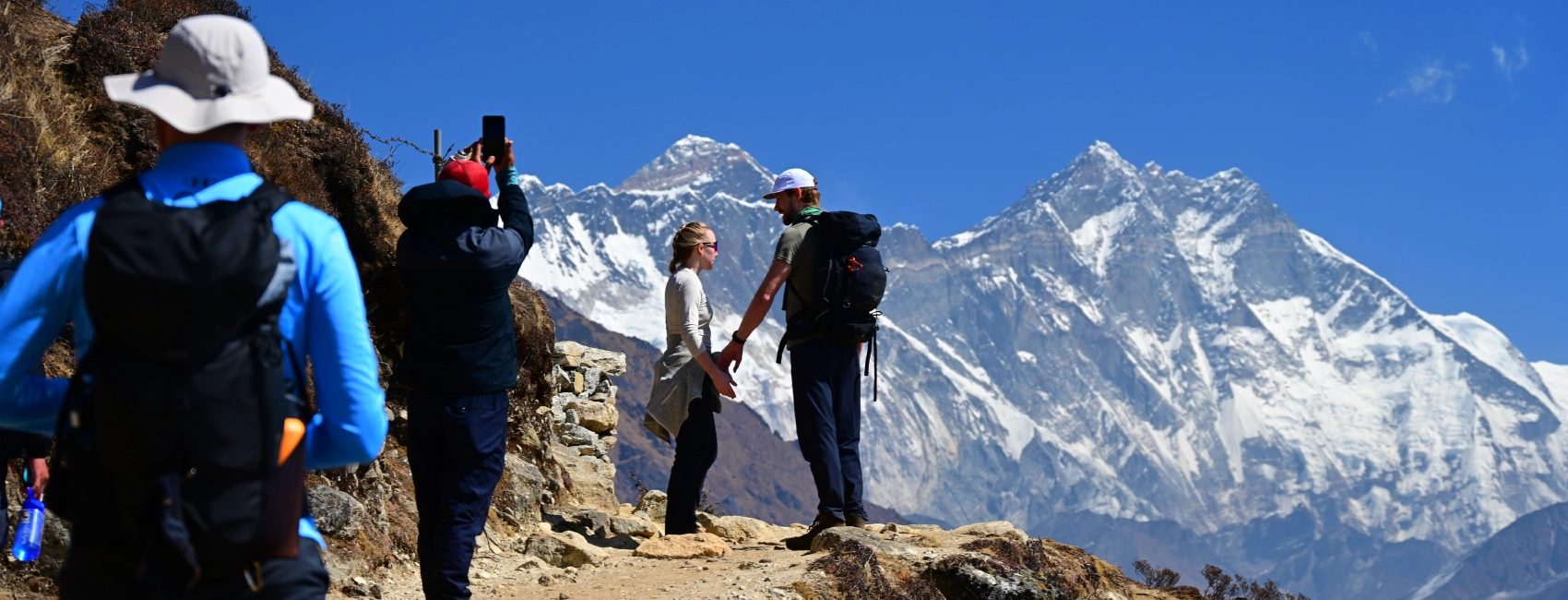

Visa and Permit Information for Trekking in Nepal is essential for adventurers who wish to enjoy the country’s beautiful scenery and incredible landscapes.Nepal attracts trekkers from around the world because of its beautiful scenery and incredible landscapes. By choosing to trek in Nepal, adventurers can enjoy stunning views of Himalayan vistas and explore authentic Himalayan culture.
Those planning for a trek need to acquire permits in order to enter protected parks and conservation areas to ensure the protection of wildlife, cultural heritage, and the natural environment.
There are also restricted areas that require a special permit. To trek in Manaslu, Nar Phu, or Kanchenjunga, you need to obtain a restricted area permit. The permit system ensures trekkers’ safety and also provides them with a chance to contribute to conservation while responsibly visiting Nepal.
In addition, through permits, the authorities can regulate trekking activities and manage tourist inflow. Being aware of visa policies and trekking permits in advance helps adventurers prepare smoothly and enjoy a hassle-free journey on the trail.
Nepal Trekking Visa Requirements
Tourists require a valid visa and passport to enter Nepal. Getting a visa on arrival in Nepal is simple and convenient. Travelers from eligible countries can obtain it at Tribhuvan International Airport. If you are entering Nepal by land, the same service is available at official border crossings.
You also have the option to obtain a visa in advance of your trip through the Nepalese Diplomatic Mission before arriving. If you choose to do so, ensure that you enter Nepal within six months from the date of issuance of the visa. Your stay period starts from the day you arrive in the country.
You need to get your visa from a nearby Nepalese Embassy or Consulate if you are from any of the following countries:
- Ethiopia
- Ghana
- Nigeria
- Afghanistan
- Somalia
- Liberia
- Iraq
- Cameroon
- Syria
- Zimbabwe
- Palestine
- Swaziland
- Refugees with valid travel papers
Steps to Get a Visa on Arrival
Step 1: Fill in the Application
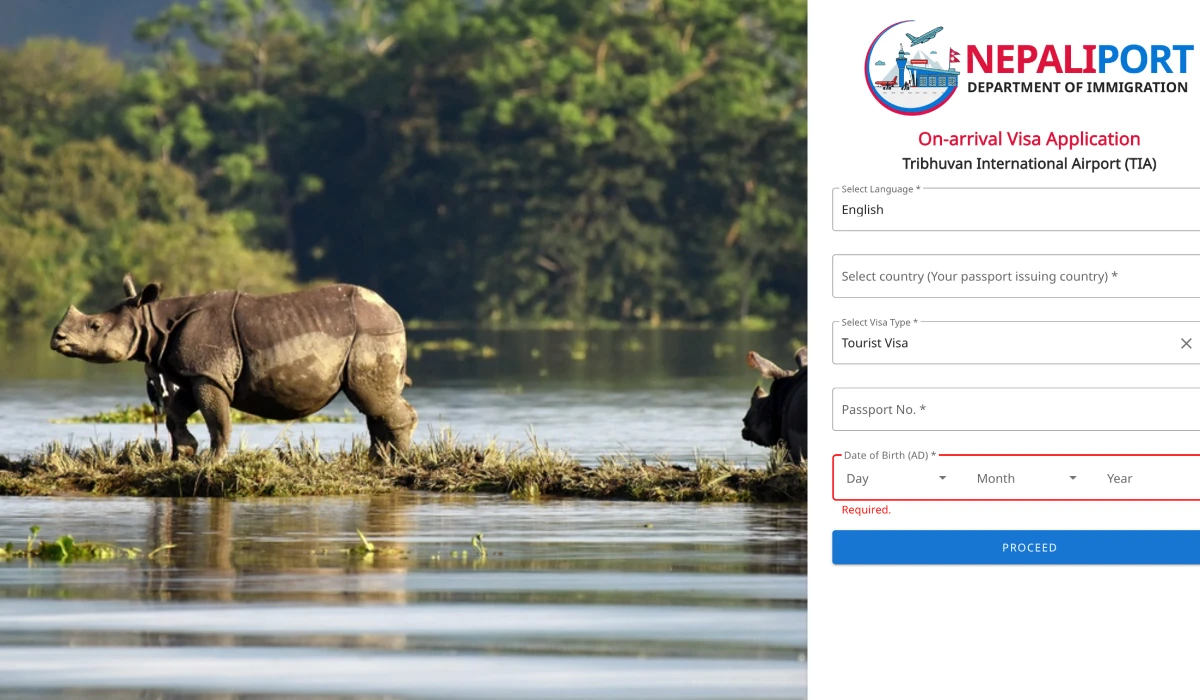
You can fill out the form using the kiosk machines available at the airport or complete it online. On your mobile, click on the link https://nepaliport.immigration.gov.np and select the Visa on Arrival option, or simply scan the QR code shown on the board to access the application directly.
Fill out the online form carefully. Once you submit it, you will receive a Tourist Visa Application form. You can then save this slip and proceed to the bank for payment.
Step 2: Pay the Fee
The second step is paying for the visa fee at the designated counter. Fees vary depending on your duration of stay:
- 15 days – US$30
- 30 days – US$50
- 90 days – US$125
Step 3: Immigration Processing
Proceed to the counter of the immigration officer after payment. You can bring the following documents:
- Your original passport
- The receipt of the visa application
- Payment receipt
Afterwards, your documents will be processed by the officer, and your visa will be issued.
Visa Extension
If you need to extend your tourist visa, the extension is a minimum of 15 days at a fee of US$45 and US$3 per day for additional days.
The extension gives trekkers and visitors the choice to stay longer if their plans change or if they wish to explore more of Nepal. Make sure to make timely payments for a hassle-free experience.
Trekking Permits in Nepal
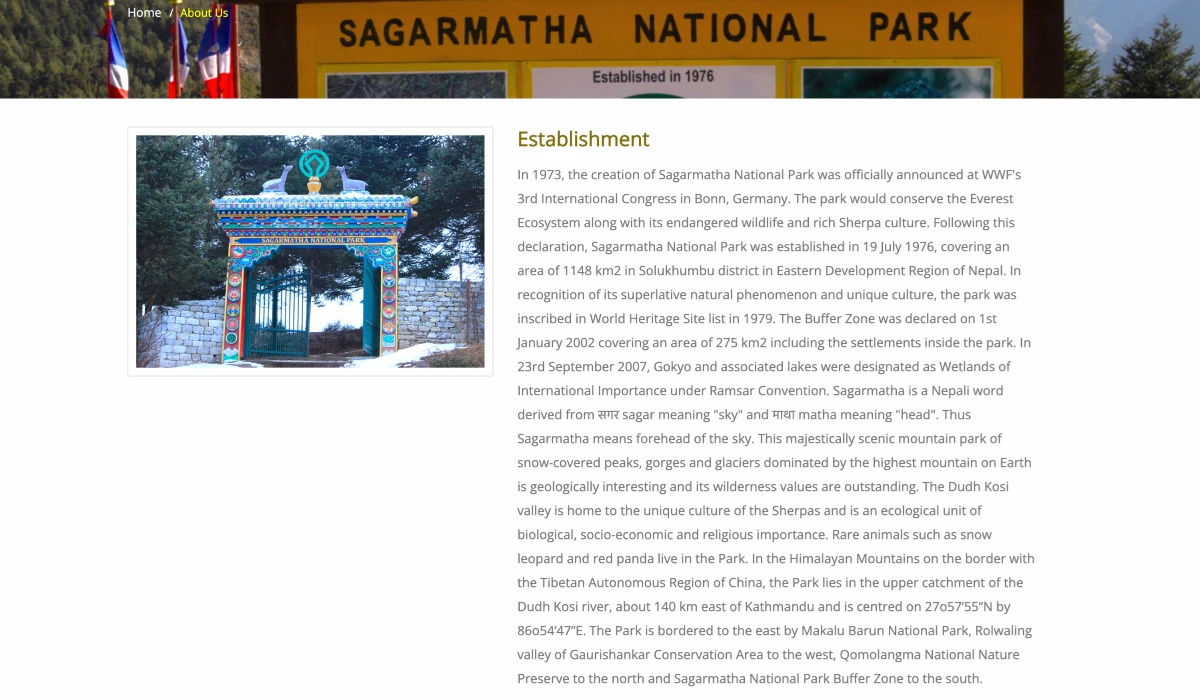
Trekking permits are a key part of Nepal’s tourism system. They are designed to keep travelers safe while exploring the Himalayan trails. Nepal has several high-altitude trekking trails. While exploring it is rewarding, it can also be challenging because of sudden weather shifts, altitude sickness, or unexpected accidents.
Permit records are maintained and checked at different checkpoints along the trail which allow the authorities to track the routes of trekkers, making it possible to respond rapidly in case of necessity.
Certain amounts of fees are collected through permits and are utilized to protect the Himalayas’ delicate environment. In addition, the permit system also encourages preservation of the natural environment, ensuring that trekking doesn’t affect the fragile ecosystems, cause waste problems, or disrupt wildlife.
Entrance fees in the form of permits are also used for conservation work, including trail maintenance, waste disposal, and wildlife protection.
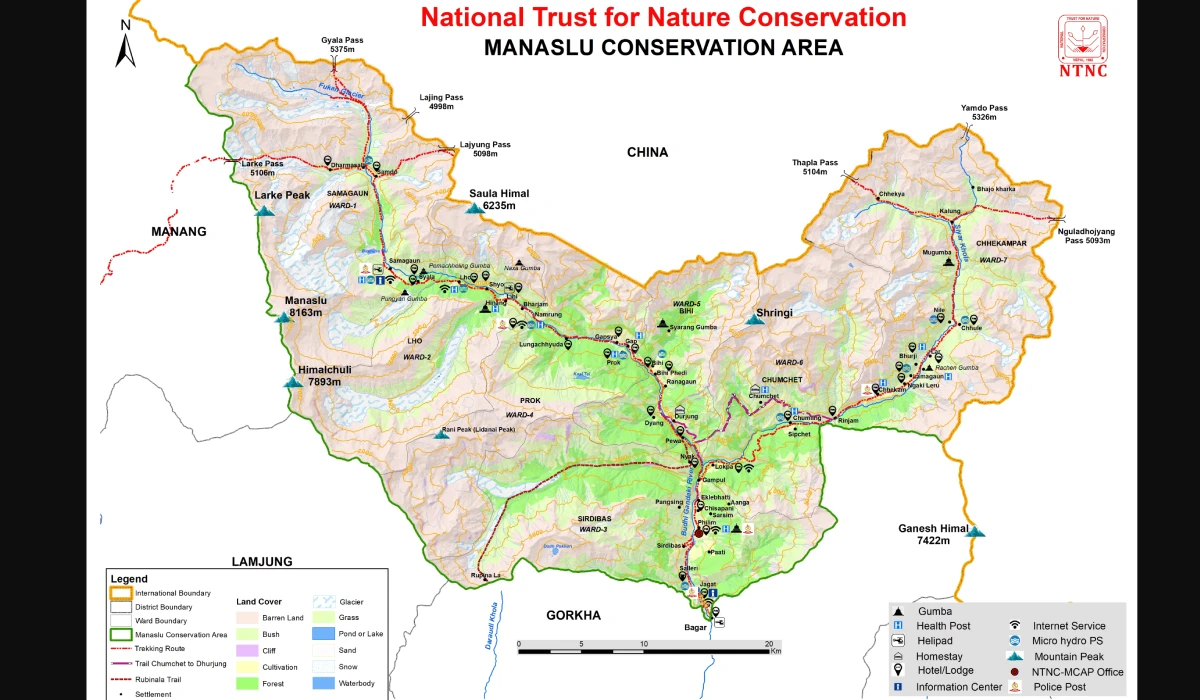
Places like Manaslu and Kanchenjunga also require a restricted area permit. These regions are pristine and not touched by modernization. People residing in these areas have well-preserved the culture for centuries.
Likewise, there are several monasteries and cultural sites in these Himalayan regions. With permit revenue, authorities can maintain and preserve these sites.
The permit policy also regulates trekking activity. It focuses on preventing over-tourism and the commercialization of the traditions of Himalayas.
Therefore, permits for trekking in Nepal are essential for trekkers’ safety, preservation of the environment, and cultural sites to ensure that mountain areas remain pristine and authentic for future generations.
Restricted Area Trekking Permits in Nepal
There are a few places, officially termed as Restricted Areas, which the Government of Nepal strictly controls. In these places, individual trekking is not permitted at all. To trek in these areas, one must have a special permit issued by the Department of Immigration.
To get this permit, trekkers must go through a registered trekking agency. The agency will apply for the restricted area permit at the Department of Immigration, completing all formalities on behalf of the clients.
Furthermore, the regulations in these areas should also be followed. In restricted areas, trekkers must travel in a group of at least two people and be accompanied by a licensed trekking guide. Solo trekkers cannot apply for these permits.
Permit fees vary by region, and trekkers must have a visa long enough to cover their entire trekking schedule.
Some Tips for Trekking in the Restricted Area
- Be respectful of local culture, traditions, and values.
- Follow the regulations set by the authorities. At least two trekkers should be in a group accompanied by the licensed guide.
- Stick to the official trail mentioned in the trekking permit. Changing routes is not allowed. The guides are responsible for implementing this rule. Follow their advice.
Restricted Area Permits and Their Costs
| Restricted Area Permits | Cost in USD(Per Person) |
| Manaslu RAP | September to November
December to August
|
| Upper Dolpo |
|
| Lower Dolpo |
|
| Darchula |
|
| Rasuwa Gosaikunda Restricted Area: Ward number 1 and some sections of Ward number 2. | $20 per week. |
| Upper Mustang |
|
| Bajhang RAP |
|