


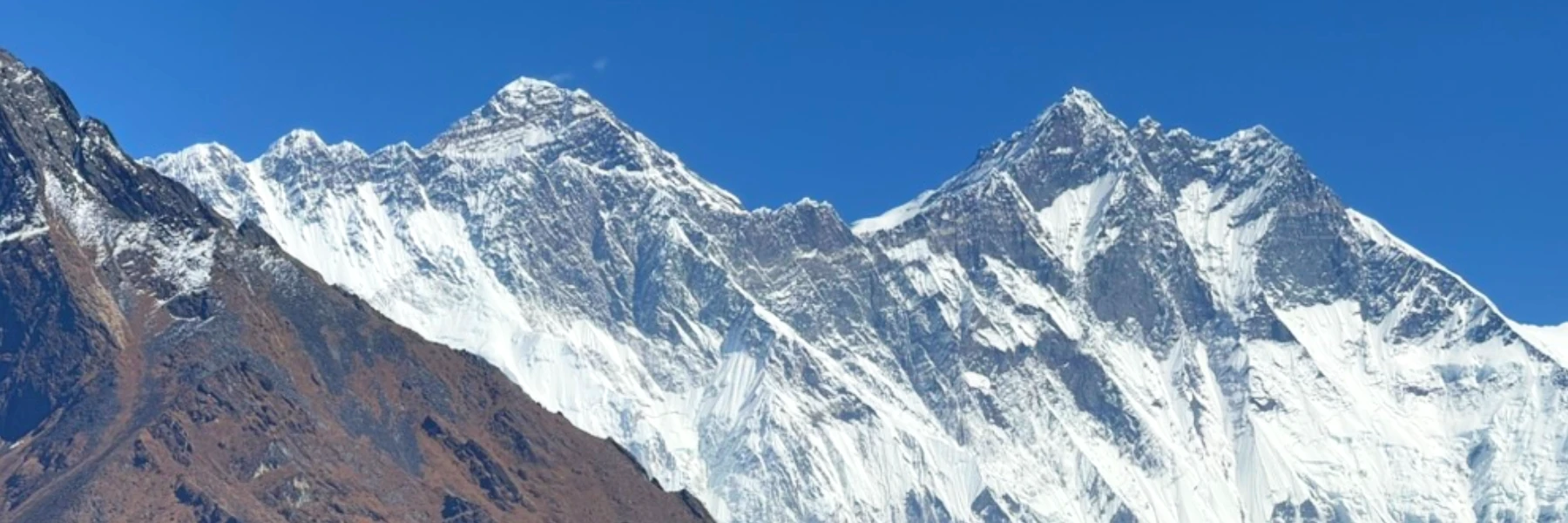

The Himalayas are not silent. They rumble with the sound of grinding continents, a slow, deep power that began 50 million years ago. Every few years, these mountains steal another few millimeters from the sky. This incredible collision is the only reason we have the Highest 5 Mountain Peaks five places where rock, ice, and human will meet the stratosphere.
These peaks, Everest, K2, Kangchenjunga, Lhotse, and Makalu are more data points on a map. They are characters in a story thousands of years old. Four of the five stand watch over Nepal, sacred to the Sherpa people. The last reigns supreme over the distant, savage Karakoram.
You don’t need to be a famous mountaineer to feel the pull of these heights. You need only to stand on the trail below, breathe the thin air, and watch the clouds break over the 8,000-meter line. That is where the adventure truly begins.
A Field Guide to the Highest 5 Mountain Peaks
Before we dive into the tales of the individual mountains, it helps to understand their standing. To be an Eight-Thousander is to sit where the air has only about 30% of the oxygen found at sea level. Of the fourteen such peaks on Earth, here are the undisputed rulers by elevation:
| Rank | Mountain | Height (m/ft) | Location | Fatality Rate (Approx.) |
| 1 | Everest | 8,848.86 / 29,032 | Nepal/China | 0.67% |
| 2 | K2 | 8,611 / 28,251 | Pakistan/China | 14–25% |
| 3 | Kangchenjunga | 8,586 / 28,169 | Nepal/India | 4.5% |
| 4 | Lhotse | 8,516 / 27,940 | Nepal/China | 2–3% |
| 5 | Makalu | 8,485 / 27,838 | Nepal/China | 5.7% |
For most of us, the best and most ethical way to connect with these Highest 5 Mountain Peaks is not through a summit push, but through the trek to the Base Camps. This journey offers a chance to experience the geological grandeur and rich cultural life without the extreme dangers of the Death Zone (above 8,000 meters), where oxygen is dangerously scarce. Sherpa wisdom reminds us that 68% of climbing deaths occur on the descent—pacing and acclimatization are survival secrets.
Mount Everest: Roof of the World
Everest needs no introduction. Rising 8,848.86 m above sea level, it is the highest of the highest 5 peaks and the ultimate symbol of the Himalayas. Locally, it is known as Sagarmatha in Nepal and Qomolangma in Tibet – names that carry ideas of sky, mother, and divine presence.
At first light, the summit often stands alone above a sea of cloud, a small triangle of orange against a pale blue sky. Down below, life is surprisingly human. In Tengboche, monks chant in a smoky monastery; at Namche Bazaar, traders sell vegetables, climbing gear, and steaming momos. Trekkers on the Everest Base Camp Trek share dining rooms with Sherpa guides, hearing stories of storms, narrow escapes, and quiet moments of joy in the high camps.
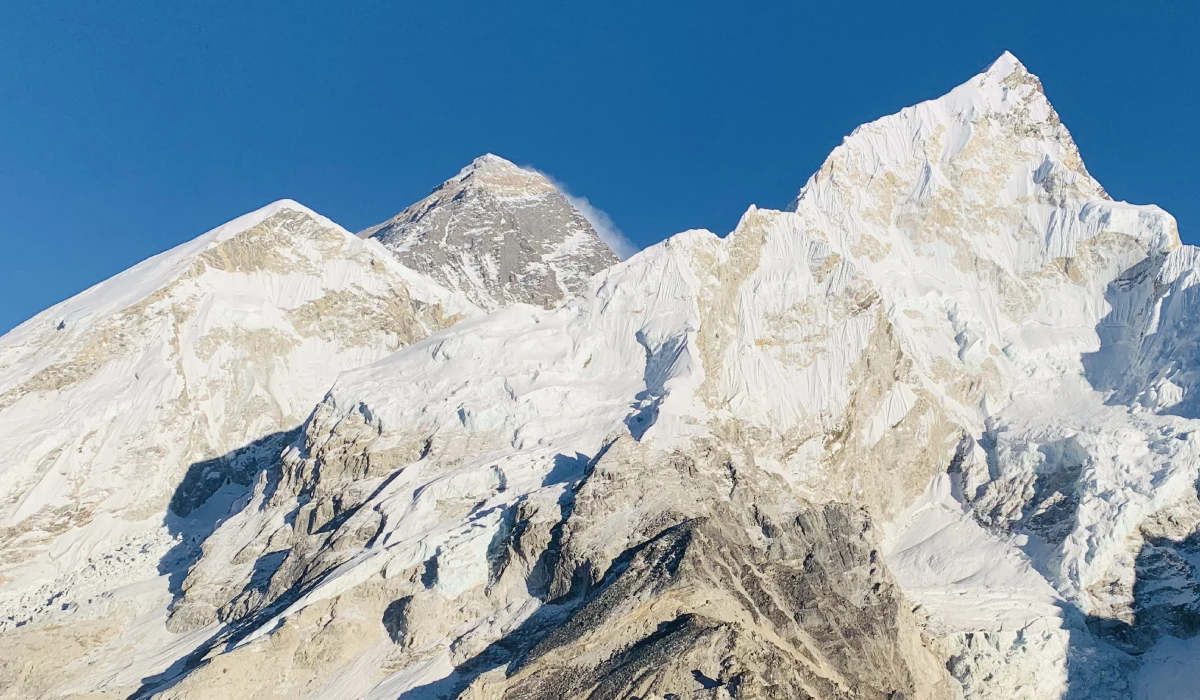
The mountain has become busier in recent years. New regulations, higher permit fees, and stricter waste management rules aim to make climbing more sustainable and safer. Cleanup campaigns have removed tonnes of rubbish and old gear from the slopes, proving that even on the world’s highest mountain, responsibility matters as much as ambition.
Seeing Everest Without Climbing It
For most people, the goal is not the summit but the journey to base camp. Over roughly two weeks, trekkers cross swaying suspension bridges, climb through rhododendron forests, and finally step onto the Khumbu Glacier at around 5,364 m. From viewpoints like Kala Patthar, the summit of Everest rises almost directly ahead, close enough to make your breath catch but still impossibly far away.
If you dream about the highest 5 peaks but prefer to keep both feet firmly on the trail, an Everest Base Camp itinerary is an ideal choice – challenging, but achievable for fit walkers with careful acclimatization.
K2: Savage Jewel of the Karakoram
Among the highest 5 peaks, K2 feels different. It rises from Pakistan’s Karakoram like a sharpened pyramid of ice, 8,611 m high and dramatically steep on all sides. Many climbers call it the most difficult and dangerous high mountain on earth.
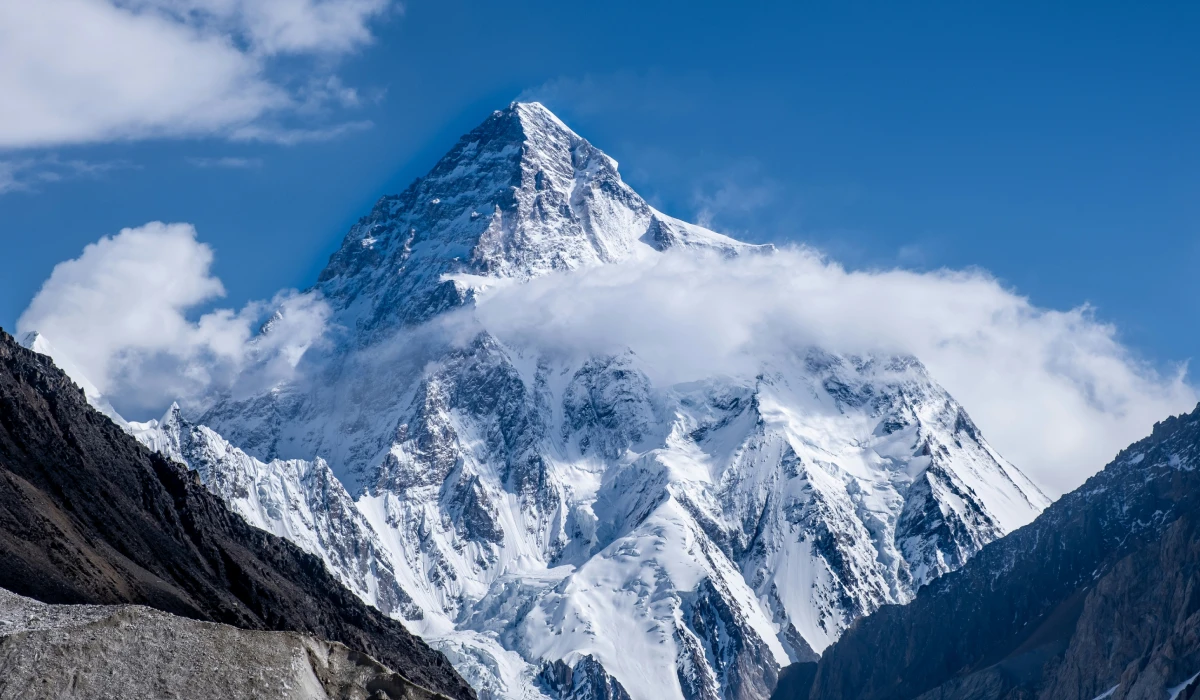
Unlike Everest’s relatively gradual standard route, K2 confronts climbers with exposed ridges, rock-fall zones, and the infamous Bottleneck – a steep traverse beneath towering seracs. Historically, a large percentage of those who reached the summit never came back down. Even today, with better weather forecasting and equipment, the risk remains sobering.
For trekkers, K2 is usually experienced from the Pakistani side on the Concordia and K2 Base Camp trek. Days are long, camps are remote, and the landscape feels raw. Here, you stand at the crossroads of several giants, with Broad Peak and other Karakoram summits crowding the horizon. In contrast to Nepal’s tea house culture, this is a world of expedition tents and long glacier approaches.
K2 may not be easily combined with a Nepal holiday, but understanding its presence completes the story of the highest 5 peaks. It is the wild counterpoint to Everest’s increasingly structured climbing scene.
Kanchenjunga: Mountain of Five Treasures
If Everest is a global celebrity, Kanchenjunga is the quiet mystic among the highest 5 peaks. At 8,586 m, it straddles the border between eastern Nepal and India’s Sikkim region. To local communities, it is more than a mountain; it is a guardian presence woven into myths, songs, and seasonal rituals.
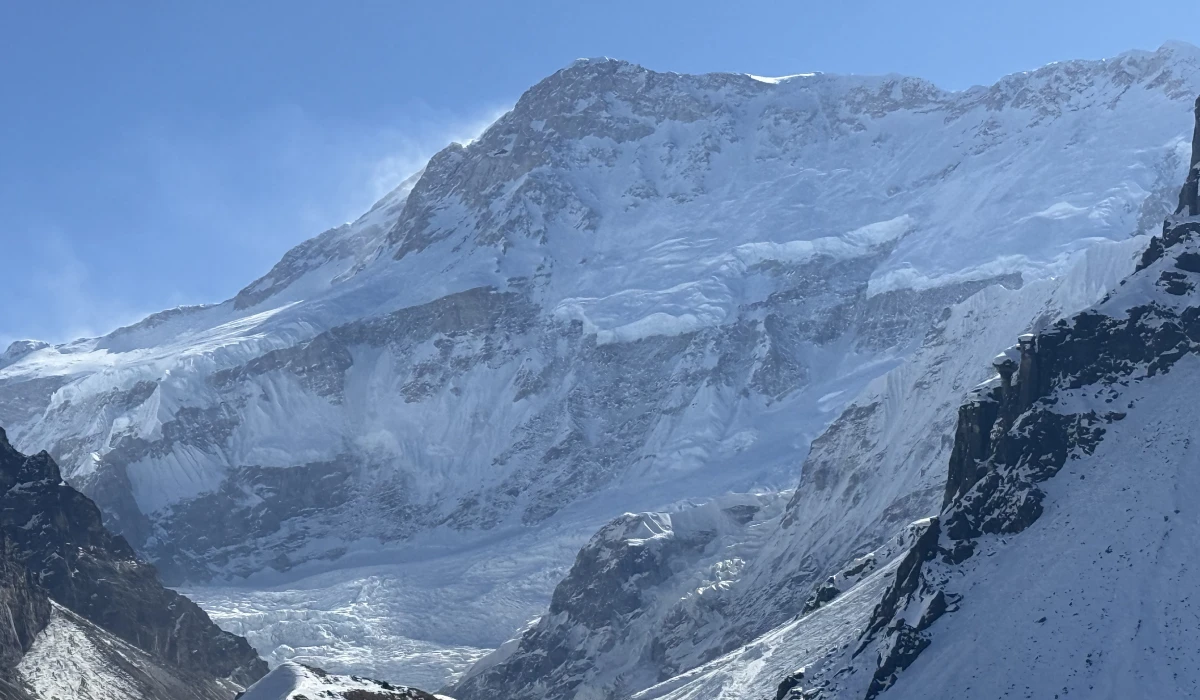
The name Kanchenjunga is often translated as “Five Treasures of the Great Snow,” referring to legendary stores of gold, grain, jewels, scriptures, and holy weapons hidden in its flanks. Climbers traditionally stop short of the very highest point out of respect for these beliefs, a rare example of summit restraint in modern mountaineering.
On the Nepalese side, the Kanchenjunga Base Camp Trek offers one of the most remote experiences in the country. Trails pass through terraced hillsides, Limbu and Rai villages, and deep forests where red pandas still move quietly between mossy branches. Higher up, the valleys open into wild glacial basins, and Kanchenjunga’s great bulk suddenly fills the sky, layered in ice and shadow.
This is a journey for those who prefer less visited paths, where hospitality feels personal and mornings are punctuated by the sound of distant bells rather than the buzz of busy airstrips.
Lhotse: Everest’s Steep-Shouldered Sister
Lhotse, at 8,516 m, shares much of its route with Everest from the Nepal side. Climbers heading for either summit travel together through the Khumbu Icefall and up the Western Cwm until they split at the high camp. From a distance, Lhotse looks like a massive dark wall attached to Everest’s southern flank, its great couloir slicing straight down from the summit.
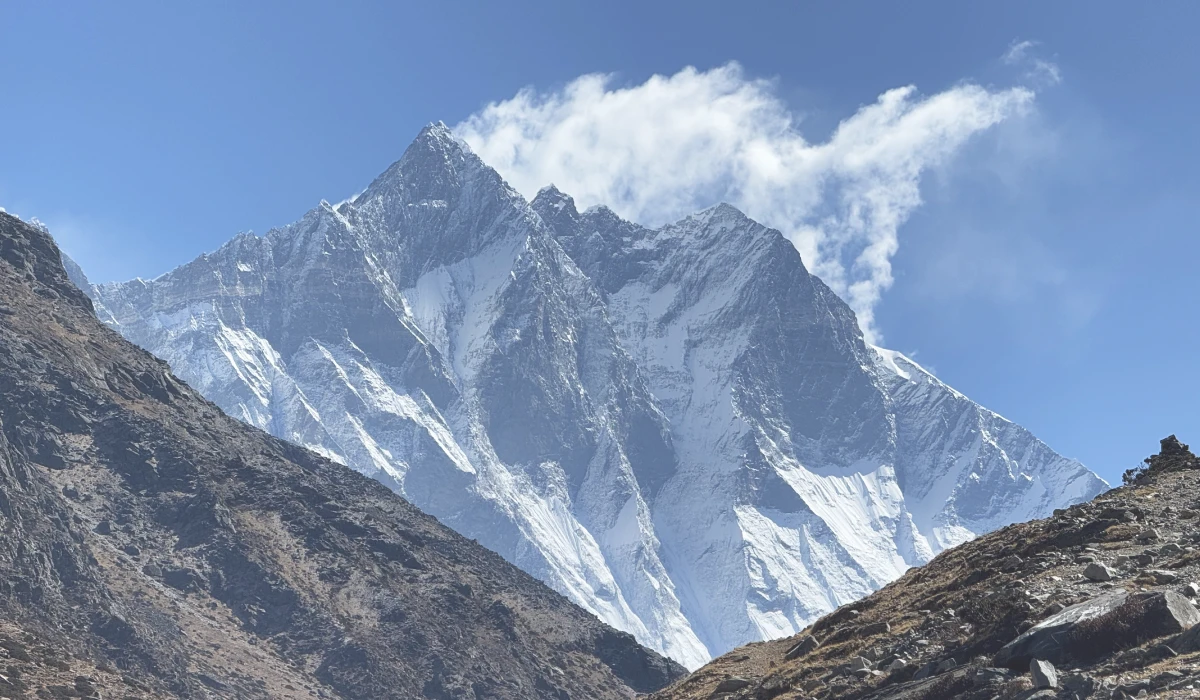
For trekkers, Lhotse is ever-present on the way to Everest Base Camp. It towers above Dingboche and Lobuche like a sentry, its faces catching late afternoon light as yaks trudge past stone-walled fields. Although it is often described as Everest’s “smaller” neighbour, in any other range it would be the undisputed monarch.
Because the standard summit route to Lhotse is steeper and more technically demanding than Everest’s South Col line, it tends to attract climbers who are comfortable on firmer ice and narrower couloirs. Yet to those on the trails below, it feels like part of one grand skyline, a reminder that four of the highest 5 peaks are clustered tightly around the Khumbu region and eastern Nepal.
Makalu: The Silent Pyramid
Fifth among the highest 5 peaks, Makalu rises 8,485 m as a sharp, symmetrical pyramid east of Everest. From certain viewpoints in the Khumbu, it appears on the far horizon, a lonely spire floating above layered ridges. Up close, it is anything but gentle.
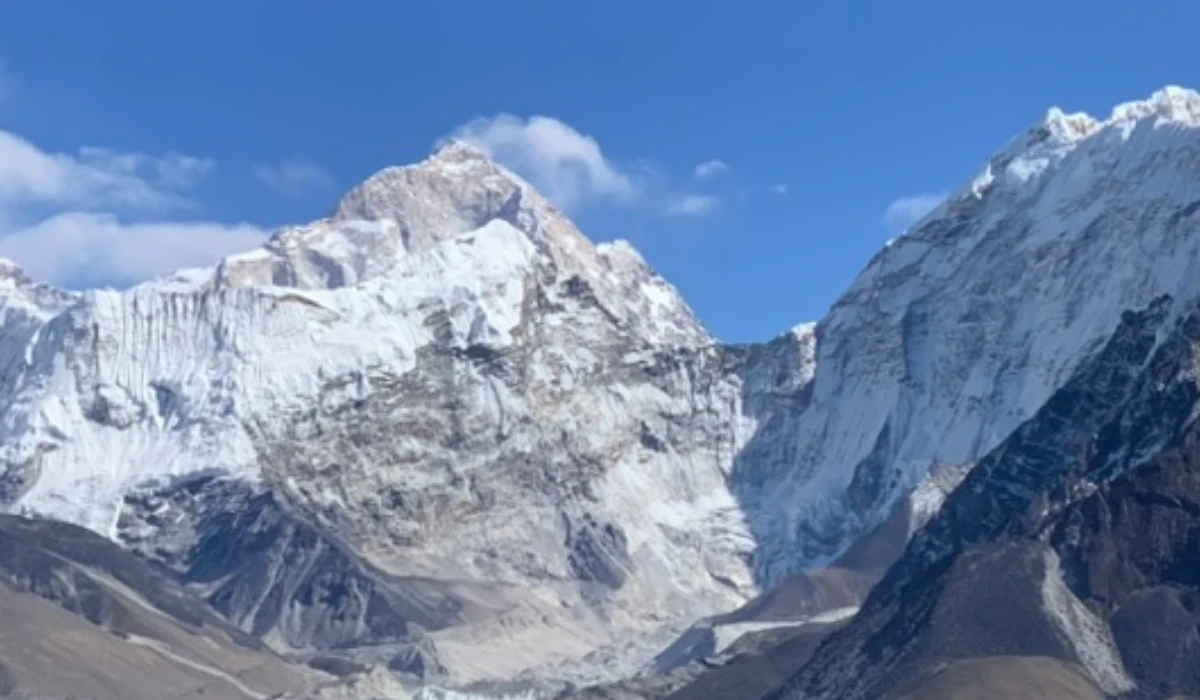
Climbers tackling Makalu contend with steep ice, knife-edge ridges, and serious exposure. The mountain is known for being both remote and demanding, usually drawing experienced teams rather than first-timers. Weather can close in quickly here, and retreat often takes as much energy as the ascent.
Trekkers, on the other hand, can explore this giant through the Makalu Base Camp Trek. The journey starts in lower, warmer valleys where cardamom dries on rooftops and children wave from traditional houses. Gradually, the trail climbs through dense forests into a high world of rock, ice, and silence. Nights become colder, stars brighter. Then, at last, Makalu appears above the Barun Valley – stark, brilliant, and utterly unforgettable.
Nepal: Land of Four of the Highest 5 Peaks
One striking fact often surprises visitors: Nepal hosts or shares four of the highest 5 peaks – Everest, Kanchenjunga, Lhotse, and Makalu. This concentration exists because the country sits directly on the collision zone between the Indian and Eurasian tectonic plates, where the Himalayas continue to rise each year.
For travelers, this geology translates into a remarkable variety of trekking routes within a relatively small area. In just a few weeks, you can walk beneath Everest and Lhotse, then fly west to explore Annapurna, or head east to the quieter valleys below Kanchenjunga and Makalu. Few destinations offer such a dense cluster of high, accessible mountain landscapes.
For planning inspiration and official travel updates, resources like the Nepal Tourism Board provide useful background on seasons, permits, and regional highlights.
Tallest vs Highest: A Common Mountain Myth
A frequent question appears in conversations about the highest 5 peaks: is Everest really the “tallest” mountain on earth? The answer depends on how you measure.
Everest is the highest above sea level. However, Hawaii’s Mauna Kea is taller when measured from its base on the ocean floor to its summit. That hidden section lies underwater, so most climbers and geographers still use sea-level height for global rankings. By that standard, Everest remains number one, followed by K2, Kanchenjunga, Lhotse, and Makalu.
Experiencing the Highest 5 Peaks from Base Camp
Climbing any of the highest 5 peaks is a lifetime commitment in terms of training, finances, and risk. But walking to their base camps offers deep rewards without entering the extreme world above 8,000 m.
- Everest Base Camp Trek – Around 12–16 days, passing through Sherpa villages, ancient monasteries, and high viewpoints like Kala Patthar. Ideal for trekkers who want to stand face to face with the world’s highest peak.
- Kanchenjunga Base Camp Trek – A longer, wilder journey of three weeks or more, leading through conservation areas rich in biodiversity, with far fewer trekkers on the trail.
- Makalu Base Camp Trek – Remote and rugged, suited to experienced hikers seeking solitude and unspoiled landscapes under the fifth-highest mountain in the world.
These routes not only showcase the highest 5 peaks, but also immerse you in mountain cultures where hospitality is as important as summit dreams. Evenings are spent warming your hands around a cup of tea, watching clouds drift past ridgelines that have defined local life for generations.
High Altitude Realities and Ethical Travel
Any journey near the highest 5 peaks involves altitude. Above 3,000 m, the air begins to thin; above 5,000 m, each step feels heavier. Careful acclimatization, steady pacing, and good hydration are essential, whether you are climbing or simply trekking to base camp.
Ethical travel here also means leaving as little impact as possible. That includes packing out rubbish, supporting responsible expedition companies, and respecting local customs such as puja ceremonies that bless climbs and treks. On peaks like Everest, ongoing cleanup campaigns have already removed large amounts of old waste, yet the work continues every season.
When you choose a trekking company, look for transparent policies on porter welfare, waste management, and safety. Small decisions – such as carrying a refillable bottle instead of buying plastic at each lodge – add up over the length of a trek.
Which of the Highest 5 Peaks Fits Your Dream?
Each of the highest 5 peaks tells a different story and attracts a different kind of dreamer.
- Everest – Best known and most accessible from a trekking perspective, with well-established routes and infrastructure in Nepal’s Khumbu region.
- K2 – Reserved for highly skilled climbers with extensive high-altitude experience; its trekking approach in Pakistan suits adventurous travelers comfortable with rough logistics.
- Kanchenjunga – Ideal for trekkers seeking remoteness, cultural depth, and fewer crowds, with a strong spiritual aura surrounding the mountain.
- Lhotse – Shares much of the Everest route; appeals mainly to experienced climbers, while trekkers enjoy its presence from the same Khumbu trails.
- Makalu – A magnet for those who love solitude, demanding trekking, and dramatic, less developed mountain scenery.
For many, the most meaningful choice is not which summit to stand on, but which valley to walk through. A carefully planned base camp trek lets you experience the highest 5 peaks through village life, monasteries, wildlife encounters, and the quiet rhythm of walking, day after day, under ever-changing sky.
Final Thoughts
The highest 5 peaks of our planet are far more than statistics. Everest, K2, Kanchenjunga, Lhotse, and Makalu rise from landscapes filled with families, prayer flags, herds of yak, and stories told beside kitchen fires. They shape clouds, influence rivers, and draw visitors from every corner of the world.
Whether you are reading this from a city desk, planning your first Himalayan trek, or considering a return journey to Nepal, these giants will always be there on the horizon. Choose a route that matches your fitness, respect local culture, travel lightly, and let the mountains do what they do best – humble, inspire, and quietly change the way you see the world.