


Planning to do the Kanchenjunga Trek, one of the least-trekked routes in Nepal? Want to be one of the few hundred trekkers to reach Kanchenjunga’s north and south base camps? Then, understanding the permit requirements is the first step to planning your Kanchenjunga Circuit Trek.
Unlike popular treks in Nepal, Kanchenjunga is a restricted region that requires a special permit (Restricted Area Permit) to enter or trek. Also, trekkers must follow particular rules designed to protect this remote region.
As the area is highly fragile, there are specific rules and regulations you must know before trekking here. This Kanchenjunga Trek Permit and Cost Guide 2026/27 explains the permits required, what they cost, how to apply, and the key regulations you must follow for the Kanchenjunga Circuit Trek.
Why is a special permit necessary for the Kanchenjunga Trek?
The Kanchenjunga region is located in the eastern part of Nepal, bordering Sikkim, India, and Tibet. This makes the area a sensitive border zone. It is the major reason the area has specific security regulations. The Restricted area permit rules were established for:
Secure the sensitive border areas: The special permit helps to monitor the movement of trekkers in the sensitive border areas. Special permits help the authorities track visitors inside the Kanchenjunga region, which is an important border zone.
Environmental protection: The Kanchenjunga region has a rare and fragile Himalayan ecosystem that needs more caution. As the restricted area permit helps limit travel, it manages waste, excessive footprint, and pressure in forests and their biodiversity.
Protect local culture: The Kanchenjunga region is home to diverse ethnic communities, which include Limbu, Rai, Tamang, Gurung, Magar, Chhetri, and Sherpa. They have had their own traditional ways of living for centuries. This permit system helps prevent the rapid commercialization and cultural destruction. With a mandatory guide rule, it ensures that the cultural knowledge is shared authentically and the activities are monitored.
Safety of the trekkers: Terrain around the area is isolated and challenging, including walking in high altitude areas and mountain passes. The requirement of a guide and proper licensed trekking agency ensures the traveler’s safety. In most areas, the internet and communication sources might not be reliable; there might be some mixed trails, where trekking guides become crucial for navigation and rescue operations if required.
Supporting the local economy: The mandatory requirement to hire guides and porters through registered agencies ensures that tourism revenue flows directly into local communities. Permit fees contribute to community development projects, including school construction, health posts, and infrastructure improvements.
Required Kanchenjunga Trek permit and Cost details
You need a total of three separate permits to trek the Kanchenjunga Circuit Trek:
Restricted Area Permit (RAP) for Kanchenjunga Conservation Area
This includes Olangchung Gola, Lelep, Papung, and Yamphudin VDCs in the Kanchenjunga Region. Here is the cost details for restricted Kanchenjunga region according to the recent notice of government of Nepal.
Cost structure:
for the first 4 weeks: US $20 per person per week
After 4 weeks: USD $25 per person per week
Key Requirements:
• Must obtain a restricted area permit through a registered trekking agency specific to the Kanchenjunga Conservation Area
• Cannot be obtained independently
• Require a licensed trekking guide with a ratio of 1 guide for a maximum of 7 trekkers
• Valid only for specific dates and route
• Passport copy required
• Processing time: 1-2 business days in Kathmandu
Important Notes:
• The RAP is issued by the Department of Immigration in Kathmandu
• Your guide must carry the original permit during the trek
• Permits are checked at multiple checkpoints
• Extensions are difficult to obtain; plan your dates carefully

Kanchenjunga Circuit Trek – 22 Days
Kanchenjunga Circuit Trek is one of the least-traveled treks in eastern Nepal, which borders Sikkim and Tibet. It offers a journey around the world’s third-highest mountain, Mount Kanchenjunga. This adventure explores Kanchenjunga’s North...
 22 Days
 Challenging
US$ 2200
Restricted Area Permits for solo Trekker in Kanchenjunga
Before March 22, 2026/27, the Restricted Area Permit for Kanchenjunga required a minimum of two trekkers to be issued. This meant solo travelers had to find at least one other person to form a group before permits could be processed.
However after the udated Restricted Area Permit (RAP) rules for solo trekker, Nepal has eased the requirement and now allows RAP issuance for single trekkers in restricted areas, including Kanchenjunga.
Important note: Solo trekking still doesn’t mean you can trek independently. The RAP must be processed through a government-registered trekking agency and the trekker must be assisted by the lisenced trekking guide. For more detailed information on what has changed and what remains the same under the permit regulations check out Restricted Area Permit – Solo Trekker updates and RAP process.
Kanchenjunga Conservation Area Permit (KCAP)
Cost Structure:
For foreigners NRs. 2000 per person per entry
For SAARC nationals NRs. 500 per person per entry
For children below 10 years old, it is free
Purpose:
• This supports conservation efforts in the Kanchenjunga Conservation Area
• Helps in funding wildlife protection, trail maintenance, infrastructure, and community development
• Managed by the National Trust for Nature Conservation (NTNC)
Obtained through
• Registered travel agency
• From Nepal Tourism Board office/online
TIMS Card (Trekkers’ Information Management System)
Cost structure:
For SAARC citizens, NPR 1000
For other foreigners, NPR 2000
Purpose:
• Trekker safety and tracking
• Emergency rescue coordination
• Statistical data collection
• Environmental management
Obtained through
• Registered travel agency
• From Nepal Tourism Board office/online
Requirements to issue the Kanchenjunga Conservation Area Permit and TIMs Card
• Passport copy
• 2 passport-sized photos
Permit Checkpoints on the Kanchenjunga Circuit Trek
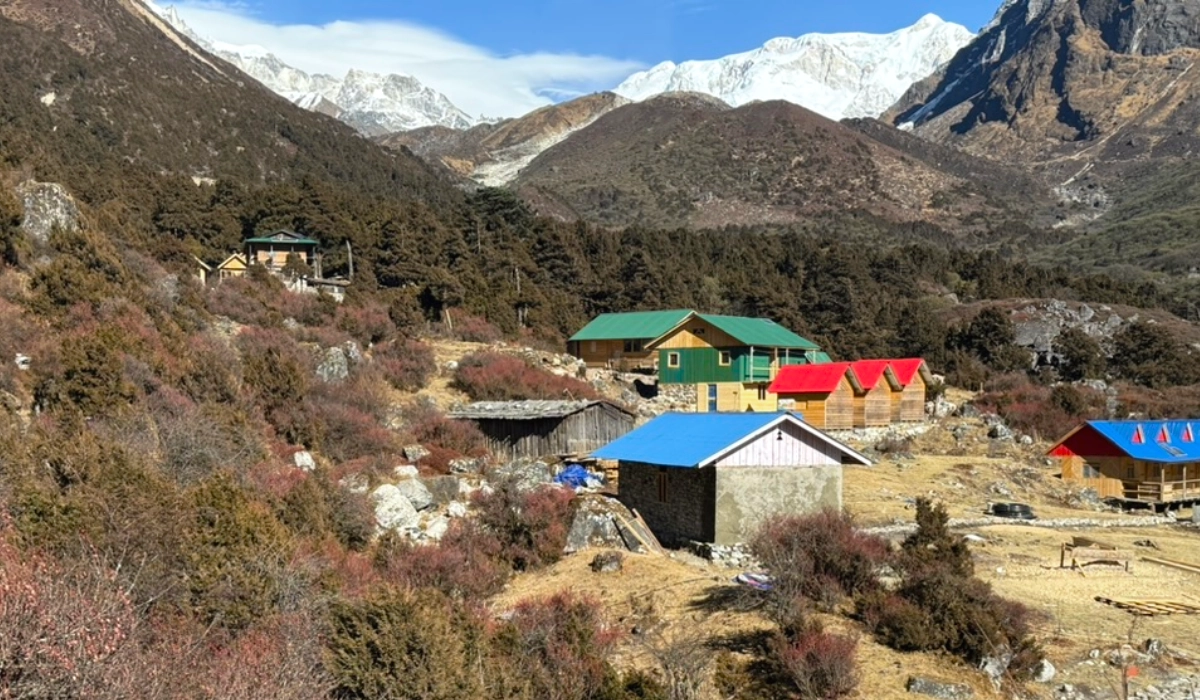
On the Trek, your permits will be checked at multiple locations. Your guide handles all the permit process throughout the trek.
Checkpoint Locations:
• Taplejung – Initial entry checkpoint
• Mitlung – Lower Valley checkpoint
• Sekathum – Conservation area entry
• Ghunsa – Major checkpoint before North Base Camp
• Tseram – Southern valley checkpoint
• Yamphudin – Exit checkpoint
What happens at the permit Checkpoints:
• Officials verify permit details
• Record entry in logbook
• Check guide credentials
• Stamp permits
• Brief safety information
Environmental and Cultural Regulations
• No hunting or plant collection
• No defacing cultural sites
• No open fires (use teahouse stoves only)
• No photography inside monasteries without permission
• Remove shoes before entering the monastery
• Walk clockwise around religious sites like monasteries and mani walls on the trail
Drone Regulations
Drone Use is prohibited in the Kanchenjunga Conservation Area without special permission:
• Requires a separate permit from the Civil Aviation Authority
• Permission from the Department of National Parks
• Permissions from the local authority
Restricted Zones- places you must avoid
After your journey begins, you must follow the approved itinerary, rules, and regulations of the area. Certain parts near the India-Tibet border are completely off-limits:
• Areas beyond Pangpema (North Base Camp)
• Regions north of Lhonak
• Border areas east of the main trail
• Military zones (clearly marked)
Mandatory Guide Rule
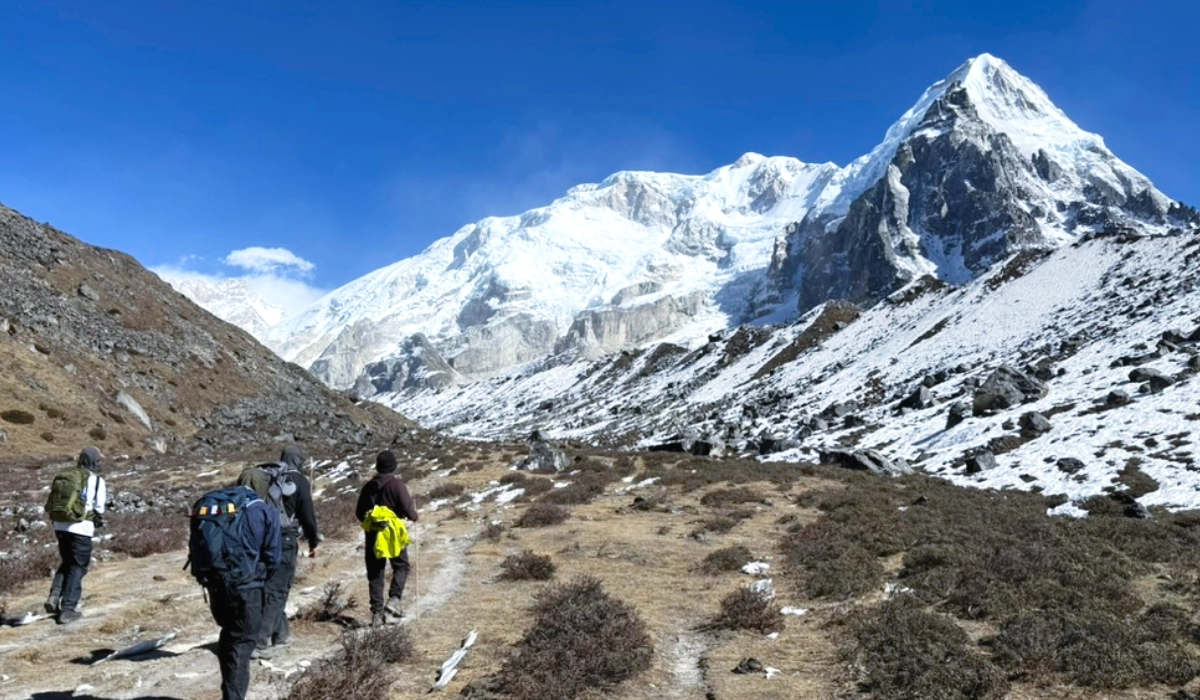
Independent trekking is not allowed in Kanchenjunga. You must have a licensed trekking guide from the Nepal Tourism Board.
Reasons for the necessity of the guide:
• Remote location with limited rescue facilities
• Complex navigation in unmarked sections
• Language barriers in isolated villages
• Cultural mediation and local knowledge
• Safety in case of altitude sickness or emergency
How to obtain Kanchenjunga Trek Permits: step-by-step process
Step 1: Choose a Registered Agency
• Research agencies with Kanchenjunga experience
• Verify registration with Nepal Tourism Board
Step 2: Submit Documents
Send to your agency:
• Passport copy (valid for 6+ months)
• 2 passport-sized photos
• Travel insurance details
• Preferred trek dates
• Flight details
Step 3: Agency Processes Permits
Your agency then:
• Apply for RAP at the Department of Immigration
• Obtain KCAP and TIMS
• Arrange the required guide and porter
• Book accommodation in Kathmandu if required (or if you have already booked in Kathmandu, then the agency assists you with pick-up and drop-off facilities)
• Organize ground transportation required for the overall Kanchenjunga trek
Step 4: pre-planning after arrival in Kathmandu
• Meet your agency representative
• Meet your guide
• Take the final briefing and preparation
Permit Extensions and Modifications
If you have a change of mind and want to spend more time or make modifications to the itinerary
Extending Your Trek
If you need more time:
Process:
• Contact your agency immediately
• Extension must be requested before the permit expires
• Approval not guaranteed
Challenges:
• Limited communication in remote areas
• Officials may not be available
• Better to plan extra days initially
Changing Itinerary
Minor Changes:
• Adjusting rest days: Usually acceptable
• Slight route variations: Inform guide
Major Changes:
Different route: May require a new permit
Extended duration: Requires extension
Adding side treks: consult your guide and agency
What to look for before you choose a trekking agency
Essential Criteria
• Registered with Nepal Tourism Board
• TAAN (Trekking Agencies’ Association of Nepal) membership
• Specific Kanchenjunga experience
• Positive online reviews
• Clear contract and pricing
• Insurance for staff
• Emergency protocols
FAQs on Kanchenjunga trek permit and cost
Can I get permits on arrival in Taplejung?
No. RAP must be obtained through a government-registered agency in Kathmandu. The Rap is only issued by the Department of Immigration office. To avoid disruptions, permits should be finalized before flying or driving to the trailhead.
How long does permit processing take?
It takes 1-2 business days in Kathmandu for RAP. And KCAP and TIMS are issued the same day. Building at least one buffer day in Kathmandu is recommended.
Can I trek Kanchenjunga without a guide?
No. A licensed trekking guide is mandatory for Restricted Area Permits. The guide requirement is part of the government’s safety and monitoring framework.
Are permits refundable if I cancel?
Generally, no government-issued permits are typically non-refundable once processed. Any refund or credit usually depends on the agency’s cancellation policy.
Do children need permits?
Yes, all trekkers, regardless of age, need permits. Some permit categories allow children under 10 to get discounts.
Can I use the same permits for multiple entries?
No. Permits are valid for a single entry with specific dates. Leaving the permitted area and re-entering later usually requires new authorization. Permit validity and entry conditions should be checked carefully during itinerary planning.
What happens if the weather delays my trek?
Weather delays are mostly common in the eastern part of Nepal. It is best to have buffer days in your itinerary. Extensions are difficult to obtain.
Conclusion
The permit process for the Kanchenjunga Circuit Trek can look complicated to understand, but it is all done by your chosen trekking agency, so the process can be hassle-free. Because Kanchenjunga includes government-designated Restricted Areas, this permit system is regulated to protect the pristine nature of the Kanchenjunga region and to ensure the safety of each and every traveler.
Ready to start planning the Kanchenjunga trek?
Looking for the right trekking agency is as complicated as understanding the permit system. To make it easier for you, Explore Vision Nepal is a local government-registered trekking agency that has more than 15 years of experience in organizing treks, tours, and expeditions all around Nepal. We handle all the permit arrangements, logistics, best itineraries, guides, and porter service.
Contact Explore Vision Nepal today to begin planning your Kanchenjunga adventure and ensure all the permits are properly arranged before your journey.
For detailed information about Kanchenjunga, which includes everything you need to know about the mountain Kanchenjunga and the Kanchenjunga Circuit Trek, read our complete Mount Kanchenjunga Guide 2026/27.