



- Pashupatinath Temple in Kathmandu is amongst the holiest temples dedicated to Lord Shiva. Many devotees and tourists from all over the world visit this temple.
- This temple is closely connected to Hindu legends associated with Lord Shiva.
- It has been declared a World Heritage Site by UNESCO.
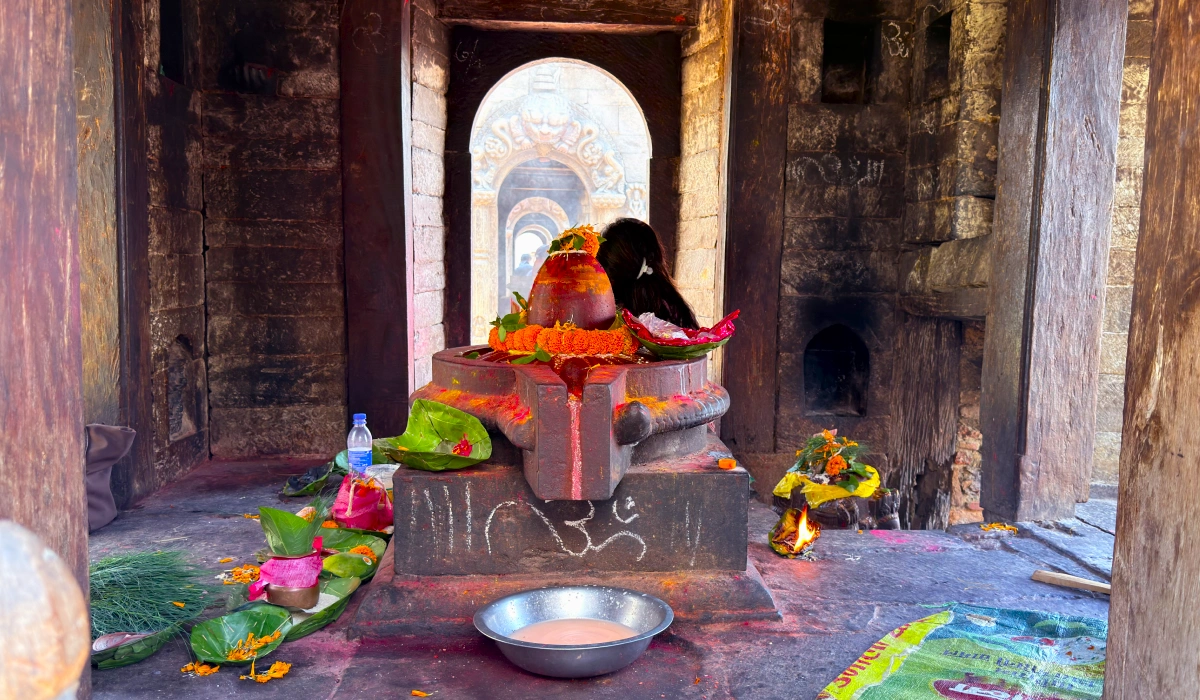
- Pashupatinath Temple features traditional pagoda style architecture and a Shiva Linga.
- Many religious practices and rituals take place in the Pashupatinath temple which include Arti, religious offerings and cremation rites on the banks of the Bagmati River.
Pashupatinath temple is located on the banks of the Bagmati River in the Kathmandu Valley. It is one of the most revered Hindu temples in the world. It is considered an important part of Nepal’s spirituality where devotion, traditional practices, rituals, cremations and daily prayers exist side by side.
For many travelers, Pashupatinath is not only sightseeing stop but is an emotional experience. At the temple complex, you can hear temple bells ringing. You can see sadhus meditating and people praying. In addition, you can also witness Hindu and cremation rites taking place along the riverside. This place can feel awe inspiring, powerful and deeply moving all at once.
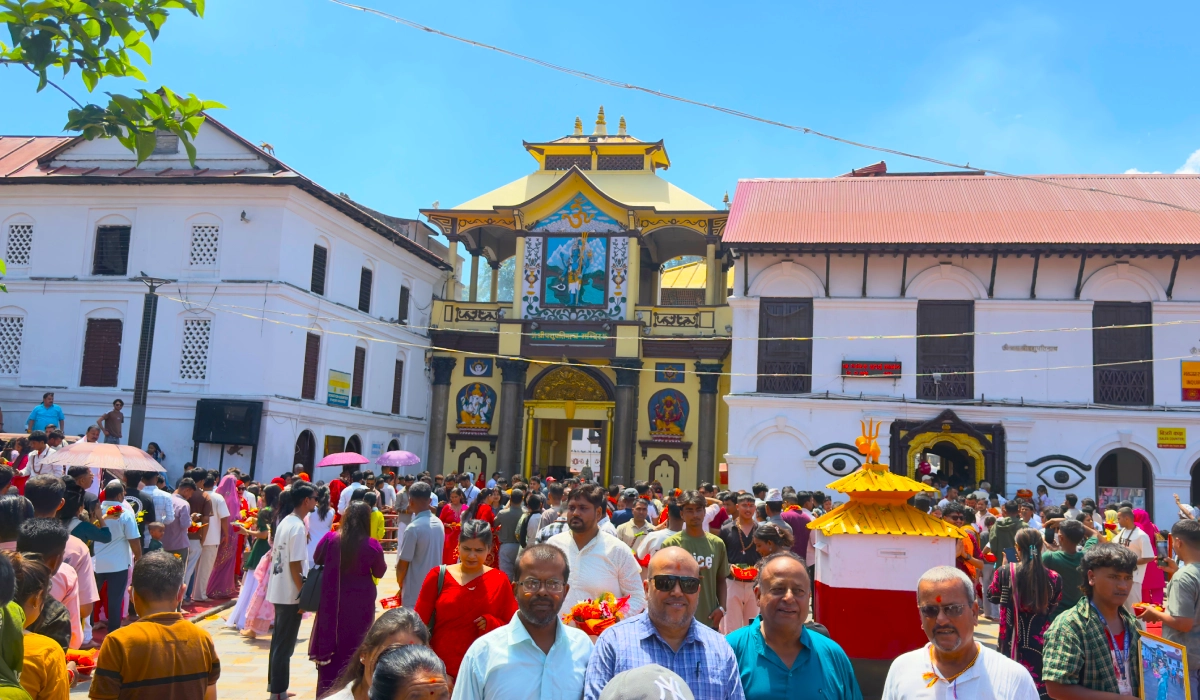
This UNESCO World Heritage Site is located in Kathmandu, the capital city of Nepal. This sacred site draws several pilgrims from across South Asia. Many curious travelers from every corner of the globe also visit this site to learn about its history and observe the centuries old religious practices.
Whether you are deeply religious or simply a traveler, Pashupatinath offers a chance to witness traditions that have continued and unchanged for centuries.
Pashupatinath Temple Nepal: Visitor Guide
Pashupatinath Temple Location
The Pashupatinath Temple is located in Gaushala, Kathmandu, just 3 to 4 kilometers away from Tribhuvan International Airport. If you are staying in Thamel, the journey to temple of Pashupatinathtakes about 20 to 30 minutes, depending on the traffic conditions.
How to Reach Pashupatinath Temple?
If you are considering convenience while visiting the temple, you could easily go by taxi. Alternatively, if you want a cost-effective choice, then there are always bus and microbus available to travel around. You may also opt for a taxi or a bike from popular ride-sharing apps in Nepal.
We at Explore Vision Nepal also organize Cultural Heritage Tour to Kathmandu valley including Pashupatinath Temple. The tour includes comfortable transportation to the temple. In addition, we also offer a guided visit which makes your temple visit convenient and organized.
Entry Guide to Pashupatinath Temple in Kathmandu Nepal
The entrance to the inner sanctuary itself is reserved only for Hindus. However, non-Hindus can still explore the surrounding temple premises including the riverbanks, outer complex, nearby shrines and designated viewing areas.
Photography is strictly prohibited within the inner sanctum of the temple. Shoes should be removed by all guests prior to entering the prayer area. In addition, all visitors must behave respectfully around religious ceremonies and cremation rituals.
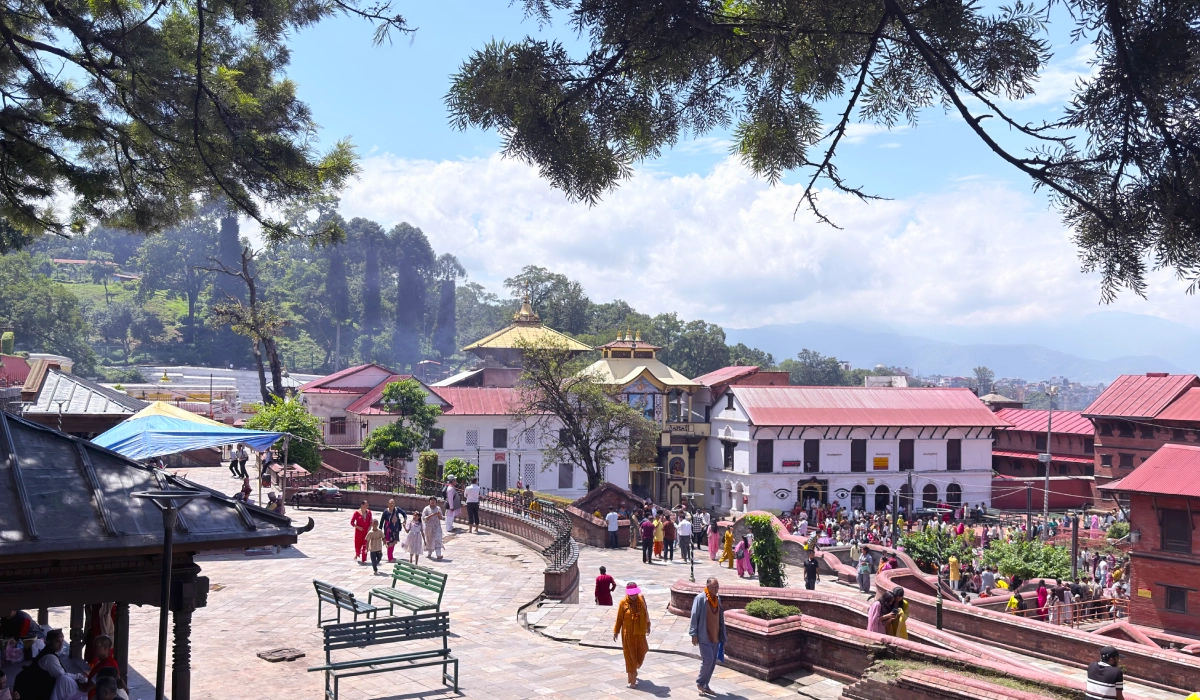
Entrance Fees of Shree Pashupatinath Temple Kathmandu Nepal
Entry into the Pashupatinath Nepal Hindu temple is regulated with different fees that can vary according to nationality. For citizens of Nepal and India, the entry is free.
Foreign tourists have to pay NPR 1,000 which allows entry to the outer parts of the temple complex. Tickets to the temple are sold at the counters near the temple entrance gates.
Pashupatinath Temple Nepal: Darshan Timings
Pashupatinath Temple opening time is at 4:00 AM with entry into the inner sanctum possible between 5:00 AM and 12:00 PM. It is the most serene time for a visit. At this time, you can participate in prayers and immerse yourself in spiritual atmosphere.
The main worship area remains closed from 12:00 PM to 5:00 PM, before reopening for the evening darshan and viewing from 5:00 PM to 7:00 PM. The evening time is vibrant because of the beautiful Arti performed at the banks of Bagmati River.
Outer temples remain open till 9:00 PM. During Maha Shivratri, the timings of the temple become flexible and extend to as early as 3:00 AM as many pilgrims visit this site on this auspicious occasion.
If you wish to have a serene visit to the temple, then try arriving early at around 5:00 AM to see the Morning Prayer ritual called Mangala Arti.
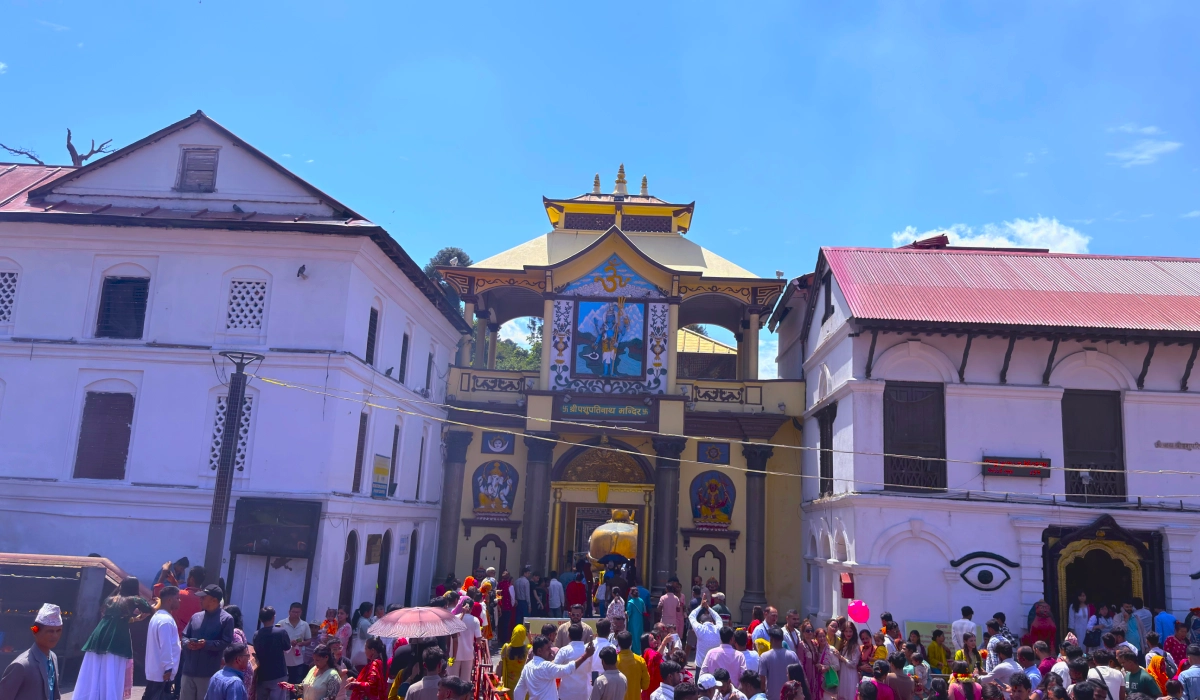
Pashupatinath Temple Darshan Booking
Prior booking is not required for general darshan at Pashupatinath Temple. All visitors can simply wait in queue. Then, they can enter the temple for darshan when their turn comes.
However, if you wish to perform special rituals such as Panchamrit Puja, Dugdharpan or any other types of Puja then you may book in advance.
Pashupatinath Temple Nepal: Best Time to Visit
Best Time of the Day
The best time to visit Pashupatinath Temple can be selected considering the type of experience you are looking for. For people seeking peace and tranquility, mornings can be considered the best option. Mornings are the best time to witness daily prayers because of fewer crowds.
Evenings are equally popular; Arti is performed near the banks of the Bagmati River. The Pashupatinath Temple Arti timings are usually in the evening. The Arti starts about half an hour before sunset, around 5:30 PM to 6:00 PM.
Best Season to Visit
You may visit Pashupatinath Temple at any time of the year. However, Spring and Autumn are the most favored seasons. These times are preferred mainly because of the pleasant weather and comfortable temperatures. However, you can visit the site any time of the year.
If you visit during summer/monsoon, make sure to be prepared for occasional rainfall. The weather can get cold in Kathmandu especially during the morning and evening during the winter season. However, it is completely manageable with warm clothes.
You may choose to visit anytime of the year that is suitable for you. Just check the temperature beforehand and be dressed accordingly.
Festival Times
Another good time for visiting the temple can be when there is a festival like Maha Shivaratri, Teej or Bala Chaturdashi. These are special times to visit to observe the rituals and traditions. But at this time the temple and surrounding areas can be quite crowded compared to other times.
Pashupatinath Temple History
Who Built Pashupatinath Temple?
“Pashupatinath” is translated as “the Lord of all living beings.” It means that Lord Shiva is a deity who protects every form of creation. The Pashupatinath temple is considered to be one of the oldest and holiest Hindu temples in Kathmandu. Several scholars suggest that the history of this ancient temple can be traced back to the pre-Vedic era.
Pashupatinath Temple’s history dates back to about 400 CE. This Hindu temple is built in pagoda style and houses the sacred Shiva Linga. It is believed that Prachanda Dev, the Licchavi king, built this temple.
Another historical record says that before the present structure, the site was just a simple Linga-shaped shrine. Later, King Supuspa Deva constructed a multi-storied temple at this location. Over the years, the temple has been renovated many times.
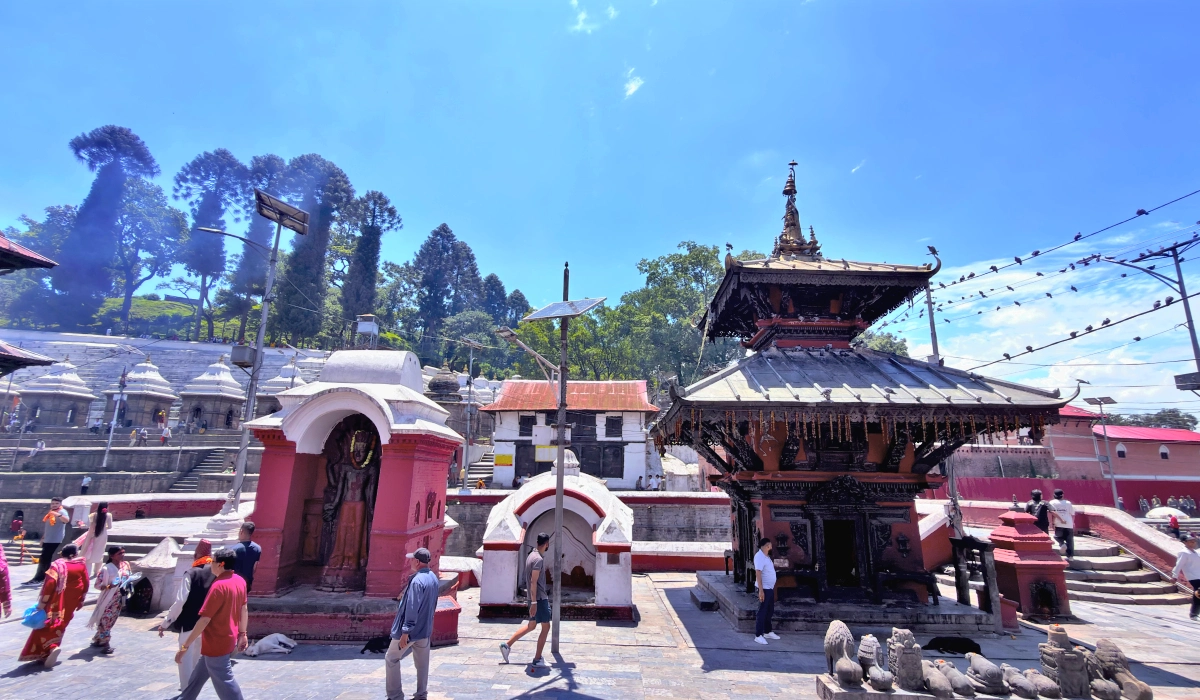
More temples were gradually built around the main structure, such as a Rama temple that dates back to the 14th century AD and the Guhyeshwari Temple, as stated in manuscripts.
Legends of Pashupatinath
The ancient scriptures in the Shiva Purana say that the divine Shiva Linga in Pashupatinath will fulfill all the wishes of the devotees visiting the temple. Pashupatinath temple’s story is described along with the glory of Kedarnath temple in Chapter 9 of Koti-Rudra Samhita.
This scripture depicts how the Pandavas went on a search for Lord Shiva. They carried out intense penance and deep devotion. So, Lord Shiva, who had been hiding inside the earth in a bull form, emerged at different locations in various forms. It is said that the head of Lord Shiva appeared at Pashupatinath.
According to one legend, Lord Shiva and his wife, Goddess Parvati, had once transformed themselves into deer. They were wandering around the forest near the eastern bank of the river Bagmati. Later on, other gods caught them and succeeded in getting hold of one of Shiva’s horns, compelling him to reveal his true divine identity.
That broken horn was considered a sacred symbol. However, it gradually got buried under the ground and was lost. After some years, when a herdsman saw his cow dripping milk at one particular place, he dug that place and discovered the sacred Shiva Linga of Pashupatinath Temple.
Rituals in Pashupatinath Temple
Nitya Puja (Daily Worship)
The daily worship starts in the early morning. Priests perform prayers, recite mantras and offer flowers and water to the Shiva Lingam.
Abhishekam at the Pashupatinath Temple
Abhishekam (A special Puja and the ritual holy bath of the Shiva Lingam) in the Pashupatinath Temple is a very important and respected Vedic ceremony dedicated to Lord Shiva. In this ritual, Lord Shiva is ceremonially bathed with Milk and Panchamrita (A sacred sweet mixture of five ingredients, Honey, Cow Milk, Sugar, Curd and Ghee).
Abhishekam is performed with the belief that it helps cleanse negative energy, ease life’s problems, and bring peace of mind. People also perform this ritual for peace, good health, and family harmony.
Evening Arti
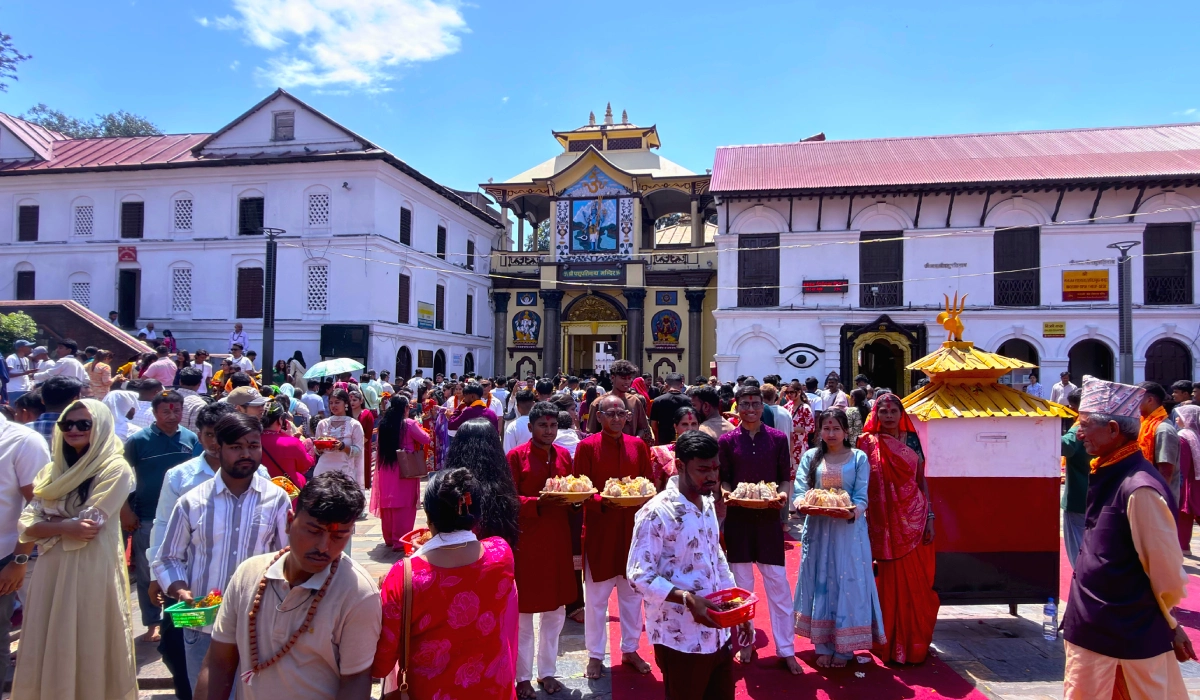
Pashupatinath Temple in Nepal is also renowned for its evening Arti at the banks of the Bagmati River. The priests come together to perform this ritual in honor of Lord Shiva. Devotees join the event to watch the ritual and become part of the divine experience.
In the Arti ceremony, oil lamps are lit and waved in certain rhythmical movements. Sounds of bells, conch shells, and devotional songs can be heard around. All these create an enchanting atmosphere that is unforgettable for those who attend.
Bagmati River Rituals
There are ritual practices at the Bagmati River, which include flower offerings and, oil lamps and purification through symbolic cleansing. The rituals of cremation also take place in accordance with Hindu traditions.
Hindus believe that performing last rites in Pashupatinath temple helps purify the soul and supports its journey toward liberation (Moksha).
Major Festivals at Pashupatinath Temple in Nepal
Many festivals are celebrated in the Pashupatinath temple throughout the year. Devotees from various parts of the country and even neighboring countries participate in the religious festivities, which include worshiping, religious rituals, and prayers accompanied by devotional songs.
Maha Shivaratri
Maha Shivaratri is the biggest and most important festival celebrated in the Pashupatinath temple. This festival, which marks the day on which Shiva is married to Parvati, takes place between February and March. This festival is also celebrated to commemorate Lord Shiva’s divine dance.
On this festival day, devotees observe fasts, make religious offerings, light oil lamps and sing songs dedicated to God. Many sadhus gather at the temple on this day, making the atmosphere colorful which can be a fascinating experience for the travelers.
Teej Festival
Teej is a major festival celebrated by Hindu women especially in Nepal. On this occasion, women dress in colorful red clothes and fast. They visit the Pashupatinath Temple to pray to Lord Shiva and seek blessings. This festival falls in either August or early September.
Married women fast and pray for the good health and longevity of their husbands, whereas unmarried women pray for a proper companion in their lives. The temple is visited by a large number of devotees during Teej as people come to the temple from all parts of Nepal to celebrate it.
The celebrations include activities like praying, taking rounds around the Shiva temple, and offering flowers and other devotional items to God.
Bala Chaturdashi
The Bala Chaturdashi festival is considered a religious occasion dedicated to the memory of their deceased loved ones. The people spend the whole night praying at Pashupatinath while lighting lamps. It is observed in Late November or early December.
In the early morning, the worshippers mark the commencement of the ceremony by taking a holy dip in the water sources like the Bagmati River. Once purified, they move along a specific path in and around the temple, gently scattering the sacred grain called ‘Satbij’ along the way. It is believed that by sprinkling the grains on the path, the departed souls can be at peace.
Why Pashupatinath Temple Holds Great Religious Importance?
The Pashupatinath Temple is one of the most sacred temples dedicated to God Shiva. Each year, many devotees visit this site to pray and ask for blessings particularly during the Maha Shivaratri which is one of the major festivals celebrated by Hindus all around the world.
The site is unique because it is a place of worship as well as a center for religious activities that have been carried out for centuries. The entire temple complex includes various shrines and statues whereas the Bagmati River Ghats serve as a site for cremation rites.
Many believe that praying to Lord Shiva brings spiritual blessings and helps them get closer to moksha (liberation) which means being free from the cycle of birth and rebirth.
The Bagmati River is also considered sacred. Many families perform cremation rites and funerals at this site. They believe performing the rites here helps guide the soul toward peace.
These long standing traditions make Pashupatinath a unique site where travelers can get insight into spirituality, heritage and culture of the Hindu people.