



24x7 Support
+977 9851349597
Unbeatable Holiday Offers - Save Up to 20% on Your Next Adventure!

Nepal Trekking
Trip Packages
16 Days
USD
1900
1900
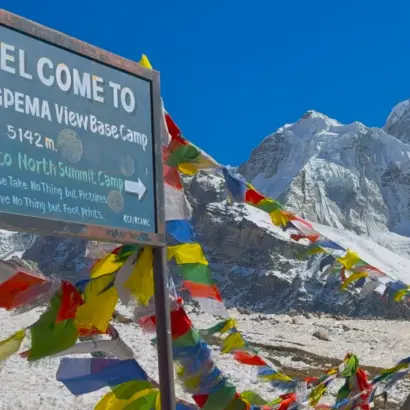
Kanchenjunga North Base Camp Trek – 16 Days
12 Days
USD
2100
2100
15 Days
USD
1450
1450
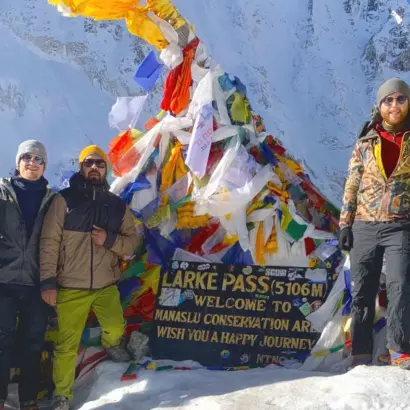
Manaslu Base Camp Larke Pass Trek – 15 Days
16 Days
USD
1890
1890
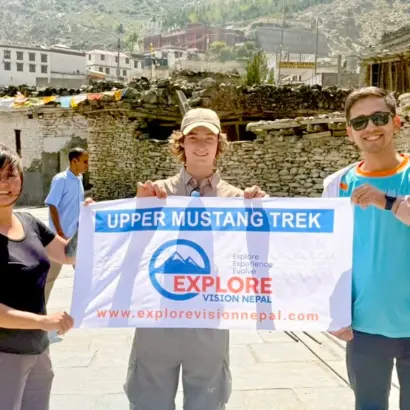
Upper Mustang Trek with Yara Ghara – 16 Days
09 Days
USD
1250
1250
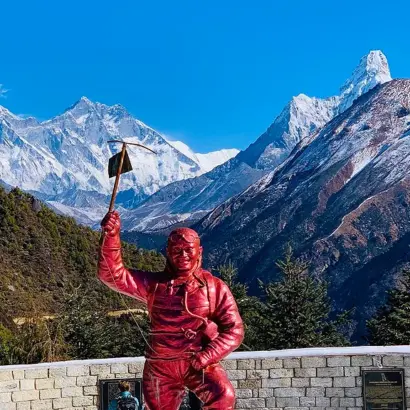
Everest View Trek – 09 Days
13 Days
USD
1390
1390
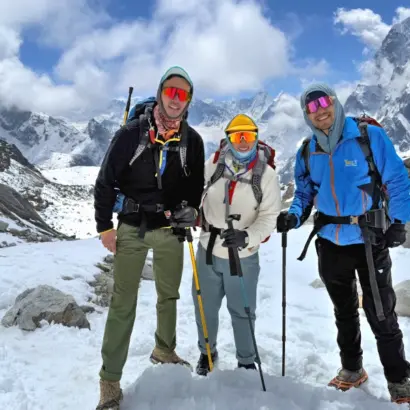
Gokyo Lake Renjo La Pass Trek – 13 Days
14 Days
USD
1180
1180
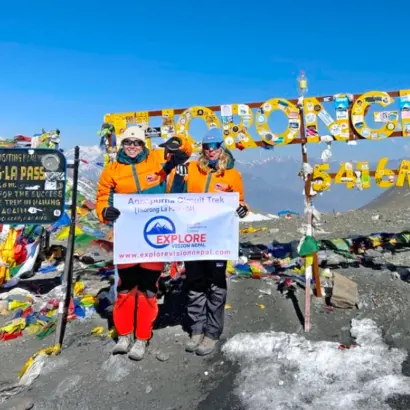
Annapurna Circuit Trek – 14 Days
12 Days
USD
4100
4100
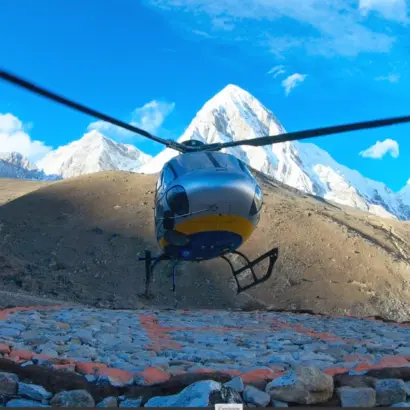
Luxury Everest Base Camp Heli Trek
11 Days
USD
2750
2750
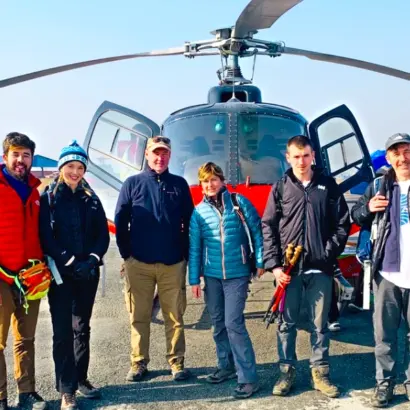
Everest Base Camp Heli Trek – 11 Days
17 Days
USD
2990
2990
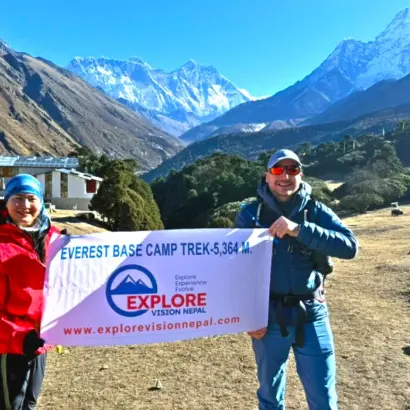
Luxury Everest Base Camp Trek -16 Days
13 Days
USD
1460
1460
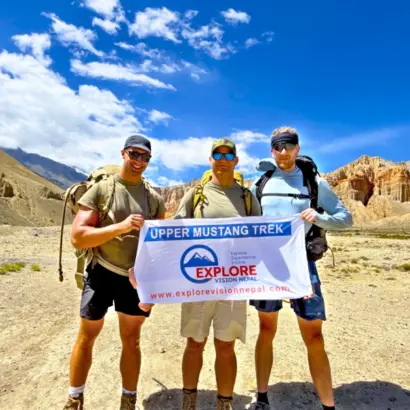
Upper Mustang Trek – 13 Days
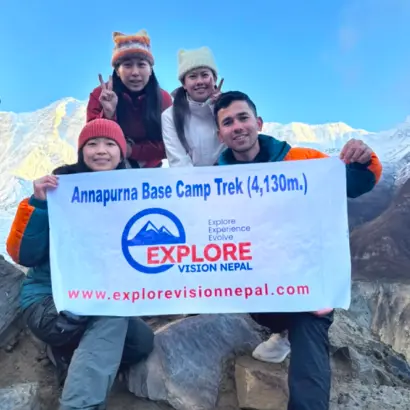
09 Days
USD
840
840
Short Annapurna Base Camp Trek – 09 Days
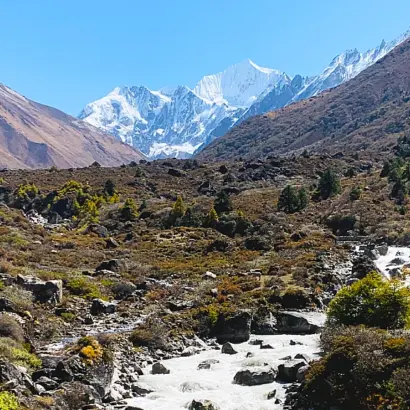
08 Days
USD
670
670
Short Langtang Valley Trek – 08 Days
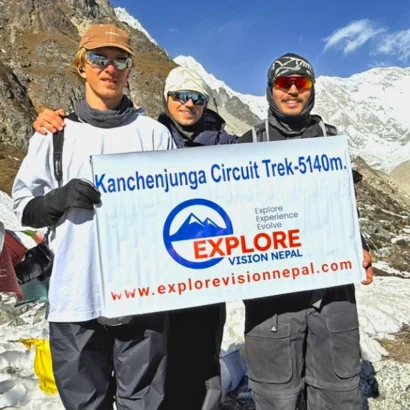
22 Days
USD
2200
2200
Kanchenjunga Circuit Trek – 22 Days
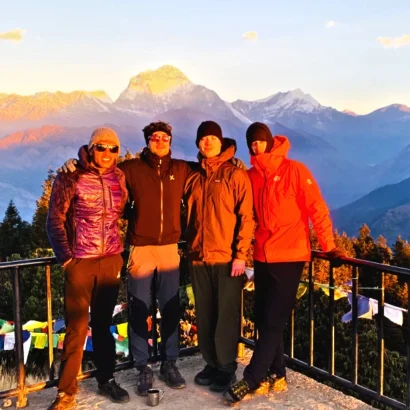
08 Days
USD
680
680
Poonhill Annapurna View Trek – 08 Days
09 Days
USD
695
695
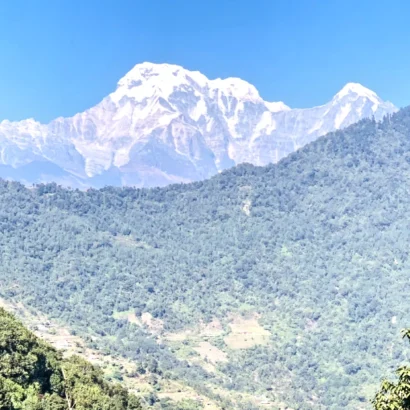
Annapurna Panorama Trek – 09 Days
9 Days
USD
795
795
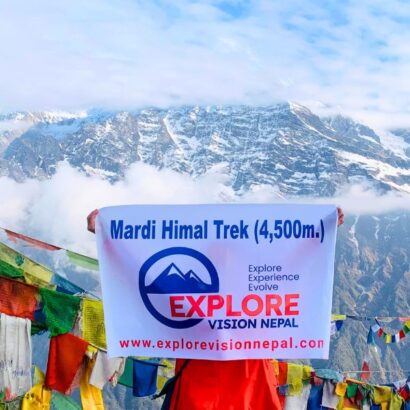
Mardi Himal Trek – 09 Days
9 Days
USD
1030
1030
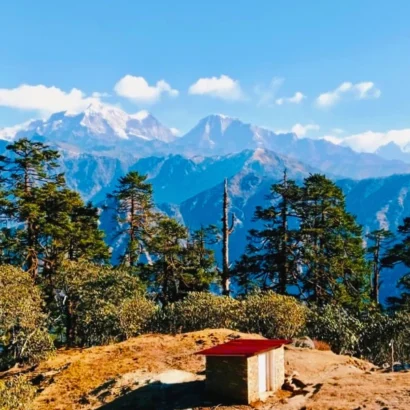
Pikey Peak Trek – 09 Days
07 Days
USD
660
660
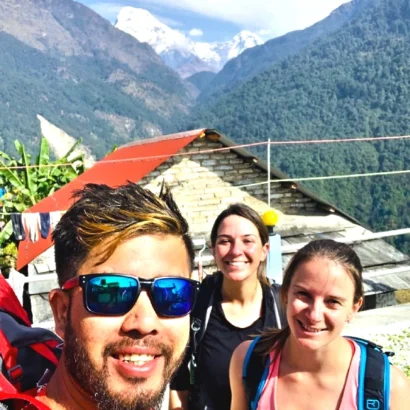
Short Poonhill Trek – 07 Days
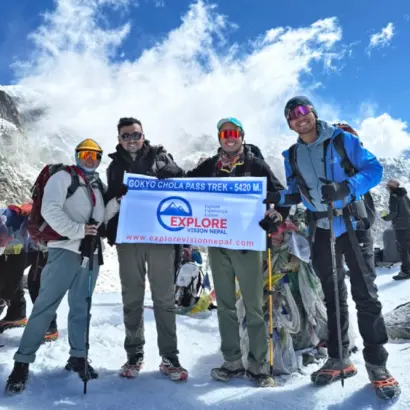
17 Days
USD
1550
1550
Gokyo Chola Pass EBC Trek – 17 Days
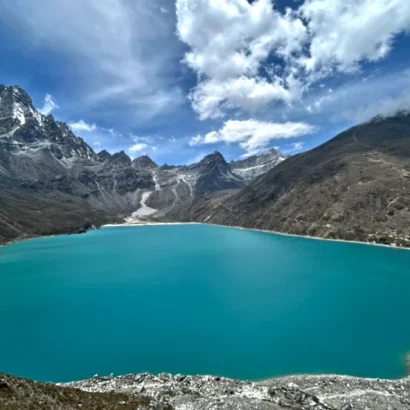
13 Days
USD
1340
1340
Gokyo Lake Trek – 13 Days
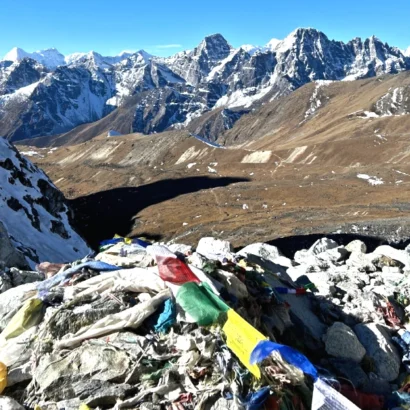
17 Days
USD
1650
1650
Everest Three Passes Trek – 17 Days
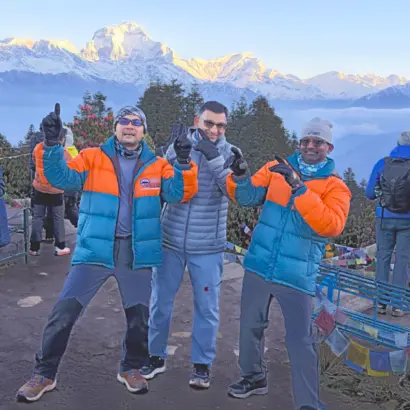
11 Days
USD
1050
1050
Khopra Danda Trek – 11 Days
12 Days
USD
995
995
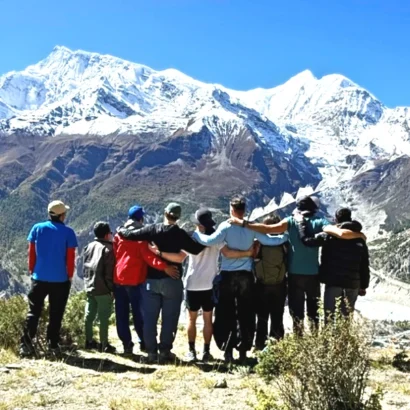
Short Annapurna Circuit Trek – 12 Days
13 Days
USD
1030
1030
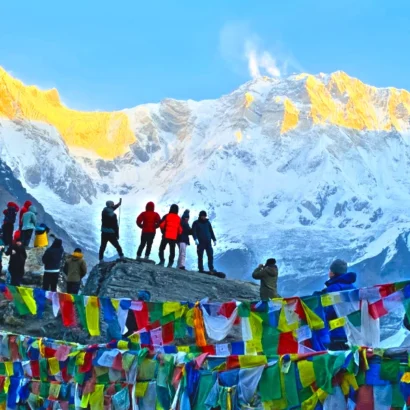
Annapurna Base Camp Trek – 13 Days
14 Days
USD
1340
1340
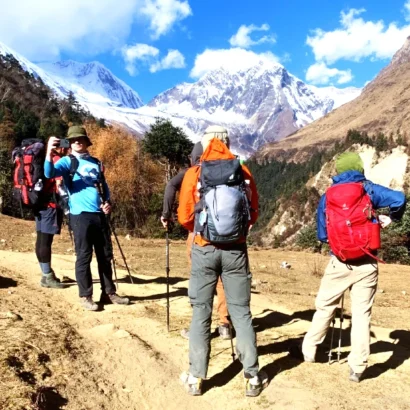
Tsum Valley Trek – 14 Days
20 Days
USD
1695
1695
14 Days
USD
1380
1380
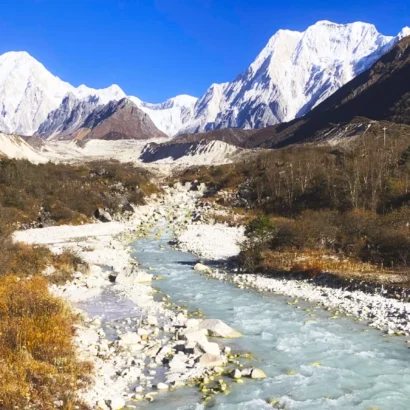
Manaslu Circuit Trek – 14 Days
10 Days
USD
695
695
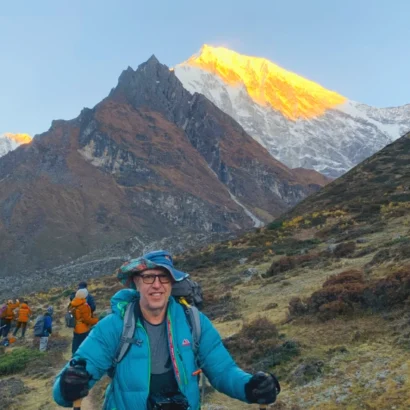
Langtang Valley Trek – 10 Days
14 Days
USD
1440
1440
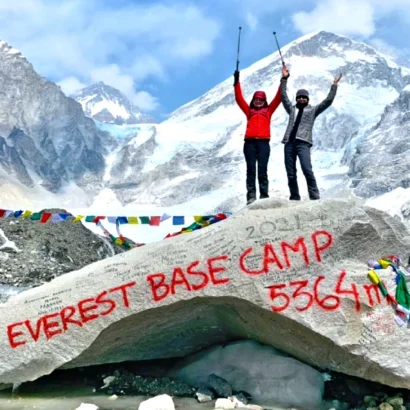
Everest Base Camp Trek – 14 Days
Short Info
Information on Nepal Trekking
Nepal is home to eight of the world’s fourteen highest mountains, which is really all you need to know about why trekkers come here. But numbers alone don’t explain what it actually feels like to walk beneath them, the smell of wood smoke from a teahouse kitchen at 4,000 meters, prayer flags snapping in wind that’s blown straight off a glacier, a yak train blocking the trail while you catch your breath anyway. That’s what Nepal trekking is really like, and no two days of it look quite the same.
From Api and Saipal in the remote far west, across Dhaulagiri, Annapurna, Manaslu, and Langtang, over to Everest, Makalu, and Kanchenjunga in the east, the country is really one long, unbroken wall of trekking possibility. Some routes are demanding, high-altitude expeditions that take about three weeks and real grit, the Everest Three Passes, Kanchenjunga Circuit, or Manaslu Circuit with Tsum Valley, for instance. Others are short, five-day village walks a reasonably fit teenager could manage, like Ghorepani Poon Hill, Annapurna View Trekking and Mardi Himal Trek But most trekkers actually land somewhere in the middle: the 14-day Everest Base Camp Trek, the 12–14 day Annapurna Base Camp or Circuit, the 9–13 day routes through Langtang, these trips long enough to properly acclimatize and see real Himalayan scenery, without demanding three weeks off work. Whichever length you are working with, almost all of them are better with someone who knows the trail.
That’s where Explore Vision Nepal (EVN) comes in. We are a locally owned, Nepal-based trekking company – not a booking platform, not a reseller. Our guides grew up in or near the regions they lead treks through, and our itineraries are built by people who have actually walked the routes dozens of times, not copied from a template. We do run private trip and keep group sizes manageable for the group joining trip, build in proper acclimatization days rather than rushing a schedule, and we are upfront about costs before you book, no any hidden cost and surprise add-ons once you are already on the trail.
Nepal’s trekking map stretches across the entire country, from Kanchenjunga in the far east to Dolpo and Api Saipal in the remote far west, with dozens of valleys and regions in between offering everything from short village walks to genuine high-altitude expeditions. At Explore Vision Nepal, we run guided departures across the country’s most iconic and best-loved trekking destinations, including the Everest region and its many route variations around Everest Base Camp and Gokyo Lake, the Annapurna region with its classic Annapurna Base Camp, Poon Hill, and Annapurna Circuit treks, the hidden kingdom exploration in the Mustang region. Likewise, the more remote, restricted-area trekking around the Kanchenjunga region and Manaslu Circuit, and Langtang, the closest Himalayan trekking region to Kathmandu.
Below is the full picture of each of these regions, along with every package we run inside it – what it involves, who it suits, and what to actually expect on the ground.
Everest Trekking Region
Ask ten trekkers why they came to Nepal and most will say some version of “Everest.” It’s the most recognized mountain on the planet, and the region built around it, officially Sagarmatha National Park, a UNESCO World Heritage Site – earns its reputation. The park is the highest national park in the world by average elevation and holds not just Everest (8,848.86m) but a cluster of other giants packed into a relatively small area.
Nearly every trek here begins at Lukla, long reachable only by a short, dramatic mountain flight from Kathmandu. As of 2025, a jeep road into the region has opened as well, so overland access is now possible for travelers who’d rather skip the flight to Luka — though the classic route still starts with that Lukla landing. From there, trails fan out through Phakding, Monjo, and Namche Bazaar, then split toward Tengboche, Pangboche, Dingboche, Lobuche, Chhukhung, Gorakshep, and Dzongla on one side, or Dole, Machhermo, Khumjung, Khunde, and Thame on the other, depending on which route you are following for your adventure.
What you actually see along the way in Everest Nepal: Everest itself, Lhotse (8,516m), Ama Dablam (6,812m), probably the most photographed peak in the Khumbu for its sharp, distinctive shape, plus Thamserku, Kongde, Cholatse, Pumori, Nuptse, Makalu, Cho Oyu, and Khumbila. The classic Everest Base Camp route runs roughly 130 Km round trip and takes 12–16 days depending on the itinerary. If you have got more time or want fewer crowds, the Gokyo Lakes route swaps the standard trail for a quieter valley with a chain of turquoise glacial lakes, and the Three High Passes Trek (Renjo La, Cho La, Kongma La Pass) links both areas into one demanding high-altitude loop for trekkers who want to do challenging adventure in the high Himalayas.
On difficulty and altitude in Everest region Nepal: This is not a walk in the park, though it also is not technical climbing, likewise, no ropes or crampons on the standard route. What it demands is stamina and patience with your own body. Daily stages run 5–8 hours over rocky trail and stone steps, and once you are above 4,000m, altitude becomes the real variable, not fitness. Namche sits at 3,440m; Everest Base Camp itself is 5,364m; Kala Patthar, the classic sunrise viewpoint, tops out at 5,545m. We build rest days into Namche, Dingboche, and Gokyo specifically to let your body catch up, skipping these to save a day is the single most common reason trekkers get turned back partway through in some cases.
Right time to Explore Everest region: Autumn (September–November) gives you the sharpest mountain views of the year and the most settled weather, it is also the busiest season on the trail. Spring (March–May) runs a close second, with rhododendron forests in full bloom along the lower stages. Winter treks happen, but you are dealing with real cold and possible snow closures at altitude. Monsoon (June–August) is the one season we would actively steer you away from leech-heavy trails, low visibility, and a higher chance of Lukla flight delays.
Landscape and Wildlife in the region: The trail moves from subtropical forest near Lukla up through pine and rhododendron, into alpine scrub, and finally bare rock and glacier near base camp. The Khumbu Glacier and Ngozumpa Glacier (the longest in Nepal, near Gokyo) are both worth the detour if your itinerary allows. Sagarmatha National Park is also genuine wildlife habitat – Himalayan Thar and musk deer are regularly spotted, snow leopards far more rarely, and the birdlife is excellent, even better for anyone who packs binoculars.
The Sherpa villages you will pass through: This is Sherpa homeland, and it shows in everything from the mani walls and prayer wheels lining the trail to the bakeries in Namche that somehow produce fresh apple pie at 3,440m. Tengboche Monastery is worth timing your day around if you can catch the afternoon puja. We route our groups through teahouses that are genuinely Sherpa-owned wherever possible, it is a better experience for you and it keeps trekking income inside the community rather than flowing out to outside investors, which has become more common as the trail has grown busier.
Permits, safety, and the practical stuff in Everest region: You will need two permits for this region: the Sagarmatha National Park Entry Permit and the Khumbu Pasang Lhamu Rural Municipality Permit, each around NPR 3,000 for foreign nationals, we handle both as part of your package. Every EVN group carries a first-aid kit and a pulse oximeter, and our guides check your oxygen saturation daily above 3,500m, not just when someone reports feeling off. We also arrange helicopter evacuation insurance coordination if it’s ever needed — make sure your own travel insurance explicitly covers high-altitude rescue before you fly out, as many standard policies cap out below Everest Base Camp’s elevation.
Cost and comfort during Trekking in Everest Nepal: Teahouses along the main trail now mostly have Wi-Fi and hot showers, though both usually cost extra the higher you climb, and charging your phone might run you a few hundred rupees per hour past Dingboche. Budget roughly USD 30–50 per day for food and lodging beyond your package cost if you are adding extra nights or extras like bakery treats, charging your devices and hot showers, it adds up faster than people expect.
Whatever route you choose, this is still the trek that put Nepal on the map, and for good reason.
Everest Region Nepal Trekking Packages
14 Days Everest Base Camp Trek
This is the one most people mean when they say “EBC.” The route follows the Dudh Koshi and Imja Khola valleys from Lukla through Phakding, Namche Bazaar, Tengboche, Pangboche, Dingboche, Thukla, Lobuche, and Gorakshep, arriving at Everest Base Camp (5,364m) beside the Khumbu Icefall. Most itineraries then send you up Kala Patthar the following morning for the best all-round mountain panorama on the whole trek – Everest, Nuptse, and Pumori all visible at once, with the Khumbu Glacier spread out below. The descent runs back through the Pheriche Valley, giving you a different set of views than you had on the way up. Fourteen days is enough time to acclimatize properly without the trip dragging, our most commonly booked Everest package for exactly that reason.
Luxury Everest Base Camp Trek — 14 to 16 Days
Same trail, considerably better beds. This version swaps standard teahouses for the best available lodges along the route — Mountain Lodges of Nepal (Yeti Mountain Home) properties, Rivendell Lodge, and similar upgraded stays in villages like Deboche, paired with a 5-star Kathmandu hotel before and after. You are still trekking the same distances and gaining the same altitude, so this is not an easier trek, just a considerably more comfortable one at the end of each day. Worth considering if you want the full Everest experience but aren’t interested in bucket showers and shared dorm rooms after 7 hours on the trail. However, the room with modern attached bathroom is not possible and available above Dingboche village, still best available upgraded guesthouse will accommodated.
Gokyo Lake Trek — 13 to 14 Days
If Base Camp itself doesn’t interest you as much as the scenery does, Gokyo is arguably the better trek. It skips the crowded EBC trail entirely in favor of the Gokyo Valley, where a chain of glacial lakes sits in some of the most striking alpine scenery in the Khumbu. From Lukla, the route runs through Phakding, Namche, Dole, and Machhermo to Gokyo Village, with the pre-dawn climb up Gokyo Ri (5,357m) as the trip’s centerpiece – on a clear morning you can see Everest, Lhotse, Cho Oyu, and Makalu without the crowds you would find at Kala Patthar. The Ngozumpa Glacier runs right alongside the lakes, adding a genuinely different landscape to the standard Khumbu itinerary.
Gokyo Cho La Pass Everest Base Camp Trek — 17 to 18 Days
This one combines both worlds, the Gokyo Lakes and Everest Base Camp, by linking them via the Cho La Pass (5,420m), a genuinely demanding but non-technical crossing over glacier and loose rock. You get the lakes, the Gokyo Ri sunrise, the pass itself, and then Base Camp and Kala Patthar on the far side, all in one loop. It’s a longer, slightly harder trek than either route on its own, and it suits trekkers who have done at least one previous high-altitude trip or genuinely fit and want more variety than the standard EBC trail offers.
Everest Three Passes Trek — 17 to 20 Days
The serious option for the Khumbu. Renjo La (5,360m), Cho La (5,420m), and Kongma La (5,535m) — three of the highest trekking passes in the region, strung together into one long, physically demanding circuit that touches nearly everything worth seeing in the Everest region: Gokyo, Base Camp, Kala Patthar, and the quieter Imja Valley on the far side of Kongma La. This is not a first Himalayan trek. It requires solid fitness, real cold-weather gear, and comfort with long, hard days at altitude – but it is also the most complete way to experience the Khumbu if you have the time and conditioning for it.
Everest Base Camp with Island Peak Summit — 15 to 17 Days
For trekkers who want to go one step further than walking. This package follows the standard EBC route to Base Camp and Kala Patthar, then continues to Island Peak (Imja Tse, 6,189m), one of Nepal’s most climbed trekking peaks, technical enough to require basic mountaineering skills (which our climbing guides teach on-site) but achievable without prior climbing experience given proper preparation. The summit push involves fixed ropes and a pre-dawn start, and the view from the top – Lhotse, Makalu, Ama Dablam, and Baruntse all at once, is a genuinely different reward than reaching Base Camp alone.
Everest View Trek — 8 to 9 Days
Not everyone has two to three weeks, and not everyone wants to sleep above 4,000m to see Everest. This shorter route gets you to Namche Bazaar and the monastery village of Tengboche, with a stop at the Everest View Hotel for one of the best low-effort mountain panoramas in the region, Everest, Ama Dablam, Lhotse, Thamserku, and Kongde, all visible without pushing past 3,900m. It is the trek we recommend most often to families, first-time trekkers, or anyone who wants a genuine taste of the Khumbu without the full commitment of Base Camp and trekking above 4,000 meters.
Pikey Peak Trek — 8 to 10 Days
The trek Everest connoisseurs quietly recommend to each other. Sir Edmund Hillary reportedly called the sunrise from Pikey Peak (4,065m) one of his favorite Himalayan views, and unlike everywhere else on this list, you do not need to fly into Lukla or enter the busy Khumbu at all. The whole route is accessible by road, running through rhododendron forest and traditional Sherpa villages well off the main trekking circuit. From the summit at dawn: Everest, Kanchenjunga, Makalu, Lhotse, Numbur, and Gaurishankar in one sweep, usually with very less trekkers around.
Everest Base Camp Heli Back Trek — 11 to 12 Days
Trek in, fly out. You still walk the full classic route to Everest Base Camp and Kala Patthar, there’s no shortcut to the mountain itself — but instead of retracing your steps on foot for several more days, a helicopter picks you up and flies you back to Lukla or straight to Kathmandu, weather permitting. It cuts several trekking days off the standard itinerary and throws in a genuinely spectacular aerial view of the Khumbu as a bonus. Good option if your schedule is tighter than your trekking ambition.
Annapurna Trekking Region
The Annapurna trekking region sits in west-central Nepal, wrapped around the Annapurna massif, and it is home to some of the most varied trekking country anywhere in the Himalaya. Within a single trek here, the trail can carry you from warm, subtropical river valleys up through rhododendron forest, terraced farmland, and alpine pasture, before opening into stark, high-altitude desert on the trail’s northern side. Few trekking regions in the world pack this much change in climate, landscape, and culture into routes that most people can complete in two weeks or less.
Most journey into this region begins in Pokhara, Nepal’s lakeside gateway city and, for most visitors, the real start of the adventure. Set beside the calm waters of Phewa Lake, with the Annapurna range and the sacred peak of Machhapuchhre (Fishtail) often reflected on the surface on a clear morning, Pokhara is a genuinely beautiful place in its own right, worth a day or two before or after your trek, whether that means a quiet walk around the lake, a paragliding flight over the valley, or simply resting up before heading into the hills.
From Pokhara, trekking routes fan out across the Annapurna Conservation Area, Nepal’s first and largest protected area, established to safeguard both the region’s natural environment and the traditional lifestyles of the people living within it. The Gurung and Magar communities dominate the lower and middle hills, where villages like Ghandruk and Landruk still hold onto customs, dress, and daily rhythms shaped by generations of farming and, more recently, mountaineering and trekking work. Walk further north, past villages like Chame and Manang, and the culture shifts again,Thakali, Manangi, and Loba communities take over, and the architecture, language, and religion turn distinctly Tibetan Buddhist, with monasteries, mani walls, and prayer wheels marking the trail. It is genuinely rare to see this much cultural range packed into one trekking region, and it’s a large part of why the Annapurna region draws more trekkers each year than anywhere else in Nepal.
The mountains themselves have their own history in region of Annapurna. Annapurna I, at 8,091 meters, was the first peak above 8,000 meters ever successfully climbed, back in 1950 – a fact that still draws mountaineers to the region today, alongside more accessible expedition peaks like Tent Peak and Singu Chuli for those looking for a technical challenge beyond standard trekking. For most visitors, though, the appeal is simpler, close-up views of Annapurna I, Dhaulagiri, and Machhapuchhre from the trail itself, the turquoise high-altitude waters of Tilicho Lake – one of the highest lakes in the world and the everyday pleasures of the trek, like soaking in the natural hot springs at Jhinu Danda after a long day’s walk, or sitting down to a plate of Thakali Dal Bhat in a warm teahouse kitchen as the temperature drops outside.
Whether you’re drawn here for the mountain views, the cultural depth, or simply the sense of walking through a landscape that changes completely every few days, the Annapurna region rarely disappoints, which is exactly why it remains, year after year, one of the most trekked corners of the Himalaya.
Annapurna Region Nepal Trekking Packages
Annapurna Base Camp Trek – 9-14 Days
The signature trek of the region, and deservedly so. Over 9 to 14 days, the trail climbs steadily through Gurung and Magar villages and dense rhododendron forest before opening into the Annapurna Sanctuary, a natural amphitheater at 4,130m ringed by Annapurna I (the world’s 10th highest mountain), Machhapuchhre, Hiunchuli, and Annapurna South. Most itineraries route past Poon Hill for a sunrise viewpoint en route, though a few skip it in favor of a more direct approach — worth asking about when you book if that view matters to you. Unlike Everest Base Camp, there is no flight involved, which makes ABC a genuinely good option for trekkers who want serious mountain scenery without the Khumbu’s logistics.
Ghorepani Poon Hill Trek – 5-9 Days
Nepal’s most popular short trek, and one of the best-value few days you can spend in the Himalaya. Over just 5 to 9 days, the route climbs through stone-step villages and rhododendron forest to Ghorepani, where a pre-dawn walk up to the 3,210m viewpoint delivers one of the country’s best panoramic sunrises, Dhaulagiri, Annapurna South, and Machhapuchhre all lit up at once. It is genuinely achievable for reasonably fit beginners and works well as either a standalone trip or a warm-up before a longer trek later in your travels.
Annapurna Circuit Trek – 12-15 Days
Annapurna Circuit is the classic loop, and still one of the great multi-week treks anywhere in the world, though the road-building of the past decade has shortened the trekking-only sections in places. Across 12 to 15 days, the route circles the entire Annapurna massif, climbing from subtropical lowlands through pine forest and alpine terrain into high, Tibet-like desert around Manang, before crossing Thorong La at 5,416m — one of the highest trekking passes on earth, down into Muktinath, a pilgrimage site sacred to both Hindus and Buddhists. Few treks anywhere pack in this much climate, culture, and landscape change over a single route.
Annapurna View Trek – 6-9 Days
A gentler alternative for travelers who want real Annapurna views without the altitude commitment of ABC or the Annapurna Circuit. Over 6 to 9 easy days, the trail stays in the lower and middle hills, running from Ghorepani Poon Hill (3,210m) down to Australian Camp (2,060m), through forest and village terrain that suits first-timers, older trekkers, or anyone traveling with less time to spare, proof that a short trek in Nepal does not have to mean a lesser one.
Mardi Himal Trek – 6-10 Days
A newer addition to the Annapurna trekking map and one that’s grown popular fast, mostly because it delivers Machhapuchhre (Fishtail) views at a proximity most other routes can’t match. Over 6 to 10 moderate days, the trail follows a narrow forested ridge — quieter than the main ABC or Poon Hill routes, climbing steadily to Mardi Himal Base Camp at 4,500m for close, dramatic views of Fishtail and the southern Annapurna wall. Good pick if you want Annapurna-grade scenery without Annapurna-grade crowds.
Short Annapurna Base Camp Trek – 9-11 Days
A tightened version of the classic ABC route for trekkers working with a shorter window. The itinerary moves faster through Jhinu Danda, Chhomrong, Sinuwa, Bamboo, Dovan, Deurali, and Machhapuchhre Base Camp before reaching ABC itself, same destination, same amphitheater of peaks, condensed into fewer days and without the famous Poon Hill detour on the itinerary. A faster pace means less built-in acclimatization buffer, so this suits trekkers who are already reasonably fit rather than complete beginners, though altitude itself is less of a concern here than on other high routes, since Annapurna Base Camp sits at a comparatively manageable 4,130 meters.
Khopra Danda Trek – 10-13 Days
Also called the Khopra Ridge Trek, and one of the better-kept secrets in the Annapurna region. Over 10 to 13 moderate days, the route runs along a high ridge line well away from the main ABC trail, passing several under-visited viewpoints with wide-open views of Annapurna South, Hiunchuli, Machhapuchhre, Dhaulagiri, Nilgiri, Annapurna III, and Mardi Himal. If you’ve done a busier Nepal trek before and want something with far fewer people on the trail, this is where we would point you.
Manaslu Trekking Region
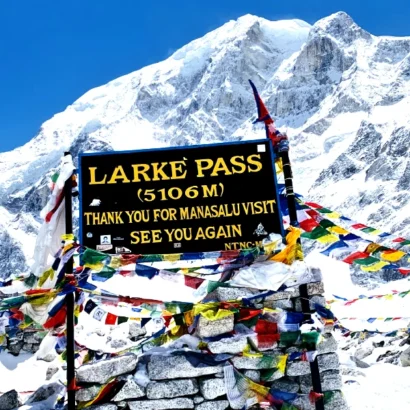
Manaslu region does not get the visitor numbers Everest and Annapurna do, and that’s precisely its appeal. The region sits north of Gorkha district in north-central Nepal, circling the eighth-highest mountain on earth Mount Manaslu, and because it is a restricted trekking area requiring a special permit and a licensed guide by law, it is stayed noticeably quieter and less commercialized than Nepal’s two big-name treks. The trail crosses Larke La (5,106m), one of the highest trekking passes in the country, and the side trip into Tsum Valley leads into some of the most traditionally preserved Tibetan Buddhist culture anywhere in Nepal, villages where daily life has changed remarkably little in generations
Manaslu Region Trekking Packages
Manaslu Circuit Trek – 12-16 Days
Manaslu Circuit Trek is the main event in this region, a full loop around the Manaslu massif through gorges, terraced farmland, and increasingly stark alpine terrain as you approach Larke La Pass at 5,106 meters. It is a moderate-to-challenging trek that typically runs 12 to 16 days, and because it is a restricted area, you will trek with a licensed guide and, for part of the route, alongside checkpoints that keep numbers modest compared to Everest or Annapurna. Expect fewer teahouses, more basic facilities in places, and in exchange, a trail that still feels genuinely remote.
Tsum Valley Trek – 12-15 Days
A trek built as much around culture as scenery. Over a moderate 12 to 15 days, the route leads into a valley that was historically an isolated Buddhist enclave, and its monasteries, mani walls, and village life reflect that isolation in the best way, this is one of the few places in Nepal where you can still see pre-modern Tibetan Buddhist tradition largely intact. Good option for trekkers who want the Manaslu region’s remoteness without necessarily crossing Larke La.
Manaslu Circuit with Tsum Valley Trek – 17-20 Days
The full regional experience – Nubri and Tsum, the two main valleys of the Manaslu area, combined into one extended, moderate-to-challenging trip lasting 17 to 20 days. It is a serious time commitment, but it is also about as complete a remote-Nepal trekking experience as exists, covering the cultural depth of Tsum and the high-altitude challenge of the full Manaslu Circuit in a single itinerary.
Manaslu Base Camp Trek – 12-14 Days
For trekkers who want to stand at the foot of Manaslu itself without necessarily crossing the full circuit. This moderate 12 to 14 day route runs through Machha Khola, Jagat, Philim, Deng, Namrung, Lho Gaun, and Samagaun, genuinely traditional villages along the way – building toward the base camp at 4,800m, with Manaslu’s summit ridge filling the sky above.
Langtang Trekking Region
Langtang is the trek we recommend most often to people who ask, “what’s the best Nepal trekking package if I have only got a week?” It sits inside Langtang National Park, Nepal’s oldest, established in 1976, about 130km north of Kathmandu, and it is a major trekking region reachable entirely by road, via a 6–8 hour drive to the trailhead at Syabrubesi (1,460–1,550m). No flight, no weather-dependent Lukla delays, no complicated logistics.
Locally, it’s known as the “Valley of Glaciers,” and the name fits, the park holds more than 70 glaciers, along with waterfalls, yak pastures, and Langtang Lirung (7,227m) dominating the skyline for most of the trek. The full route covers roughly 70–80km round trip and typically runs 7–10 days including travel to and from Kathmandu, with daily stages of 5–7 hours on trail that is well-marked and, compared to Everest or Annapurna, considerably less crowded. Maximum altitude on the main route is Kyanjin Gompa (3,870m), with optional side hikes up Kyanjin Ri (4,300–4,770m) or the more demanding Tserko Ri (roughly 5,000m) for trekkers who want a proper high-altitude finish.
Spring and autumn remain the best windows here for the same reasons as everywhere else in Nepal, clear skies in autumn, blooming rhododendron in spring, while monsoon season brings landslide risk on some sections and is worth avoiding. The terrain itself moves quickly from subtropical lowland forest to pine, then alpine meadow and glacier, and the park is genuinely good wildlife habitat: red pandas and Himalayan black bears both live here, alongside musk deer and strong birdlife, though sightings of the rarer species are far from guaranteed.
Culturally, you will see Tibetan Buddhist influence throughout, mani walls, chortens, and prayer flags mark the trail from Lama Hotel onward. Langtang Village itself was devastated by an earthquake-triggered avalanche in 2015 and has been rebuilt by the community since; trekking through it today, with the support that brings to local families, is part of what makes this route worth choosing over a purely scenic alternative. Kyanjin Gompa, the trek’s high point and largest settlement, centers on a monastery that’s worth setting aside proper time for rather than rushing past.
Langtang Region Nepal Trekking Packages
Langtang Valley Trek – 9-11 Days
The standard route, starting and ending at Syabrubesi and running the length of the Langtang valley over an easy-to-moderate 9 to 11 days. It is the trek we point beginners toward most often in this region, manageable daily distances, well-established teahouses, and reliably good mountain views of Langtang Lirung, Langtang, Shishapangma, and Yala Peak throughout. Red panda and musk deer sightings happen here more often than in most other parts of Nepal, though there is no guarantee on any given trip.
Langtang Yala Peak Summit – 12-14 Days
For trekkers who want an actual summit at the end of the valley trek. Yala Peak is one of the more approachable climbing peaks in Nepal, and this moderate-to-challenging 12 to 14 day itinerary combines the standard Langtang route with a guided summit attempt, rewarding you with views of Langtang Lirung (7,234m), Dorje Lakpa (6,966m), Ganchenpo (6,387m), and Langshisa Ri (6,427m) from the top. Basic fitness and a willingness to have an early, cold start are the main requirements, no prior climbing experience needed given our guides handle the technical sections.
Short Langtang Valley Trek – 7-8 Days
The condensed version, ideal if you are short on time but still want a genuine Himalayan trek rather than a day hike. Over an easy-to-moderate 7 to 9 days, it covers the same core villages, Langtang Village and Kyanjin Gompa – in a tighter window, giving you the valley’s best scenery and cultural stops without the full 9 to 11 day commitment.
Langtang Gosainkunda Trek – 13-16 Days
This one adds the sacred lakes of Gosainkunda to the standard Langtang route over a demanding 13 to 16 days, a genuinely different landscape from the glacier-and-forest scenery earlier in the trek. Local belief holds that 108 holy lakes sit scattered through the surrounding hills, with Gosainkunda itself the largest and most visited. From Kyanjin and Tserko Ri, the route loops via Sing Gompa or Chandanbari to the lake, then continues over the Gosainkunda (Lauribina) Pass at 4,610m – a genuinely demanding stretch that rewards trekkers willing to put in the extra days.
Gosainkunda Trek – 5-7 Days
The shortest route in the region, a direct, no-frills trek to Gosainkunda from Dhunche Bazaar, skipping the Langtang valley itself entirely. It is popular with pilgrims as much as trekkers, Janai Purnima, a major Hindu and Buddhist festival, draws large numbers of devotees to the lake each year in late July or August, and the trail can get genuinely busy around that date. Outside festival season, it’s a quiet, scenic, and comparatively easy way to reach one of Nepal’s most sacred natural sites.
Kanchenjunga Trekking Region
Mount Kanchenjunga rises in the far eastern corner of Nepal, on the border with Sikkim, and at 8,586 meters it holds the title of the third highest mountain on earth. Unlike Everest or Annapurna, this is a region that hasn’t yet found its way onto most trekkers’ radar, and that’s really the appeal, Kanchenjunga sits well off the beaten path, inside a restricted area that requires a special permit and a licensed guide, which naturally keeps numbers low and the trails genuinely quiet. The trek is a little more physically demanding than some of Nepal’s classic routes, with longer days and higher passes, but it’s entirely achievable as a first Himalayan trek for anyone reasonably fit and properly prepared.
Trekkers in the Kanchenjunga region move through remote valleys and forested ridgelines shared by Rai, Limbu, and Sherpa communities, whose traditions and way of life have changed remarkably little over generations, offering a far deeper sense of untouched Nepal than the country’s more famous trekking routes.
There are three main trekking routes on the Nepal side of Kanchenjunga, and each approaches the mountain differently. The Kanchenjunga Circuit Trek is the most complete of the three, linking both the north and south base camps into one long journey. The Kanchenjunga North Base Camp Trek focuses purely on the northern approach to Pangpema, while the Kanchenjunga South Base Camp Trek takes the shorter, slightly gentler route toward Yalung Glacier and the Oktang viewpoint. All three begin the same way – a flight from Kathmandu to Bhadrapur, followed by a scenic drive up to Taplejung, the region’s main gateway town, before splitting onto their respective trails.
Most Popular Trekking Packages in Kanchenjunga Trekking Region
Kanchenjunga Circuit Trek – 18-22 Days
Kanchenjunga Circuit Trek is one of the most rewarding off-the-beaten-path treks in Nepal, and one of the most demanding. Over 18 to 22 days, the route runs from Taplejung through Sekathum and on to the villages of Amjilosa, Gyabla, Ghunsa, Kambachen, and Lhonak, gradually climbing toward both faces of the mountain, the North Base Camp at Pangpema, around 5,143 meters, and the South Base Camp near Oktang, around 4,730 meters, connected by a chain of high passes including Sele La and Mirgin La. Along the way, the landscape shifts from dense forest and river valleys to stark, glacier-fed alpine terrain, with genuinely isolated villages and some of the most peaceful trekking trails left in Nepal. It is a physically demanding route best suited to trekkers with prior high-altitude experience, but for anyone chasing the raw, undeveloped side of the Himalaya, it is hard to beat.
Kanchenjunga North Base Camp Trek – 14-17 Days
This route takes the northern half of the circuit on its own, following the same trail through Amjilosa, Gyabla, Ghunsa, Kambachen, and Lhonak before reaching Pangpema, the Kanchenjunga North Base Camp, at roughly 5,143 meters. It typically takes 14 to 17 days and runs entirely within the Kanchenjunga Conservation Area, one of the least visited protected regions in the country. Trekkers spend their final night before base camp at Lhonak, since Pangpema itself has no permanent teahouse, then make the return trip the same way. The reward is a close, dramatic view of Kanchenjunga’s north face along with neighboring peaks like Tent Peak, in a setting that feels genuinely remote in a way few other Nepal treks still do.
Kanchenjunga South Base Camp Trek – 11-14 Days
The gentler of the two base camp routes, and a good starting point for trekkers curious about the Kanchenjunga region without committing to the full circuit. Over 11 to 14 days, the trail follows Taplejung through Yamphuding, New Jhoroni, and Cheram before reaching the Kanchenjunga South Base Camp near Ramche, with views of the mighty Yalung Glacier and the mountain’s dramatic southern face along the way. Compared to the circuit or the north route, this trek involves less extreme altitude and a shorter overall commitment, making it a solid choice for trekkers who want a genuine taste of this remote Himalayan region without the longer, harder itinerary the full circuit demands.
Upper Mustang Region
Upper Mustang is often described as Nepal’s hidden Himalayan kingdom, and once you’ve seen it, the description makes sense. Tucked in the rain shadow of Annapurna and Dhaulagiri, this high desert region looks almost nothing like the rest of trekking Nepal — wind-carved canyons, red and ochre cliffs, and a landscape closer to the Tibetan plateau than to the forested trails further south. Because the surrounding mountains block most of the monsoon clouds, Upper Mustang stays walkable even during Nepal’s rainy season, making it one of the few regions in the country worth considering for a summer trek.
Upper Mustang region was closed to outside visitors until 1992, and that history shows in how well preserved everything here still is. Traditional Tibetan Buddhist culture runs through daily life in Upper Mustang, from mani walls and painted chortens along the trail to centuries-old monasteries and the ancient sky caves carved into the region’s cliffs, some of which held human remains and religious artifacts dating back over a thousand years. At the heart of it all sits Lo Manthang, the walled former capital of the Mustang kingdom, where narrow alleyways, a royal palace, and several major monasteries still stand largely as they have for generations. These days, a motorable road connects much of the region, so Upper Mustang can be explored either on foot or by jeep, depending on how much time you have and how deep into the trekking experience you want to go.
Most Popular Trekking and Tour Packages in Upper Mustang
Upper Mustang Trek – 12-15 Days
The classic route into Nepal’s hidden kingdom, typically completed in 12 to 15 days depending on the itinerary. Most trekkers fly from Pokhara to Jomsom to begin, though driving all the way to the trailhead at Jomsom or Kagbeni is also an option for those who prefer to skip the flight. From there, the trail winds north through a landscape unlike anywhere else in Nepal, past desert cliffs, remote villages, and ancient gompas, eventually reaching Lo Manthang itself. Because Upper Mustang is a restricted region, trekkers need a special permit and must travel with a licensed guide — a requirement that, in practice, helps keep the region as untouched and well-preserved as it’s remained for decades.
Upper Mustang Tiji Festival Trek – 14-16 Dys
This version of the Upper Mustang Trek is planned specifically around Lo Manthang’s Tiji Festival, a three-day Tibetan Buddhist ritual usually held in mid-May, though the exact dates shift slightly from year to year. The festival centers on a series of sacred masked dances performed by monks, retelling the legend of a deity defeating a demon threatening the kingdom of Mustang – a genuinely rare cultural event most travelers never get the chance to witness firsthand. The trek itself takes around 15 days and follows the same general route as the standard Upper Mustang Trek, timed so trekkers arrive in Lo Manthang in time for the full three days of festivities before continuing the journey.
Upper Mustang Poon Hill Trek – 14-17 Days
A longer and more varied itinerary that combines two of Nepal’s most distinctive trekking landscapes into one trip. The route begins like a standard Mustang trek, starting from Kagbeni or Muktinath and heading north into the hidden region and on to Lo Manthang, before turning south again — driving from Lo Manthang down to Tatopani and picking the trail back up toward Ghorepani and the famous Poon Hill viewpoint, before finishing back in Pokhara. In all, this journey takes about 14 to 17 days and reaches a maximum elevation of around 4,200 meters, giving trekkers both the stark desert scenery of Mustang and the classic Annapurna region views from Poon Hill in a single, well-rounded trip.
Upper Mustang Trek with Yara – 16-18 Days
The longest and most immersive of the Mustang itineraries, built for trekkers who want to go beyond Lo Manthang rather than treat it as the final destination. The route follows the regular Mustang trail north through the region’s traditional villages to Lo Manthang, then continues into the remote trail toward Yara, passing historic monasteries and cave complexes that see very few outside visitors, before looping back through Muktinath and driving out to Pokhara. Spanning roughly 16 to 18 days, this is the trek for travelers who’ve already read about Upper Mustang and want to see the parts of it that don’t make it into the standard itinerary.
Planning Your Trek in Nepal: A Few Practical Notes
Fitness and preparation: Most treks in Nepal do not require any technical climbing skills, the exceptions are peak-climbing add-ons like Island Peak, Lobuche Peak, Mera Peak or Yala Peak etc, where our guides provide full training on-site. That said, regular walking, some cardio, and general leg strength in the weeks before you travel make every trekking day easier, especially on routes with repeated steep ascents and descents.
What to pack: Layering matters more than any single piece of gear. Mornings can sit well below freezing while afternoons feel warm even at altitude, so your kit needs to handle both. Skip cotton base layers, which hold moisture and leave you cold as soon as you stop moving, merino wool or synthetic fabrics work far better. Once you book with us, we send a complete packing list suited to your specific trek and season, and duffel bags for porter-carried gear are included on all guided packages.
Health and altitude: Past roughly 3,000 meters, altitude has more effect on your daily pace than fitness does. Our guides carry pulse oximeters on every trek that climbs above this point and check the group each morning, and every itinerary already includes proper acclimatization days, please don’t ask us to cut them to save time, unless you are a professional, perennial veteran hikers, since that’s the single biggest reason trekkers get sick on high routes. Comprehensive travel insurance that explicitly covers high-altitude trekking and helicopter evacuation is required for every departure with Explore Vision Nepal.
Best time to trek and explore: Spring (March to May) and autumn (September to November) offer the clearest skies and most stable weather across nearly every region in this guide, from Everest to Kanchenjunga. Winter and monsoon treks are possible on certain routes, Upper Mustang, for example, sits in a rain shadow and stays walkable through the monsoon, so if your travel dates are fixed, tell us and we will recommend the region that suits them best.
Respecting the places you walk through: Ask before photographing people, dress modestly in villages and near monasteries, and buy food and supplies locally where you can rather than carrying everything from Kathmandu. It’s a small habit that keeps trekking income inside the communities hosting you.
Whether you are drawn to the classic pull of Everest Base Camp, the cultural variety of Annapurna, the quiet remoteness of Manaslu, a short and accessible week in Langtang, the untouched trails of Kanchenjunga, or the hidden kingdom of Upper Mustang, Explore Vision Nepal has been planning and running these treks on the ground, locally, for years. We are not a booking platform, we are the people who will actually be with you on the trail. Get in touch and we will help you build a Nepal trekking itinerary that genuinely fits your time, your fitness, and what you are hoping to get out of the Himalayan mountains.
Travel Information